Prague’s history dates back to the 9th century, and it has been an important cultural and economic center for much of its history. The city was the capital of the Holy Roman Empire and later the capital of the Austro-Hungarian Empire. It has also been a major center of art and literature, with many famous writers and artists having lived and worked there.
If you are planning to visit Prague and you have three days to spend here, you have come to the right place. My Prague itinerary will guide you through the best things to see and do in the Czech Republic’s capital. I’ve created the ideal Prague 3 day itinerary, which contains how many days to spend in Prague, the finest architecture to go and see, both tourist sites and remarkable spots to visit, locations to eat, and travel information. After reading this travel blog, Prague will be on your list of destinations to visit, and you’ll know what you can do in Prague for three days.
In this guide you can rad more 15 BEST THINGS TO DO IN PRAGUE where you can find where to go, what to see and what you should not miss when in Prague for the first time.
BEST TIME TO VISIT PRAGUE
The best time to visit Prague is during the spring (April to June) or fall (September to October) when the weather is mild and the crowds are not as heavy as in the summer. Summer can be quite hot, and the winter can be quite cold with snow. Also, the city is particularly beautiful during the Christmas season.
In the spring, the city’s trees and gardens start to bloom, making for picturesque views and pleasant temperatures. This season is also less crowded than the summer, making it easier to navigate the city’s popular tourist spots. The fall is also a great time to visit, with cooler temperatures and the added bonus of colorful leaves on the trees. Additionally, the fall season is also less crowded than the summer, providing a more relaxed and intimate experience.
Summer is the peak tourist season in Prague, with warm weather and long days. However, this is also when the city is the most crowded, with many visitors flocking to the city to take in its sights and sounds. If you do decide to visit Prague in the summer, be prepared for large crowds and higher prices.
Winter can also be a great time to visit Prague, as the city is beautifully decorated for the holiday season. The Christmas markets are particularly popular and offer a unique experience, with vendors selling traditional Czech crafts and festive foods. However, it can be quite cold, and some tourist spots may be closed due to the weather.
Overall, the best time to visit Prague depends on personal preference and what you’re looking to experience. If you want to avoid the crowds and enjoy milder weather, spring and fall are great options. If you want to experience the city in its full summer splendor, go in summer. If you want to see the city decorated for Christmas and enjoy the festive atmosphere, go in winter.
Want to know about public transport in prague? Read for detail information- means of transport, how and where to buy tickets for public transport- TRANSPORTATION IN PRAGUE
3 day itinerary : day 1
St. Vitus Cathedral, Prague Castle, Charles Bridge, Powder Gate Tower, Old Town, astronomical clock
St. Vitus Cathedral: Experience an unique architecture
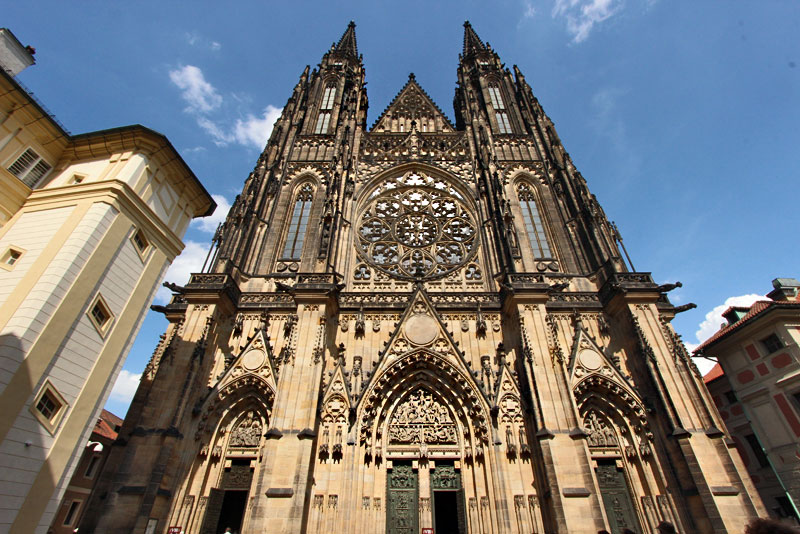
St. Vitus Cathedral is a Gothic cathedral located in the Prague Castle complex in the Czech Republic. It is the largest and most important church in the country, and is a major landmark in the city of Prague. The cathedral is dedicated to St. Vitus, the patron saint of Bohemia, and is the seat of the Archbishop of Prague.
The cathedral was founded in the 14th century by Charles IV, the Holy Roman Emperor and King of Bohemia. Construction on the cathedral began in 1344 and continued for several centuries, with additions and renovations made over time. The cathedral’s most striking feature is its towering spires and intricate stone carvings, which are characteristic of Gothic architecture.
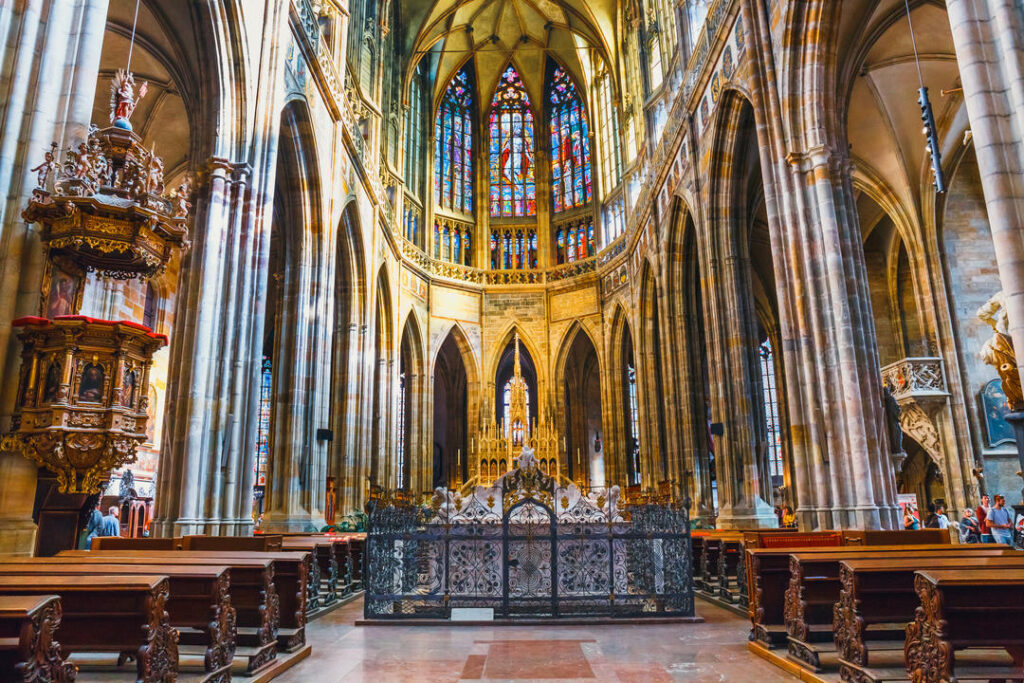
Inside the cathedral, visitors can see the coronation jewels of the Czech kings, including the St. Wenceslas Crown and the royal scepter. The Chapel of St. Wenceslas, located in the cathedral’s basement, contains the tombs of several Bohemian kings and Holy Roman Emperors. The St. Vitus Cathedral is open to visitors and can be accessed through the Old Royal Palace in the Prague Castle. The Cathedral is open to visitors every day, with different opening hours depending on the season. It’s recommended to check the official website for the schedule of the opening hours and the entry fees.
Explore the Prague Castle area
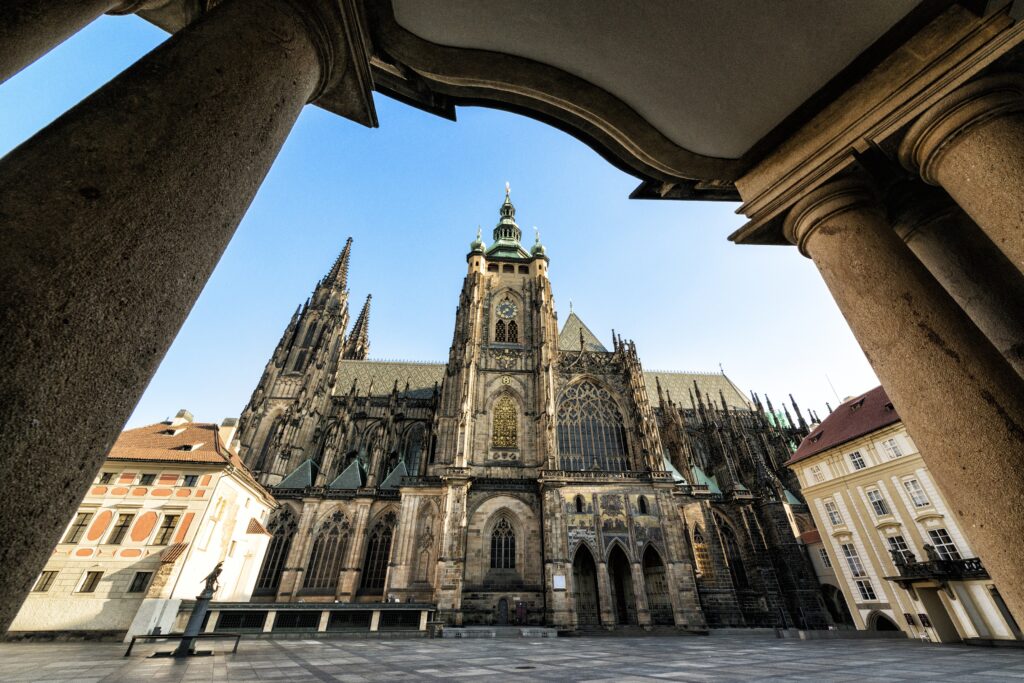
The Prague Castle is a UNESCO World Heritage Site and is one of the most popular tourist attractions in the city. Visitors can explore the castle’s courtyards, chapels, and palaces, and admire the stunning views of the city from the castle walls.
The Old Royal Palace, which dates back to the 9th century, is open to visitors and contains several historical artifacts and works of art. The castle is home to several historical buildings and structures, including St. Vitus Cathedral, the Old Royal Palace, the Golden Lane, and the Basilica of St. George.
The Castle is open to visitors every day, with different opening hours depending on the season. It’s recommended to check the official website for the schedule of the opening hours and the entry fees. The Castle is located on the Hradčany hill, it’s accessible by walking from the city center or by taking the tram number 22 or the funicular from the Újezd station.
Visit the Golden Lane
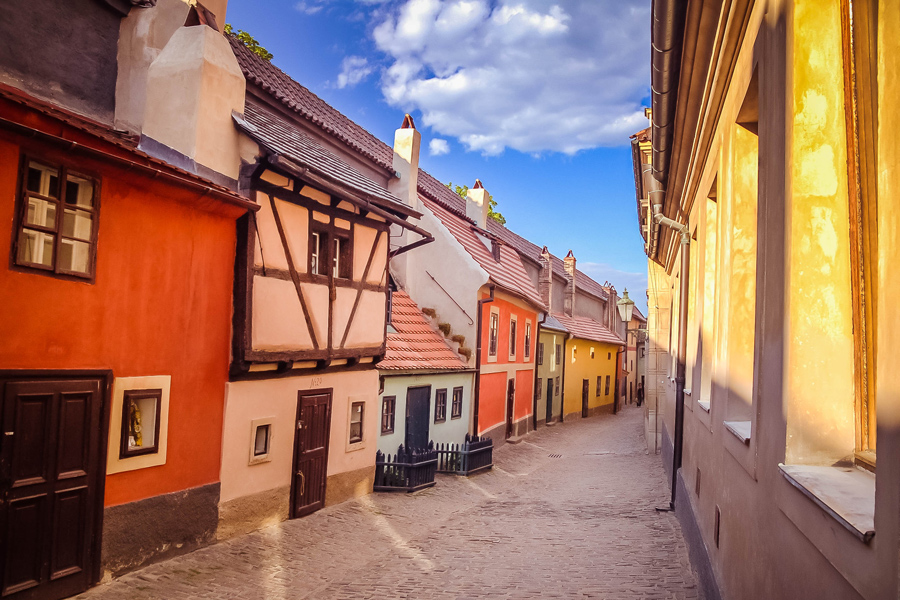
A picturesque street lined with colorful houses, offers a glimpse into the lives of medieval castle residents.
The Golden Lane (Zlatá ulička) is a small street located within the Prague Castle complex in the Czech Republic. The street is lined with colorful houses that were originally built in the 16th century for castle guards and other castle employees. Today, the houses are used as shops and museums, and offer a glimpse into the lives of medieval castle residents.
The Golden Lane is named for the goldsmiths who once lived and worked in the houses. Visitors can tour the houses and see the small workshops and living quarters. Some of the houses have been converted into museums, such as the Museum of Medieval Torture and the Museum of Alchemists, where visitors can learn about the history of the castle and the people who lived there.
The street is also known for its picturesque setting and charming atmosphere, with its small colorful houses, cobblestone streets, and beautiful views of the castle. The street is open to visitors and can be accessed through the castle gates.
The Golden Lane is a popular spot for tourists and can be quite crowded during peak season. It’s recommended to visit early in the morning or late in the evening to avoid the crowds and have a more pleasant experience. The street is open every day but with different opening hours depending on the season. It’s recommended to check the official website for the schedule of the opening hours and the entry fees.
Charles Bridge
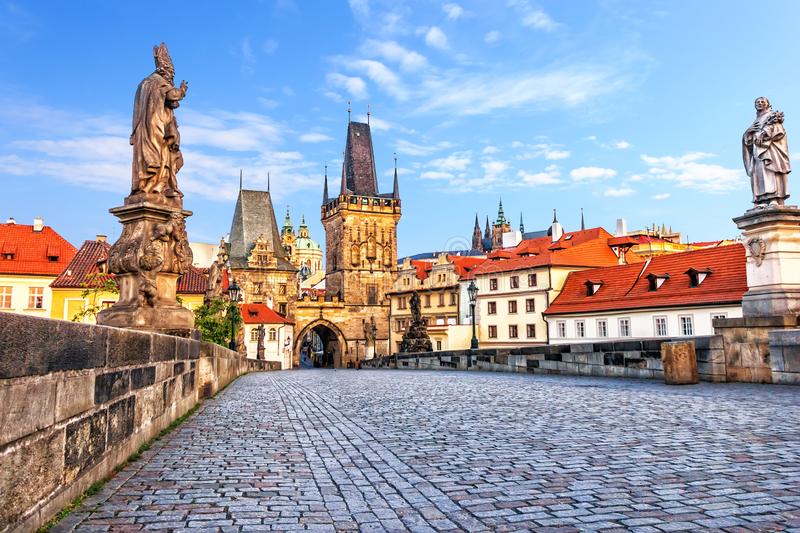
The Charles Bridge was built in the 14th century by Charles IV, the Holy Roman Emperor and King of Bohemia, and was completed in the 15th century. The bridge is made of sandstone and is 621 meters long and 10 meters wide. It is decorated with 30 Baroque statues, most of them made by the famous Czech sculptor Matthias Braun in the 18th century.
The Charles Bridge is a popular spot for tourists and locals alike, and it’s a great place to take a walk and enjoy views of the city. The bridge is open to pedestrians and is closed to vehicles, so it’s a great place to walk around and take in the sights and sounds of the city.
It’s recommended to visit the bridge early in the morning or late in the evening to avoid the crowds and have a more pleasant experience. The bridge is open 24 hours a day, but the statues and souvenir vendors are only open during the day.
See the Powder Gate Tower
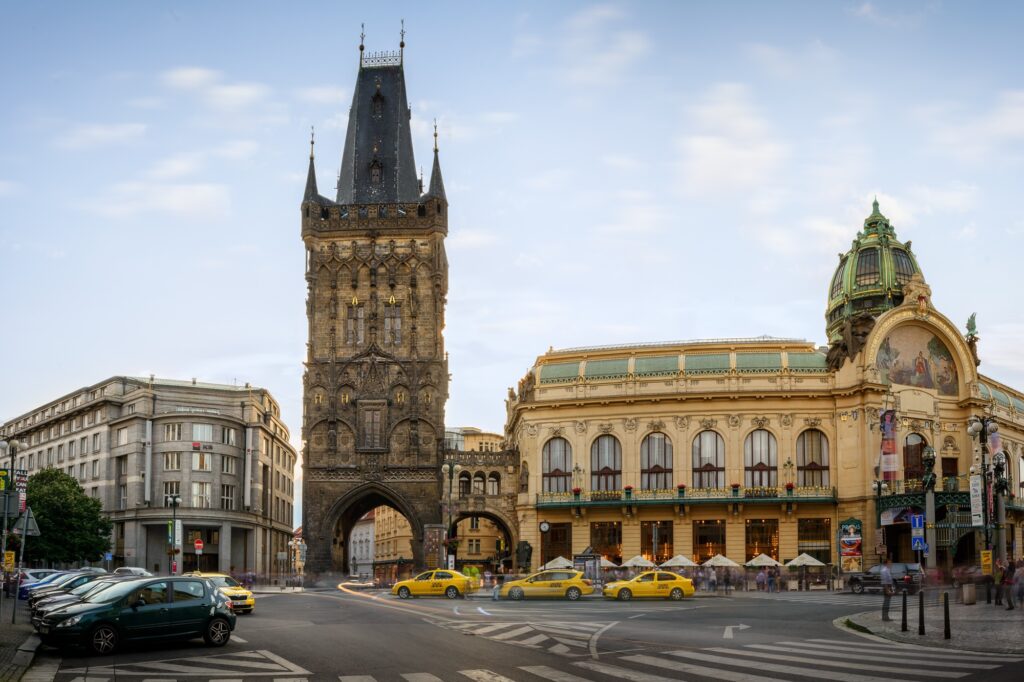
Powder Gate Tower was built in the 14th century as a part of the fortifications surrounding the Old Town of Prague. The tower was originally part of the city’s defensive walls, which were built to protect the city from invaders. The tower is approximately 60 feet tall and is made of stone and brick. It is one of the remaining towers of the original fortifications and is considered to be one of the most well-preserved Gothic towers in Prague.
The tower has undergone several renovations and restorations throughout its history. In the 17th century, the tower was converted into a powder magazine, which is where it gets its name. The tower was used to store gunpowder, which was used to defend the city in case of attack.
Today, the Powder Gate Tower is open to the public and offers visitors the opportunity to climb to the top of the tower and enjoy panoramic views of the Old Town of Prague and the surrounding area. Visitors can also learn about the tower’s history and its role in the city’s fortifications.
Old Town Square
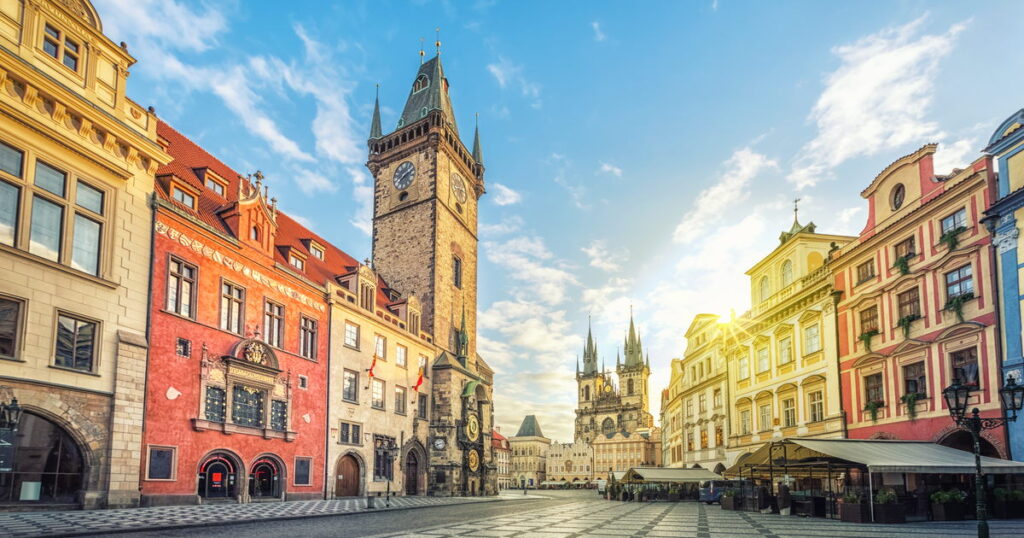
he Old Town of Prague is a historical district located in the heart of the city. It is one of the most popular tourist destinations in Prague and is known for its well-preserved medieval architecture, rich history, and numerous landmarks and cultural sites.
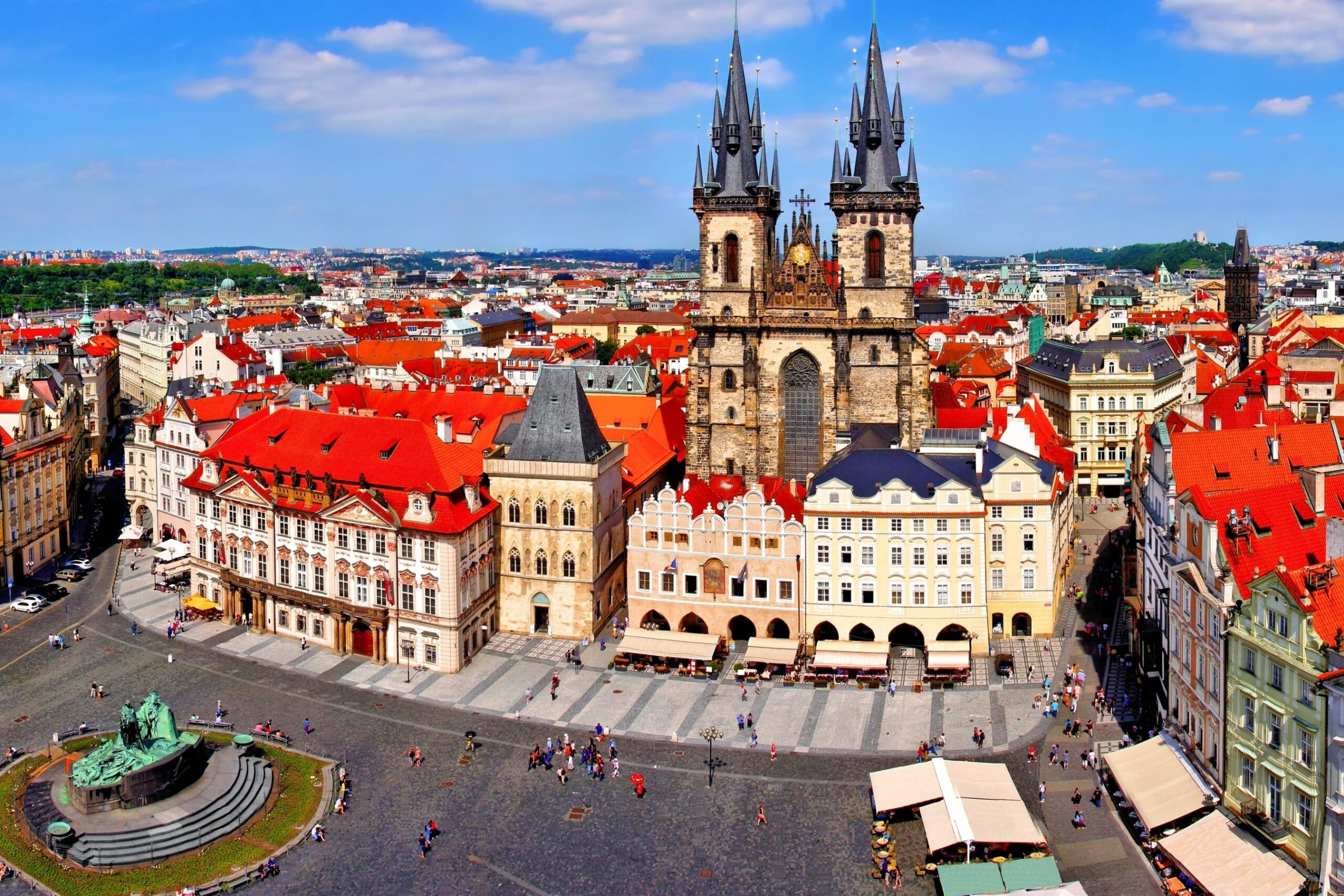
The Old Town is divided into two main areas: the Old Town Square and the Lesser Town. The Old Town Square is the central hub of the Old Town and is surrounded by colorful buildings and historic monuments, such as the Gothic Church of Our Lady before Týn and the Baroque St. Nicholas Church. The Astronomical Clock, located on the Old Town Hall, is a famous medieval clock that dates back to the 15th century and is a popular attraction for visitors. The Charles Bridge, built in the 14th century, is a beautiful and iconic landmark that spans the Vltava River and connects the Old Town to the Lesser Town.
Prague Astronomical Clock
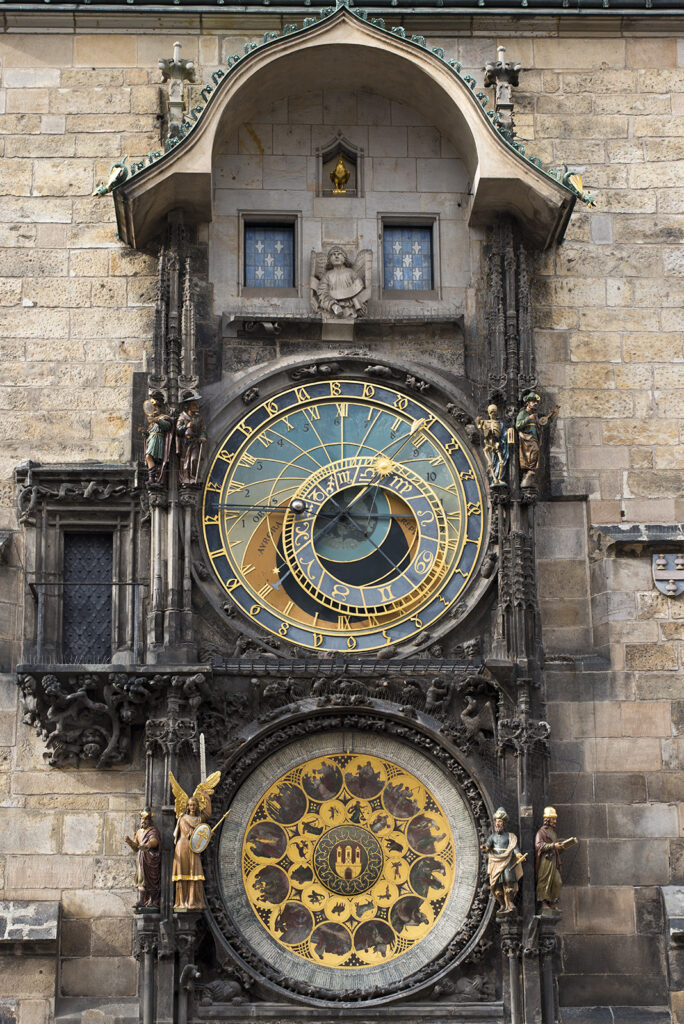
The Prague Astronomical Clock, also known as the Orloj, is a medieval clock located on the Old Town Hall in the Old Town of Prague, Czech Republic. It is one of the city’s most famous landmarks and a popular tourist attraction.
The clock was first installed in 1410 and is considered to be one of the oldest astronomical clocks in the world that is still functioning. The clock has three main components: the astronomical dial, which displays the positions of the sun and moon in the sky, the calendar dial, which displays the current date, and the clock face, which displays the time.
The clock is also known for its hourly show, where figures representing the Apostles and other figures from Christian mythology appear on the clock face. The clock also features a crowing rooster, which crows every hour.
3 day itinerary : day 2
Wenceslas Square and the national museum, Vrtba garden, Lennon wall, St. Nicholas Church , The Jewish Quarter
The national museum and Wenceslas Square
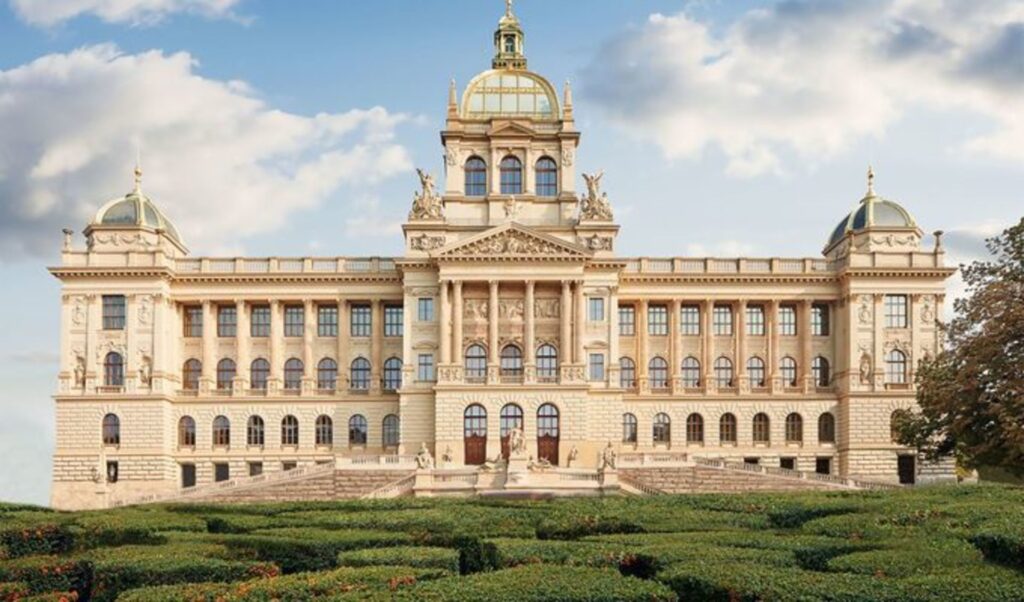
e National Museum in Prague is the Czech Republic’s largest museum and is located on Wenceslas Square in the New Town of Prague. The museum was founded in 1818 and is dedicated to the preservation and display of the country’s natural and cultural heritage. The museum’s collection includes over 14 million items, spanning from natural history, ethnography, numismatics, archaeology and more.
The museum is housed in a grand neo-Renaissance building that was completed in 1891, and it’s a beautiful architectural landmark in its own right. The permanent exhibitions are spread over several floors and include everything from ancient Egyptian artifacts to prehistoric fossils and a collection of minerals and gems. The museum also hosts temporary exhibitions and events throughout the year.
Wenceslas Square, on the other hand, is a historical square located in the New Town of Prague. It is one of the city’s main shopping and cultural centers and is also home to several important landmarks, such as the National Museum, the National Theater, and the St. Wenceslas Statue. The square is named after Saint Wenceslas, the patron saint of the Czech Republic, and it has a long history, dating back to the 14th century.
The National Museum and Wenceslas Square are two of the most important cultural and historical landmarks in Prague, and they offer visitors a glimpse into the city’s rich history and heritage.
Vrtbovská zahrada (Vrtba Garden )
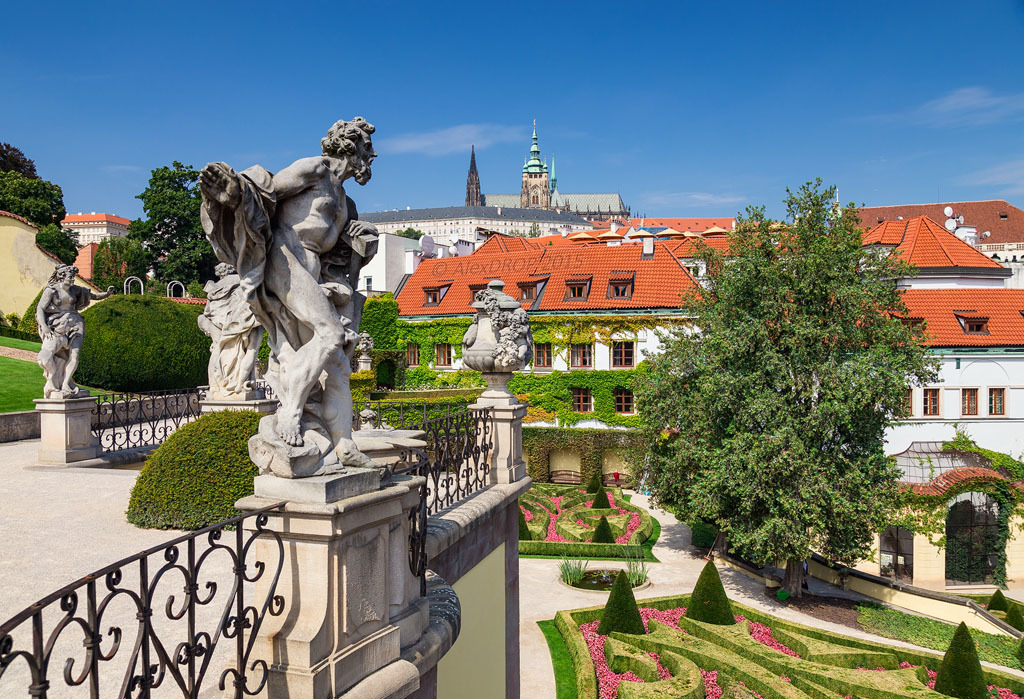
Vrtbovská zahrada is located on the slope of Petřín Hill in the Malá Strana district of Prague. The garden was originally built in the early 18th century for the noble Vrtba family, who were prominent members of Prague society at the time. The garden’s design is attributed to Jan František Schor, a prominent architect and garden designer of the Baroque period.
One of the most striking features of the garden is its terraced layout, which allows for a variety of different spaces to be created at different levels. The garden is divided into several sections, including a parterre, a rose garden, and a grotto. It is also home to a number of sculptures and fountains, including a large fountain at the top of the garden that is said to symbolize the four seasons.
The garden is considered a masterpiece of Baroque garden design, and is one of the few surviving examples of this style in Prague. It is a popular destination for tourists, who come to admire the garden’s intricate layout, sculptures, and fountains.
LENNON WALL
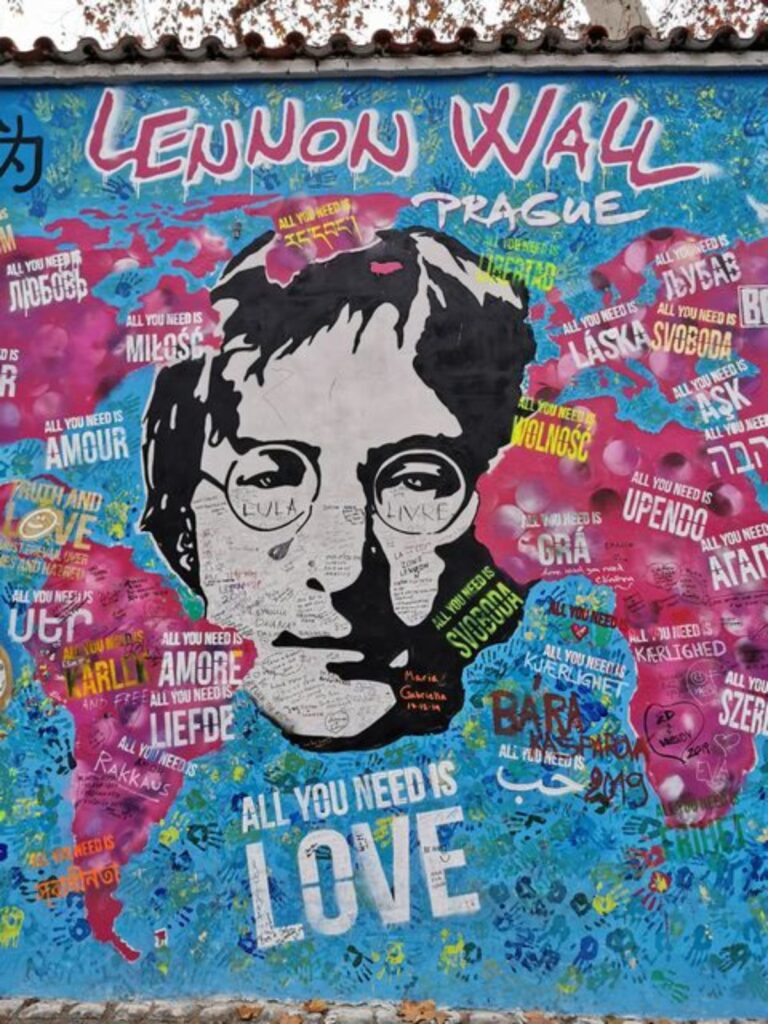
The wall got its name in the 1980s, during the communist era, when Czech youth began writing anti-government slogans and lyrics from Lennon’s songs on it. The wall then became a symbol of freedom, peace, and love for the young generation and as a form of protest against the oppressive regime. After the Velvet Revolution of 1989, which saw the end of communism in Czechoslovakia, the wall continued to be a popular spot for people to express themselves through graffiti and art.
The Lennon Wall is now a colorful and ever-changing canvas of graffiti, artworks, and messages, as well as a place where people come to take photos, pay their respects to Lennon, or simply admire the art. However, it is important to note that it is illegal to write on the wall and the local authorities clean the wall frequently.
St. Nicholas Church
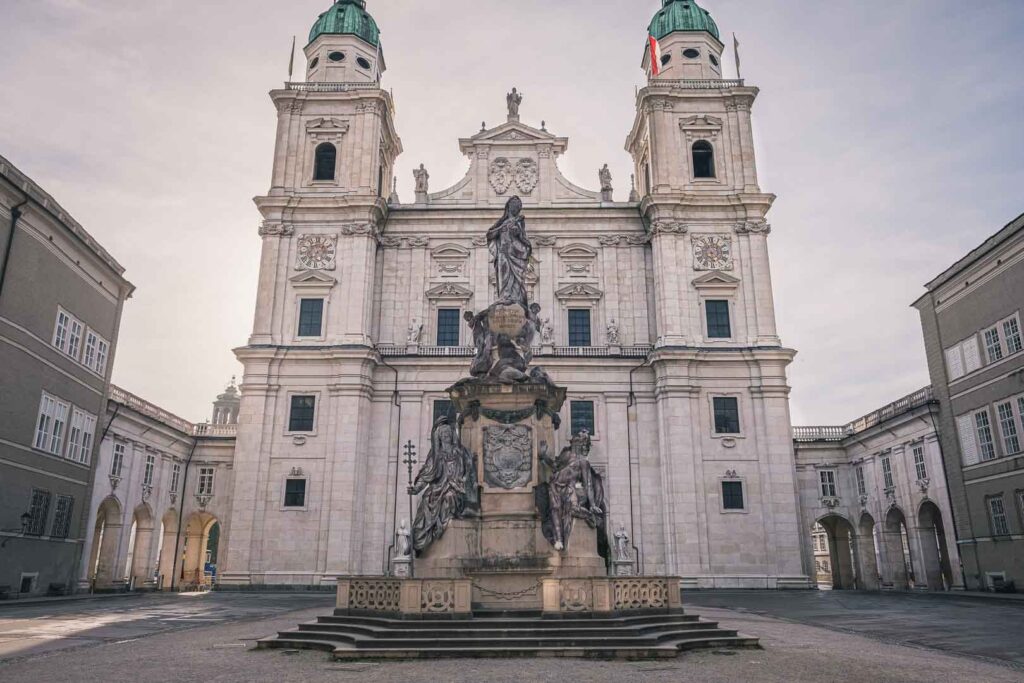
St. Nicholas Church, also known as the Church of St. Nicholas the Lesser, is a Baroque-style church located in the Lesser Town (Malá Strana) neighborhood of Prague, Czech Republic. It is one of the most important Baroque churches in the city and is known for its impressive architecture and beautiful frescoes.
The church was built in the early 18th century by the architect Kilián Ignác Dientzenhofer, and is considered one of his most important works. The church features a distinctive cupola, a grand entrance with a pediment, and a beautiful altar with statues. The interior of the church is adorned with frescoes by Jan Jiří Heinsch and Jan Kryštof Handke, depicting scenes from the life of St. Nicholas.
The Jewish Quarter
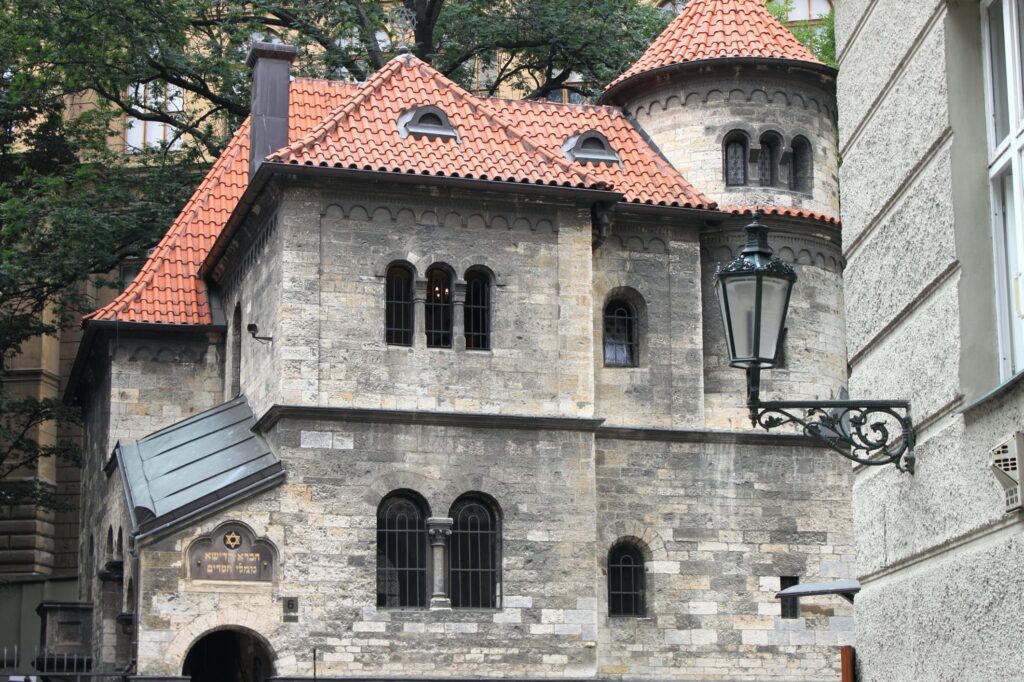
The Jewish Quarter, also known as Josefov, is a neighborhood located in the Old Town of Prague, Czech Republic. It is one of the best-preserved Jewish ghettos in Europe and is home to a number of historic synagogues, the Old Jewish Cemetery, and the Jewish Museum in Prague.
The Jewish Quarter has a rich history, dating back to the 10th century when the first Jewish community settled in the area. The community continued to grow over the centuries and by the 18th century, the neighborhood was home to one of the most important Jewish communities in Europe. However, during World War II, most of the Jewish residents were deported to concentration camps and the Jewish Quarter was left abandoned. The Jewish Quarter, is dedicated to preserving the history and culture of the Jewish community in Prague and offers visitors a glimpse into the rich history of the Jewish people in the city.
3 day itinerary : day 3
Dancing house, Vltava river cruise, Crawling babies at Kampa park
The Dancing house
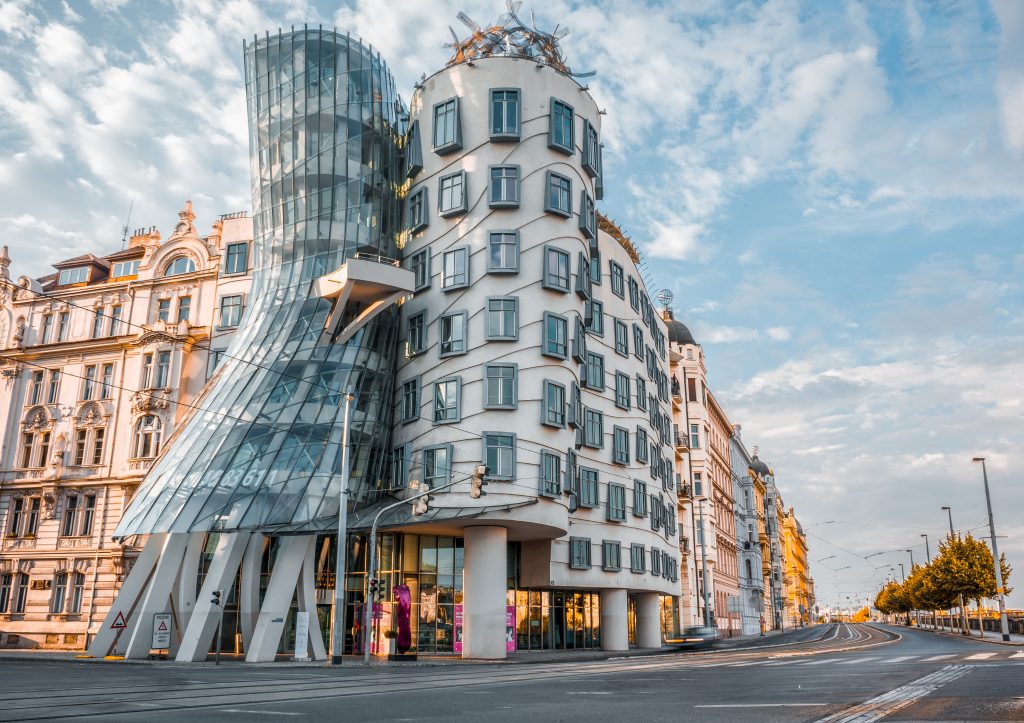
The Dancing House, also known as the Fred and Ginger Building, is a modern architectural landmark located in the Nove Mesto (New Town) district of Prague, Czech Republic. It was built in 1996 by architects Vlado Milunic and Frank Gehry, and is known for its distinctive design that resembles a couple dancing.
The building is made up of two towers, one in the shape of a man and the other in the shape of a woman, that are connected by a curved glass structure. The building is made of glass, steel, and concrete and it stands out among the historic buildings in the area. The building is also equipped with several terraces and a rooftop restaurant that offers panoramic views of the city.
The Crawling Babies at Kampa Park
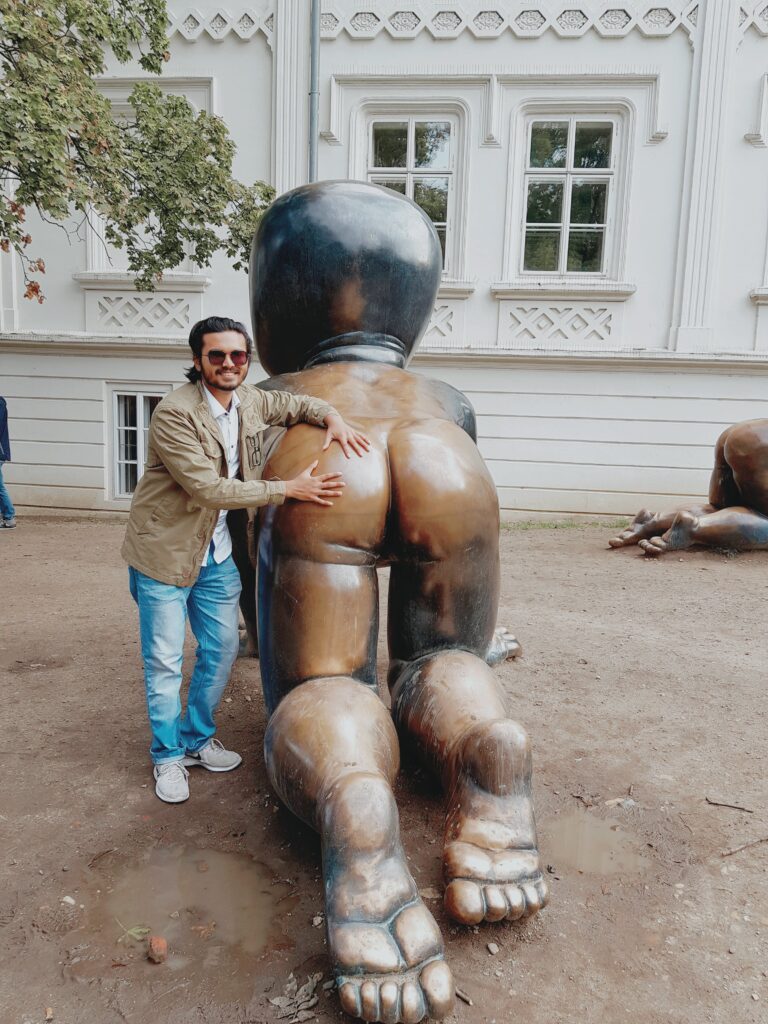
The Crawling Babies, also known as the “Crawling Infants” or “Crawling Children,” is a sculpture located in Kampa Park in Prague, Czech Republic. It is a bronze sculpture by the famous Czech artist David Cerny, which depicts a group of babies crawling in different directions.
The sculpture, which is located in the park’s lower terrace, is made up of ten bronze babies, each measuring about 1.5 meters (5 feet) in length. The babies are crawling in different directions, and their expressions are different from one another, some of them crying, others laughing. The babies are placed on a large metal plate and they appear to be crawling out of the plate.
TAKE A VLTAVA RIVER CRUISE
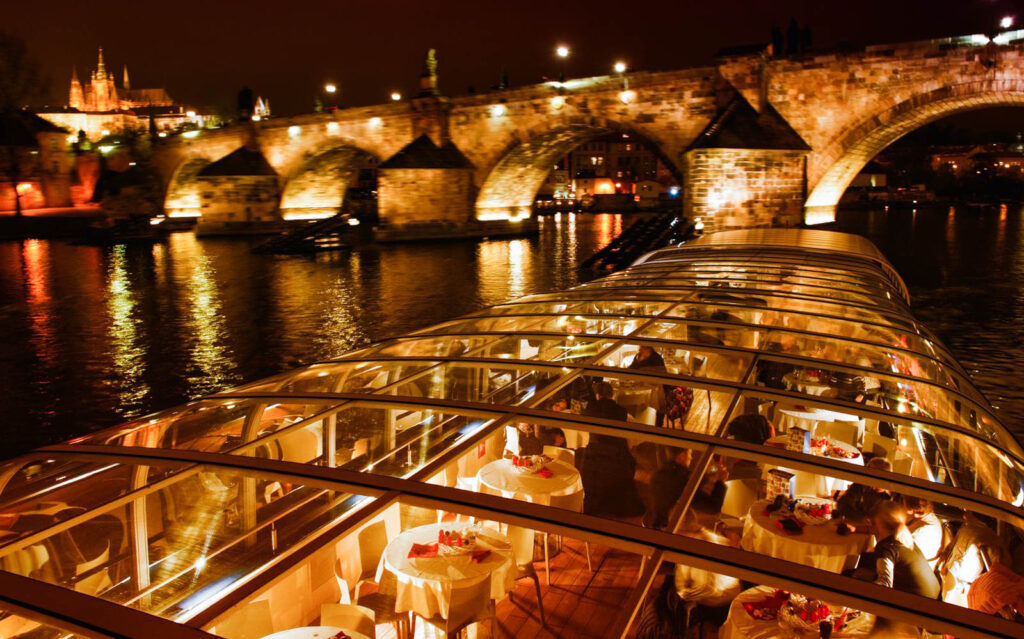
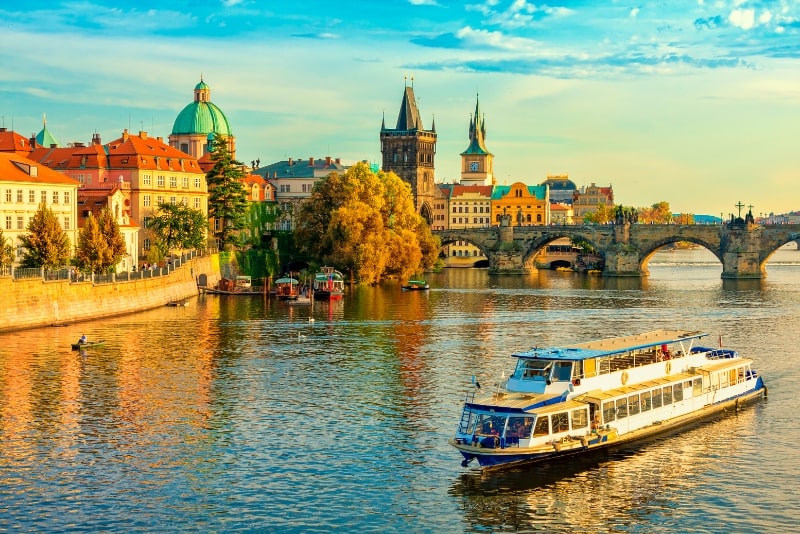
A Vltava River cruise is a popular way to explore the city of Prague, Czech Republic. The Vltava River runs through the heart of Prague and offers visitors a unique perspective on the city’s famous landmarks and architecture.
Cruises typically depart from several locations along the river, including the Charles Bridge, and take you on a journey along the Vltava, passing by some of the city’s most iconic sights such as the Prague Castle, Old Town, and the Lesser Town. Some cruises also offer an audio guide in different languages, providing information about the history and architecture of the buildings along the way.
Cruises usually take around 1 hour, and you can choose from various options such as day or night cruises, dinner cruises, and live music cruises. It’s a wonderful way to relax and enjoy the beautiful views of the city while taking a break from walking.