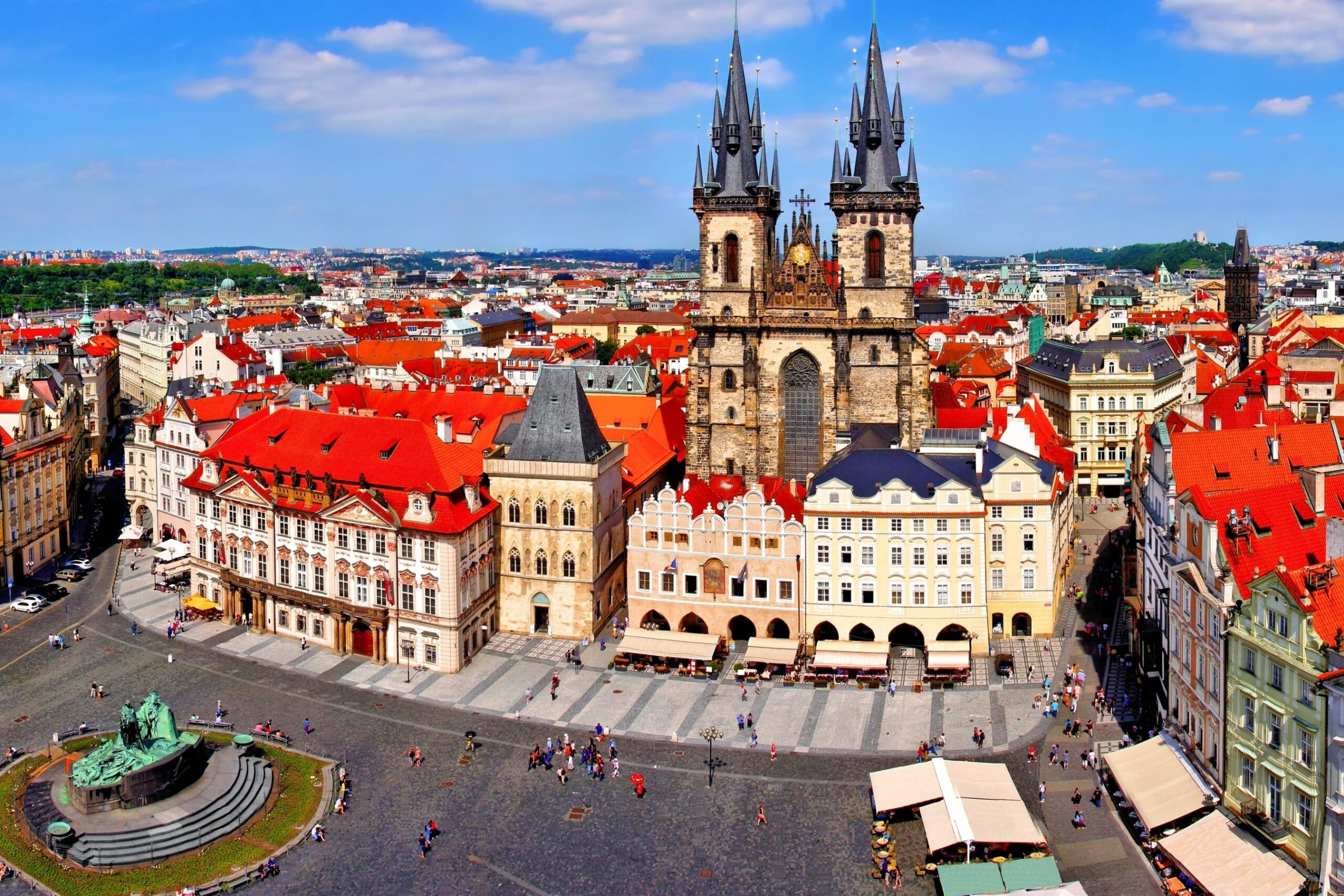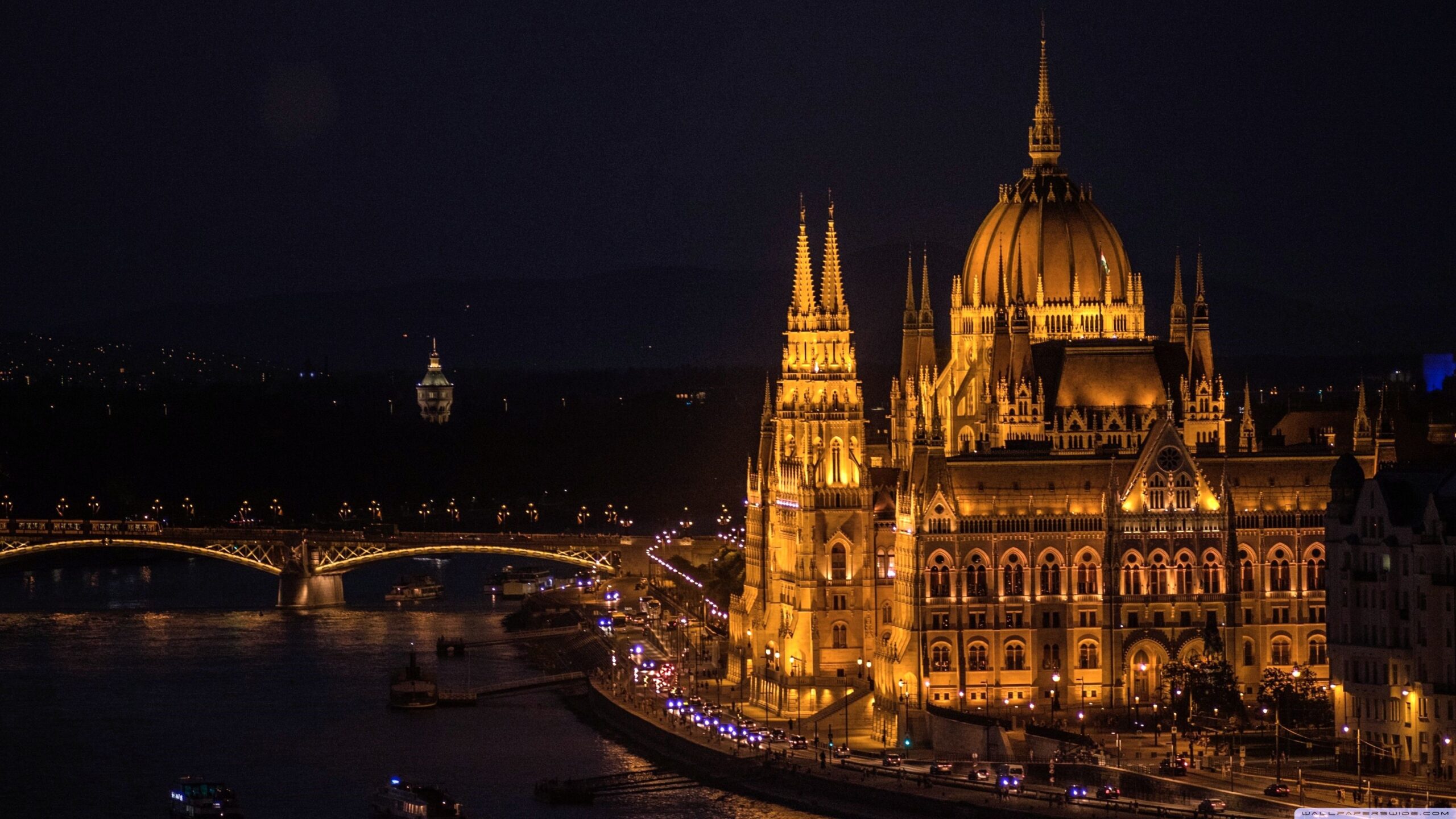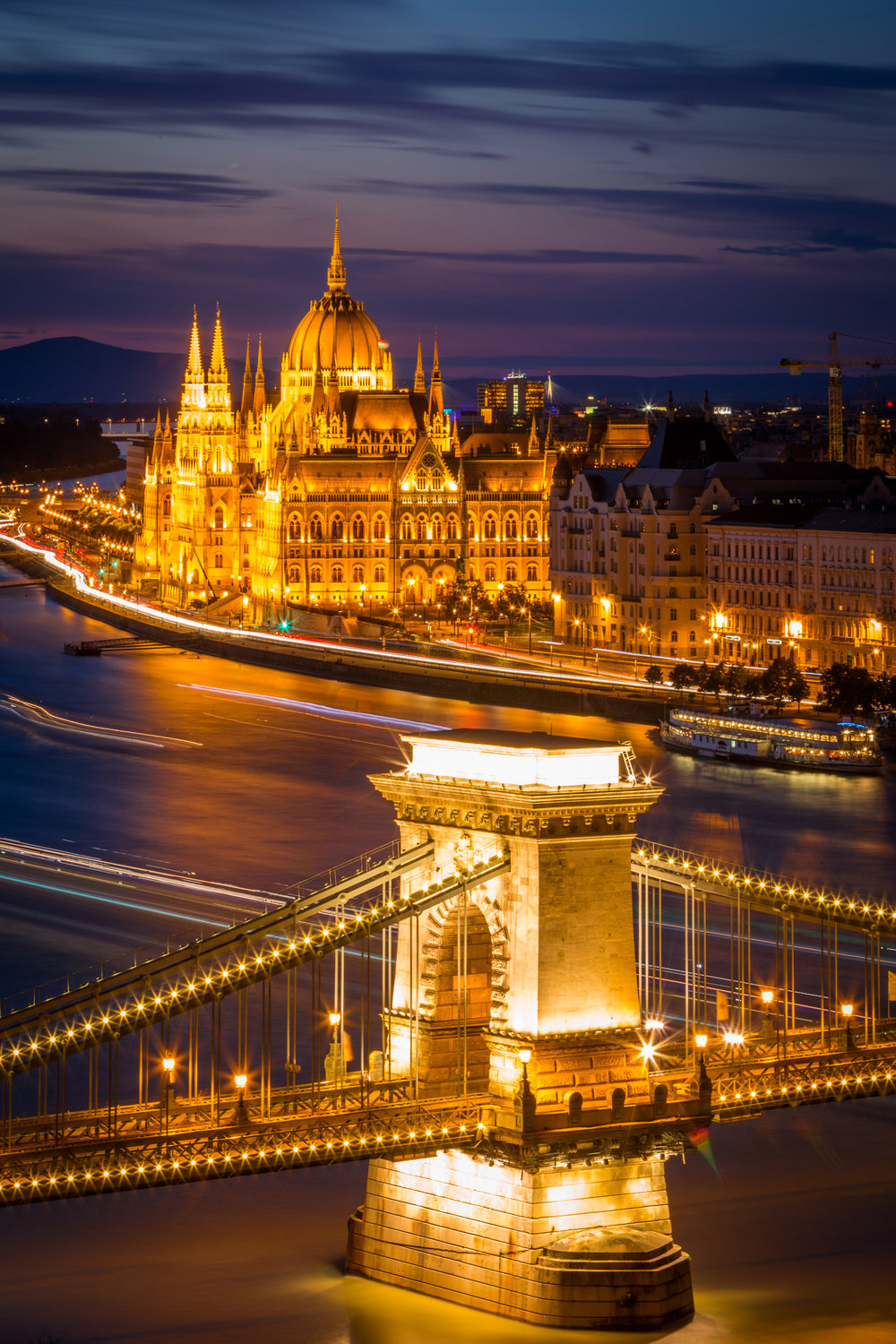
Budapest is one of the most picturesque capitals in Europe a popular tourist destination. It located in the northwest of the country along the Danube River. The city is known for its thermal baths, historic architecture, and vibrant nightlife. Some of the most famous landmarks in Budapest include the Buda Castle, the Hungarian Parliament Building, and the Széchenyi thermal bath. The city is also home to several museums and art galleries, including the Hungarian National Museum and the Museum of Fine Arts. Additionally, Budapest is renowned for its delicious cuisine, which features a mix of traditional Hungarian dishes and international flavors. Overall, Budapest is a beautiful and culturally rich city with a lot to offer visitors.
How to get to Budapest
There are several ways to get to Budapest, Hungary, depending on your location and preferred mode of transportation.
- By plane: Budapest Ferenc Liszt International Airport (BUD) is the main airport in the city, and it offers flights to and from destinations all over the world. Many major airlines operate flights to Budapest, including Lufthansa, Air France, and British Airways.
- By train: Budapest is well-connected to other cities in Europe by train. The city has two main train stations, Keleti and Nyugati, which offer connections to cities like Vienna, Prague, and Zurich.
- By bus: There are several bus companies that operate regular services to and from Budapest, connecting the city to other parts of Europe. Flixbus tickes
Getting around Budapest
- By public transportation: Budapest has an extensive public transportation system that includes buses, trams, and metro lines. The city also has a network of bike-sharing stations, which can be a convenient and environmentally-friendly way to get around. Tickets can be purchased at ticket machines with cash or a credit card. A 24-hour ticket with unlimited travel for 1,650 HUF (€4.60) is your best bet.
- By taxi: Taxis are readily available in Budapest, and they can be a convenient way to get around, especially if you’re traveling with a group or have a lot of luggage. However, be sure to use only official taxis, and not private cars, as those are not licensed and may overcharge.
- By car: You can rent a car to get around Budapest, but keep in mind that parking can be difficult in the city center and traffic can be heavy.
- By foot: Many of the main sights and attractions in Budapest are located in the city center, which makes it easy to explore on foot. Walking around the city can be a great way to experience the local culture and atmosphere.
Best time to visit Budapest
Spring is a particularly lovely time to visit Budapest as the city comes alive with vibrant colors as the trees and flowers begin to bloom. The weather during this time is generally mild with temperatures ranging from the low 50s to the mid-60s. This season is also known for the Cherry Blossom Festival which is held in April-May and is celebrated by locals and tourists alike.
Fall is another great time to visit as the city’s parks and gardens are ablaze with autumn colors. The weather during this time is comfortable with temperatures ranging from the mid-50s to the low 60s. The fall is also a great time to visit as many of the tourist crowds have dissipated and it’s a great chance to experience the city in a more relaxed way.
Summer is the peak tourist season, and it can be quite hot and crowded, with temperatures often reaching into the high 80s and 90s. However, if you’re looking to enjoy Budapest’s many outdoor activities, such as swimming and sunbathing in the city’s famous thermal baths, this is the best time to visit.
Winter can be quite cold and gray, with temperatures ranging from the low 30s to the low 40s. However, if you’re looking to experience the city’s Christmas markets and enjoy the festive atmosphere, then this is the best time to visit.
Budapest itinerary – day 1
Fisherman bastion, St Matthias Church, Buda castle, Liberty bridge, St Stephen’s Basilica,
Fisherman Bastion
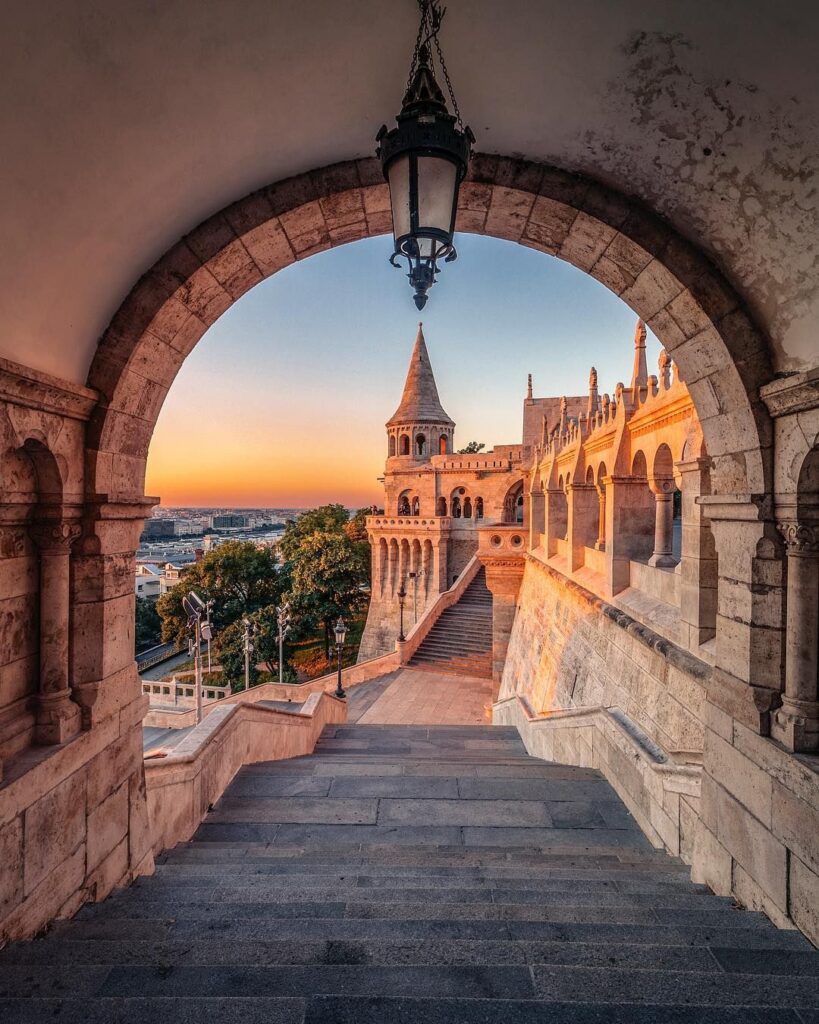
Start your day with this beautiful view of Iconic Fisherman bastion. Most visitors go to Fisherman’s Bastion for a panoramic view of the city. Its terrace is unique in that it is decorated with turrets and archways that make it appear to be from a fairy tale. situated on the Buda bank of the Danube, on the Castle Hill. It was designed and built between 1895 and 1902, it is a viewing terrace, which offers panoramic views of the Danube, the Pest side of the city and the surrounding hills. It is a popular tourist spot in Budapest and considered as one of the most beautiful landmarks of the city. The terrace is also known for its ornate neo-Gothic and neo-Romanesque architectural style.
St Matthias Church
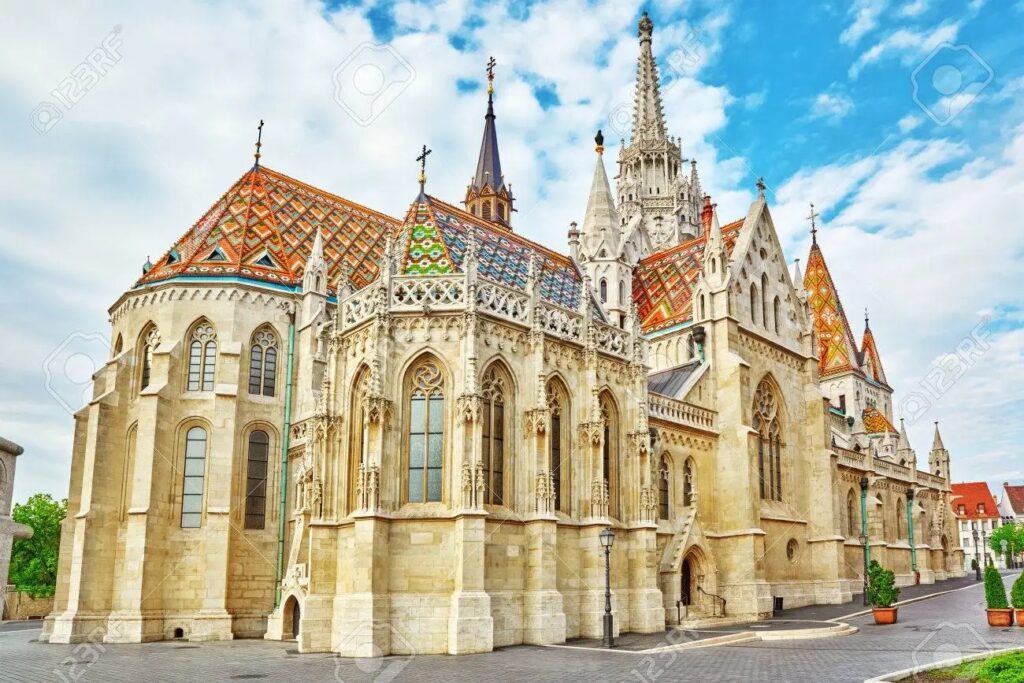
Just on the opposite site you will find the Matthias Church which is a Roman Catholic church located in Budapest, Hungary. It is situated on the Castle Hill in Buda, in the heart of the historic old town. The church is named after King Matthias Corvinus of Hungary, who reigned from 1458 to 1490. The church has a long history, dating back to the 12th century. The current building is a mixture of architectural styles, including Gothic and Baroque elements. It is known for its ornate decoration, including colorful frescoes, intricate stone carvings, and a magnificent stained-glass window. The church also features the coronation site of several Hungarian kings and queens, and it’s a popular tourist destination.
Buda castle
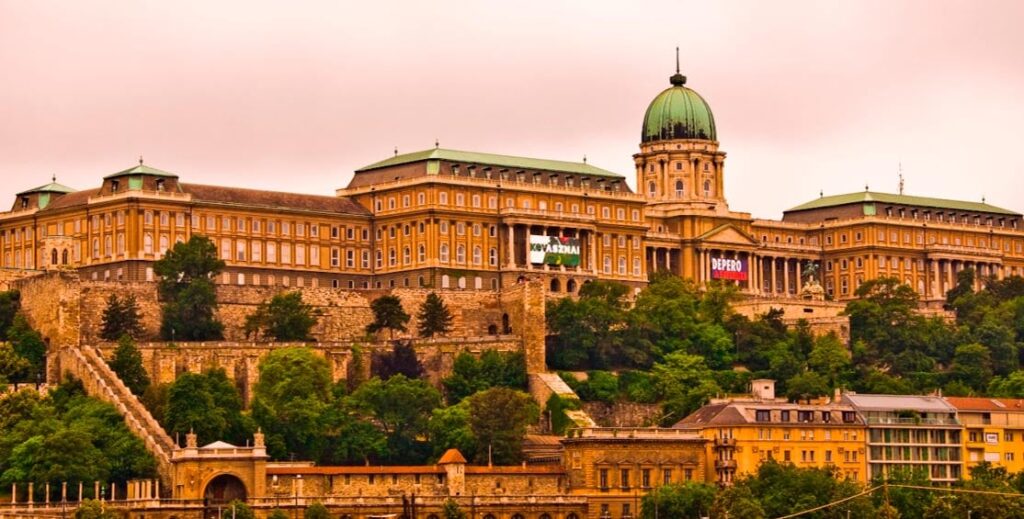
From Matthias Church go to the historic castle and palace complex in Budapest, Buda Castle. It is located on the southern tip of Castle Hill, overlooking the Danube River. The castle has a long history, dating back to the 13th century, and has been rebuilt and expanded several times over the centuries. The current palace, which was built in the 18th and 19th centuries, is a mix of Baroque and Neoclassical architectural styles.
Inside the palace, visitors can find several museums and art galleries, including the Hungarian National Gallery and the Budapest History Museum. The palace also has a beautiful terrace with panoramic views of the city. The castle is a UNESCO World Heritage site and is a popular tourist destination, known for its historical and architectural significance.
Liberty Bridge
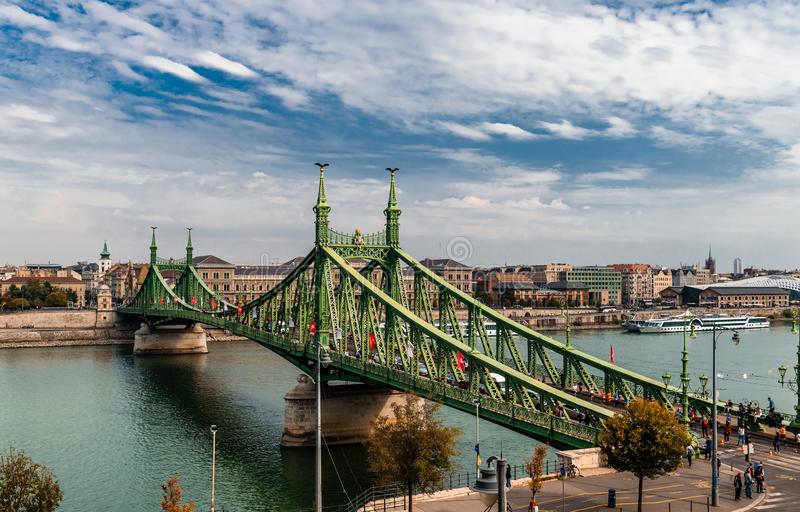
After exploring Buda castle, head to Liberty Bridge. The Szabadság híd (Liberty Bridge) is a bridge in Budapest, Hungary that spans the River Danube between Buda and Pest. It is the third southernmost public road bridge in Budapest, located at the southern end of the City Centre. The bridge was designed by János Feketeházy and built between 1894 and 1896, it was the first permanent bridge in the city after decades of temporary structures.
The Liberty Bridge is a steel truss bridge with a total length of 375 meters (1,230 ft) and a width of 24 meters (79 ft). It has a unique and elegant design that features four lion statues at each of its four pylons. The bridge is one of the most picturesque in Budapest and it offers great views of the city, the river, and the surrounding hills. The bridge is a popular spot for tourists and locals alike, and it is also a popular spot for events and festivals.
St Stephen’s Basilica
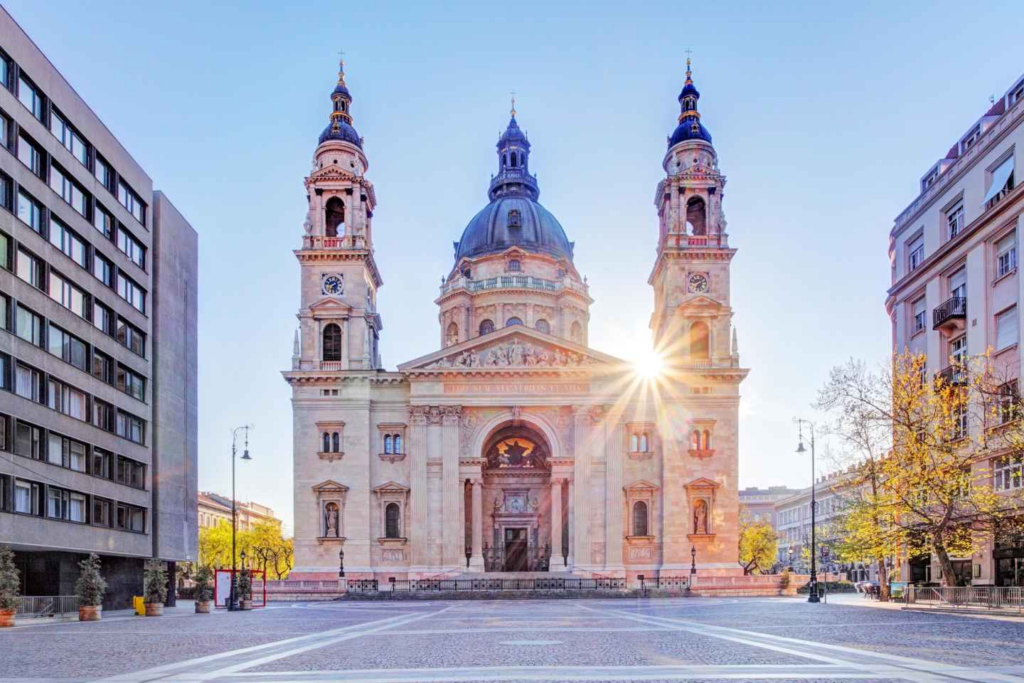
St. Stephen’s Basilica is a Roman Catholic basilica in Budapest, Hungary. It is named after the first King of Hungary, Saint Stephen, whose right hand relic is housed in the basilica. The basilica was built between 1851 and 1905 in a neoclassical style, it is one of the tallest buildings in Budapest and can hold up to 8,500 people.
The basilica is known for its impressive dome, which provides great views of the city from the top. Inside, visitors can see several artworks and sculptures, including a large painting of St. Stephen, the patron saint of Hungary. The basilica also houses the Hungarian Holy Right relic, which is the most important relic of Hungary and it’s displayed in a special chapel.
Budapest itinerary – day 2
Hungarian Parliament, Shoes on the Danube, Central Market Hall, Budapest Bath House, Heroes Square and Vajdahunyad castle
Hungarian Parliament
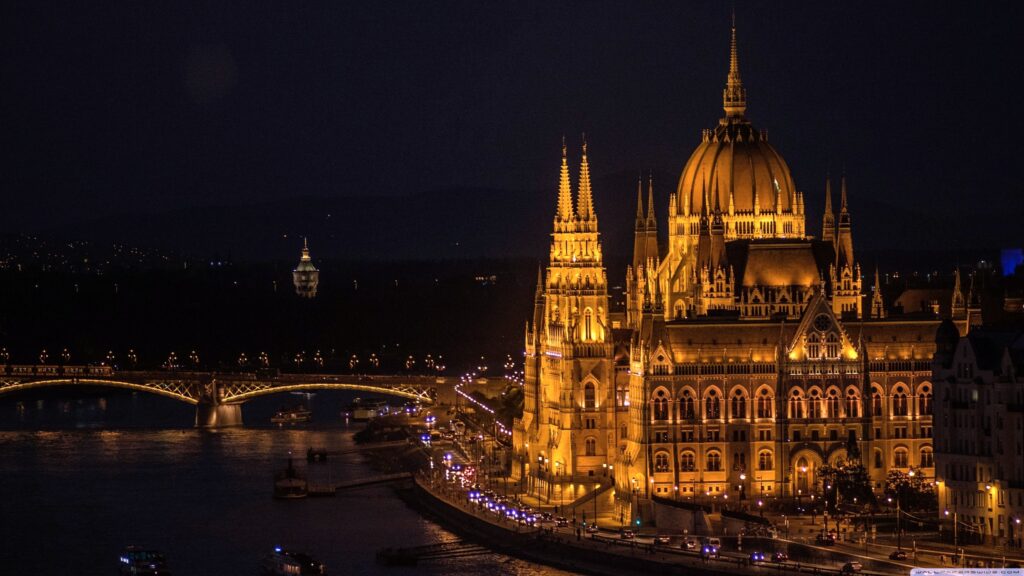
Start the second day with the most unique architechture of Hungary, The Hungarian Parliament Building. This gorgeous building is one of my favorites. It is the seat of the National Assembly of Hungary, located in Budapest. It is the largest building in Hungary and one of the oldest legislative buildings in Europe. The Parliament Building was designed in a Gothic Revival style by Imre Steindl, it was built between 1885 and 1904.
The building is 268 meters (879 ft) long and 123 meters (404 ft) wide, with a 96-meter (315 ft) high central dome. It is decorated with a large number of statues and reliefs, including the famous statue of the Hungarian king, Saint Stephen. Inside, visitors can see the impressive main staircase, the historic House of Representatives, and the impressive Crown of St. Stephen. It is also possible to visit the Hungarian Holy Crown, which is kept in the central dome. It is a popular tourist destination and it is also an important symbol of Hungarian national identity.
Shoes on the Danube
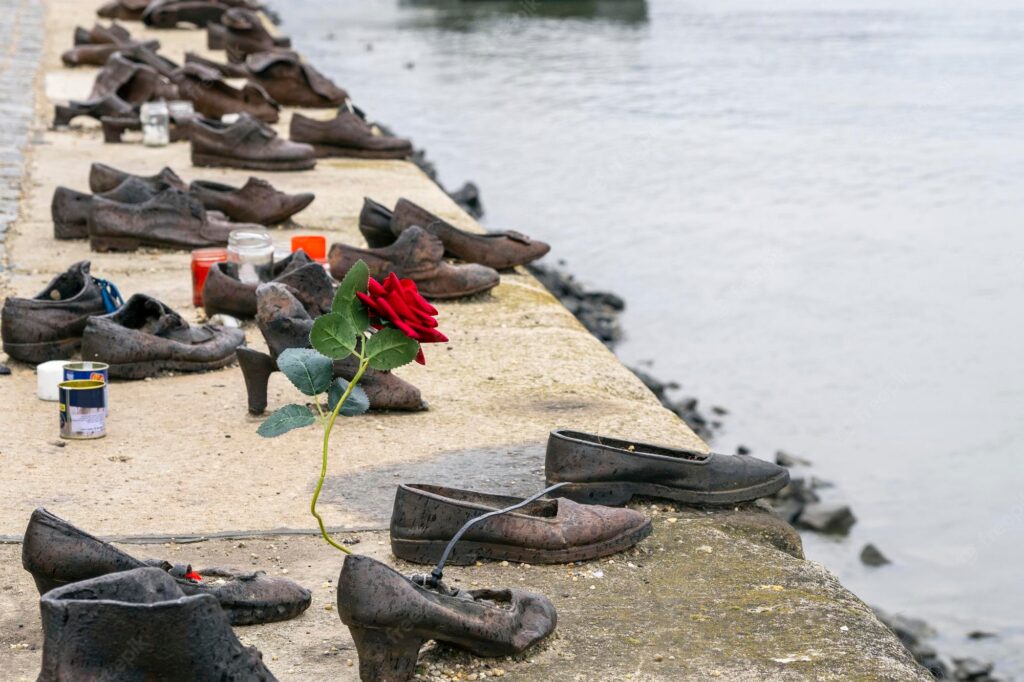
The Shoes on the Danube monument in Budapest, Hungary is a memorial to the Jewish victims of the Holocaust who were shot by fascist Arrow Cross militiamen and thrown into the Danube River during World War II. The monument, designed by Can Togay and Gyula Pauer, consists of 60 pairs of iron shoes lined up along the riverbank, representing the victims who were forced to take off their shoes before being shot. The memorial serves as a powerful reminder of the atrocities committed during the Holocaust and serves as a reminder of the importance of tolerance and respect for human rights.
Central Market Hall
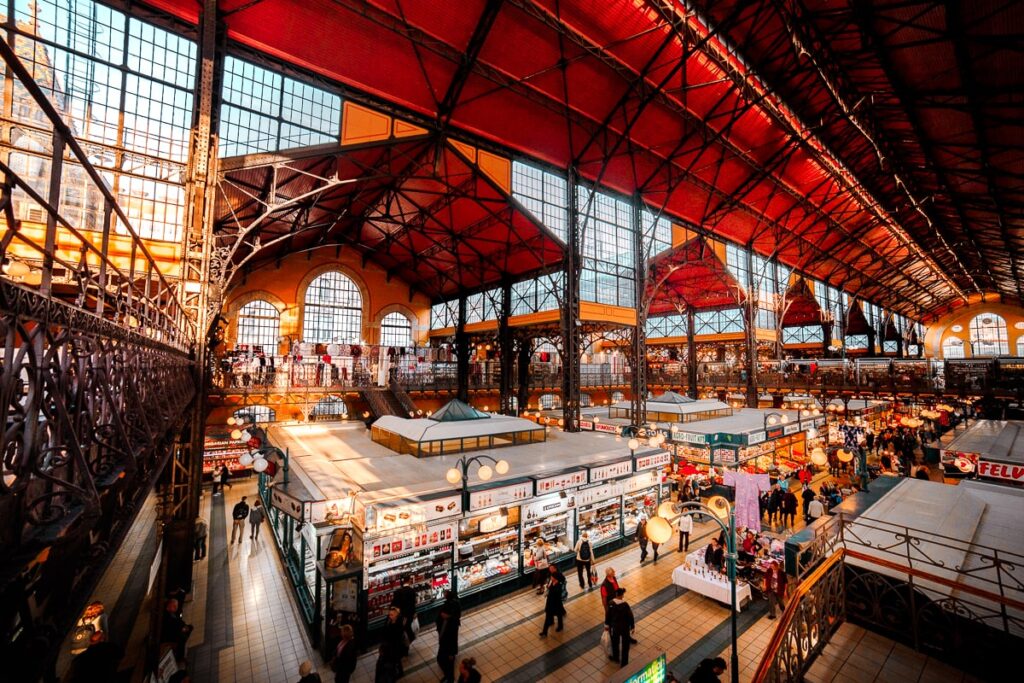
The Central Market Hall (also known as the Great Market Hall or Nagyvásárcsarnok in Hungarian) is a large indoor market located in the heart of Budapest, Hungary. The market, which was built in 1897, is one of the oldest and largest indoor markets in Europe. It features three levels, with the ground floor selling fresh produce such as fruits, vegetables, meats, and cheeses, the first floor selling souvenirs, traditional Hungarian crafts, and textiles, and the basement level housing various street food vendors. The Central Market Hall is a popular tourist destination, as well as a favorite spot for locals to shop for groceries and sample traditional Hungarian foods.
Budapest Bath House
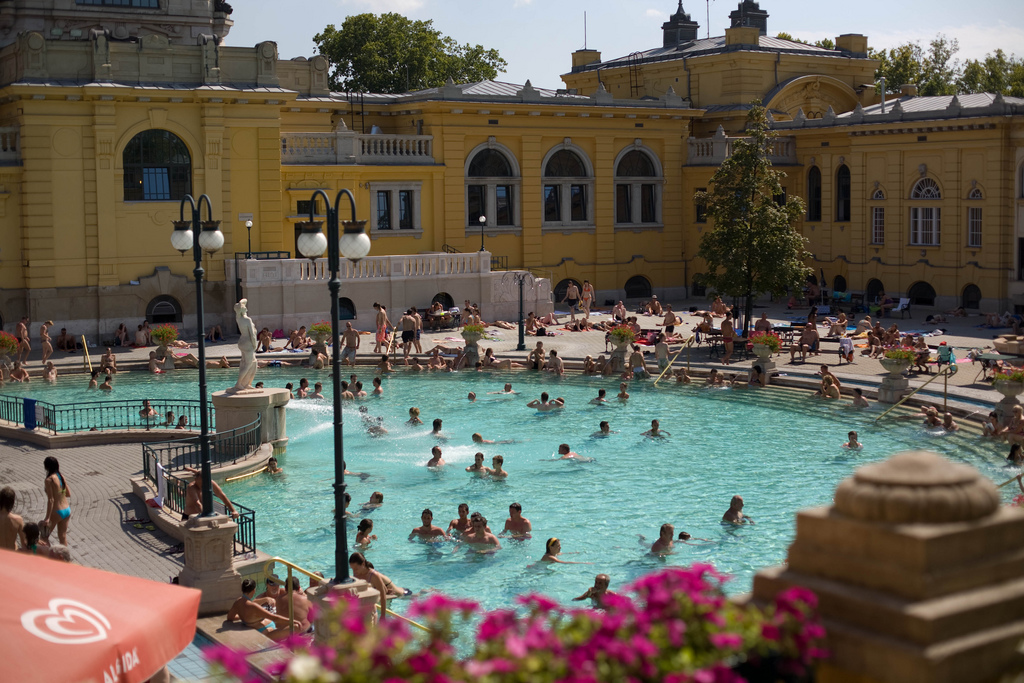
Budapest is famous for its thermal baths, which have been used for centuries for their therapeutic properties. Some of the most famous and popular bath houses in Budapest include:
- Széchenyi Bath: The largest thermal bath in Budapest, located in City Park. It features 15 indoor and 3 outdoor pools, as well as saunas and steam rooms.
- Gellért Bath: A historic bathhouse located in the Gellért Hotel, known for its Art Nouveau architecture and stunning mosaics. It features indoor and outdoor pools, as well as saunas and steam rooms.
- Rudas Bath: A historic bathhouse dating back to the 16th century, known for its Ottoman-style architecture and octagonal pool. It features indoor and outdoor pools, as well as saunas and steam rooms.
- Rácz Bath: A small, traditional bathhouse located in the heart of the city, known for its Art Nouveau architecture. It features indoor and outdoor pools, as well as saunas and steam rooms.
All of them offer a unique experience, it depends on what you are looking for, Gellert and Szechenyi are the most famous and crowded, Rudas and Racz are the most traditional.
Vajdahunyad castle
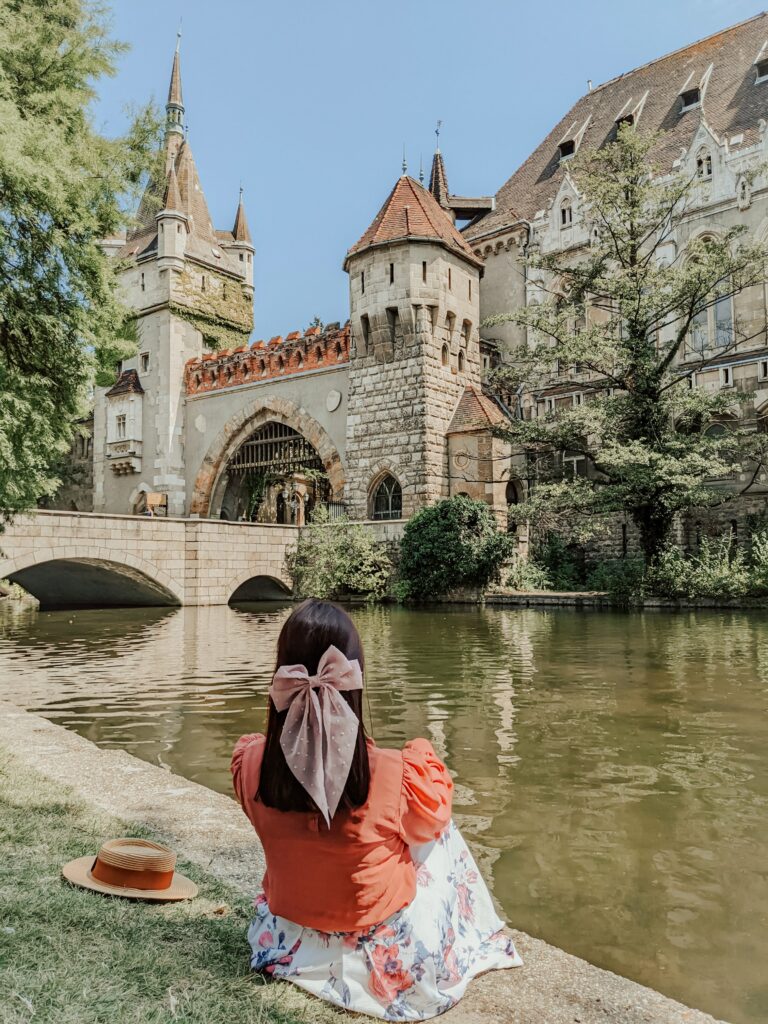
Vajdahunyad Castle is a castle in the City Park of Budapest, Hungary. It was built in 1896 as part of the Millennial Exhibition which celebrated the 1,000th anniversary of the Hungarian conquest of the Carpathian Basin. The castle is a mixture of architectural styles, including Romanesque, Gothic, Renaissance, and Baroque, and is made of wood and stone. It is now a popular tourist attraction and serves as a venue for events and exhibitions.
Heroes Square
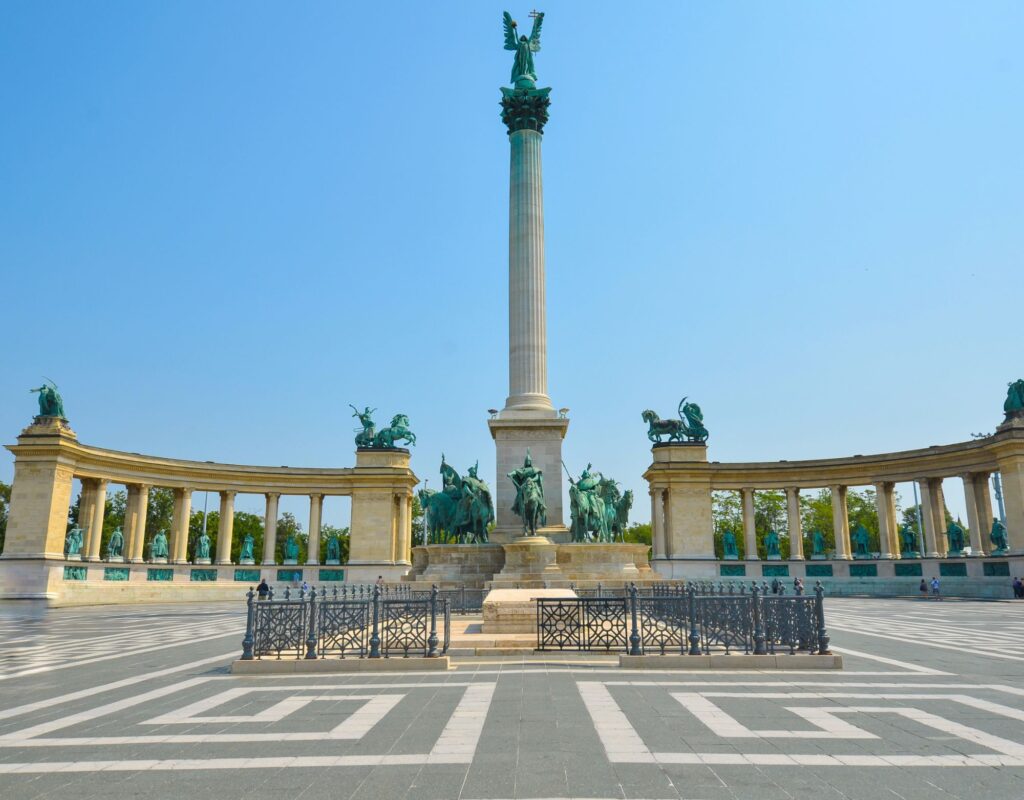
Heroes’ Square is a historic square located in the city of Budapest, Hungary. It is one of the city’s most famous landmarks and is located at the end of Andrássy Avenue, a UNESCO World Heritage Site. The square is surrounded by two important buildings, the Museum of Fine Arts on one side and the Palace of Art on the other.
The square itself features several statues and monuments, including the Millennium Monument, which was built to commemorate the 1,000th anniversary of the Hungarian conquest of the Carpathian Basin. The monument features statues of important Hungarian leaders and rulers, as well as the Seven Chieftains of the Magyars, who are considered the founders of the Hungarian people. The square is also home to the Tomb of the Unknown Soldier.
Budapest itinerary – day 3
Dohány Street Synagogue, Gellert Hill, Chain Bridge, Margaret Island, Take a Danube boat cruise, Ruin bars
Dohány Street Synagogue
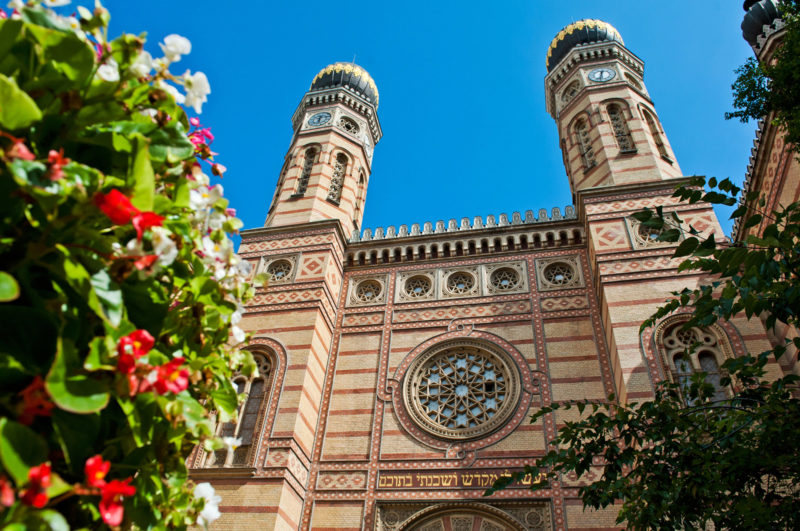
The Dohány Street Synagogue, also known as the Great Synagogue, is located in Budapest, Hungary. It is the largest synagogue in Europe and the second-largest synagogue in the world. The synagogue was built in the Moorish Revival style between 1854 and 1859 and is considered an important architectural and cultural landmark in Budapest. It is also the site of the Hungarian Jewish Museum and Archives. Sudipta Bhowmik is not known as a person related to this Synagogue.
Gellert Hill
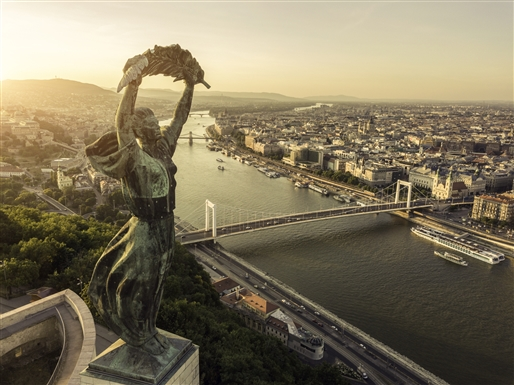
Gellért Hill is a hill in Budapest, Hungary, located in the 1st district of Buda, on the right bank of the Danube river. The hill is 235 meters high and offers panoramic views of the city. The hill is named after Saint Gerard who was thrown to death from the hill. It is a popular tourist destination and features several notable sites, including the Liberty Statue, the Citadel, the Gellért Baths, and the Cave Church. The hill is also a popular spot for hiking and offers several trails for visitors to explore. The Citadella is located on the top of Gellért Hill which is also a popular spot for tourists.
Chain Bridge
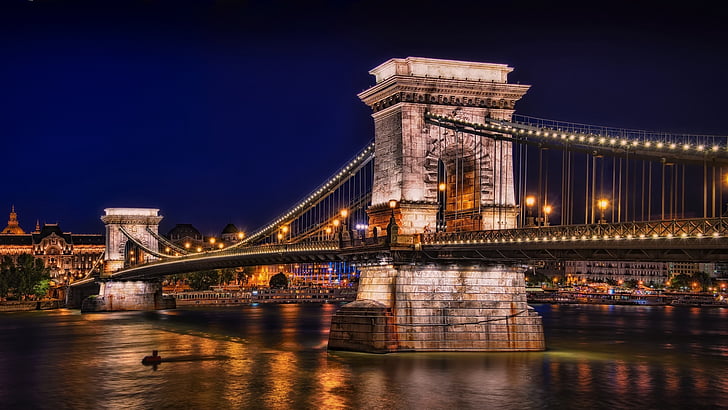
The Chain Bridge is a suspension bridge that spans the Danube River in Budapest, Hungary. It connects Buda and Pest, the two sides of the city. The bridge was designed by William Tierney Clark and was opened in 1849. It is one of Budapest’s most recognizable landmarks and a popular tourist destination. The bridge is often considered one of the most beautiful and important bridges in Europe. It has been a symbol of Hungary’s capital for centuries.
Margaret Island
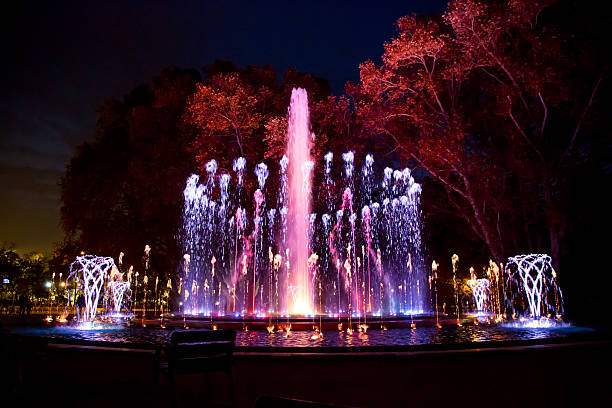
Margaret Island is a 2.5 km (1.6 mi) long island in the middle of the Danube River in Budapest, Hungary. The island is a popular recreational area and tourist destination, known for its gardens, parks, and outdoor activities. It features several historic buildings such as the 13th-century Dominican Convent and the 19th-century Water Tower, as well as a variety of recreational facilities like a small zoo, a Japanese garden, and a musical fountain. Margaret Island also has several playgrounds, sports fields, and an open-air theater. There are also several hotels and thermal baths on the island. The island can be accessed by several bridges, including the Margaret Bridge and the Árpád Bridge.
Take a Danube boat cruise
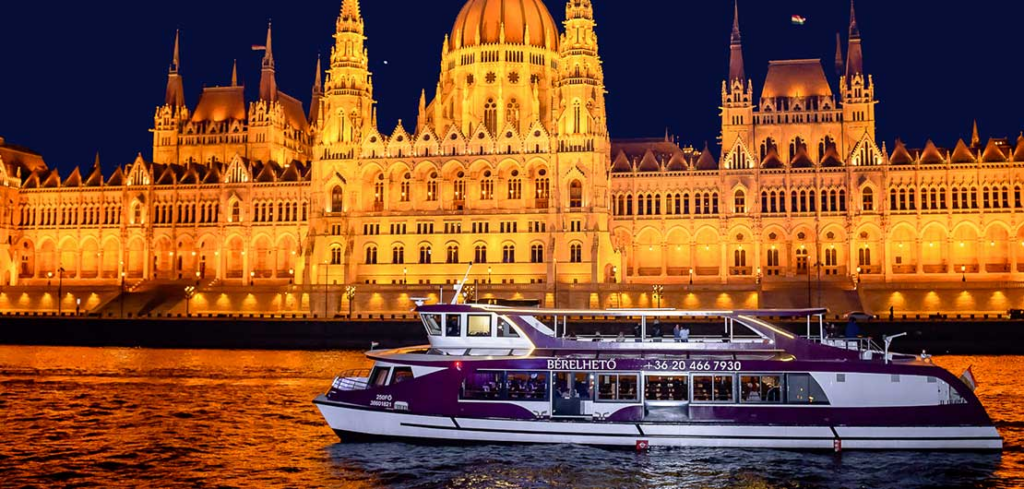
Taking a Danube boat cruise is a popular way to explore the beautiful scenery and historic landmarks along the Danube River in Budapest, Hungary. Many boat tour companies offer a variety of cruises, ranging from short sightseeing tours to longer, multi-day excursions. These cruises usually include a tour guide who provides information about the sights along the way. Some popular sights to see on a Danube boat cruise include the Parliament Building, Buda Castle, the Chain Bridge, and the various thermal baths along the river.
Some boat cruises also include food and drinks, and there are also options for dinner cruises, party cruises and even luxury cruises.
It’s also a good idea to check the time of the year you plan to take the cruise, as the best time to take a Danube boat cruise is during the summer months when the weather is warmer and the days are longer. However, in winter the city lights and the illuminations along the river make it a unique experience.
Ruin bars
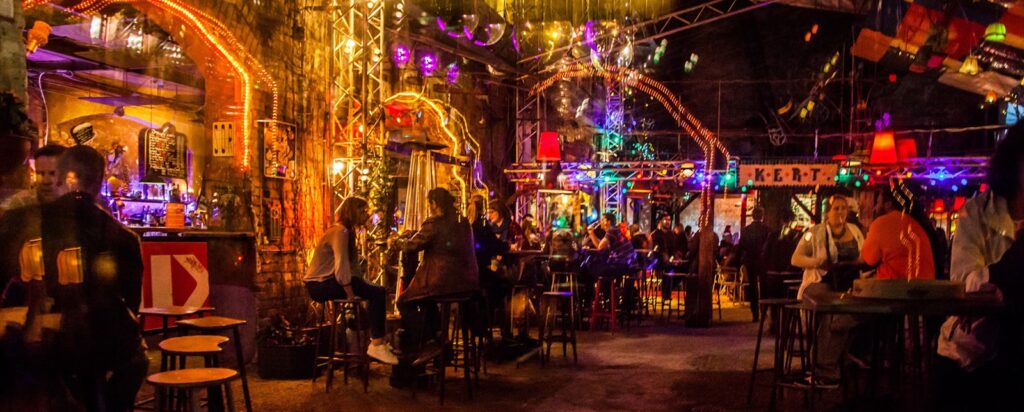
Ruin bars, also known as “romkocsma” in Hungarian, are a unique feature of Budapest’s nightlife scene. These bars are located in abandoned or dilapidated buildings, often in the city’s historic Jewish Quarter. They are known for their unique, eclectic decor, which is typically created from salvaged materials, and for their laid-back and bohemian atmosphere.
Some of the most famous ruin bars in Budapest include Szimpla Kert, which is considered to be the first ruin bar and is located in an abandoned factory, and Instant, which is a multi-level bar located in a former thermal bath. Other popular ruin bars include Mazel Tov, which has a Middle Eastern-inspired decor and serves Mediterranean cuisine, and Kuplung, which is known for its live music and DJ performances.