Budapest is one of the most picturesque capitals in Europe a popular tourist destination. It located in the northwest of the country along the Danube River. The city is known for its thermal baths, historic architecture, and vibrant nightlife. Some of the most famous landmarks in Budapest include the Buda Castle, the Hungarian Parliament Building, and the Széchenyi thermal bath. The city is also home to several museums and art galleries, including the Hungarian National Museum and the Museum of Fine Arts. Additionally, Budapest is renowned for its delicious cuisine, which features a mix of traditional Hungarian dishes and international flavors. Overall, Budapest is a beautiful and culturally rich city with a lot to offer visitors.
Fisherman Bastion
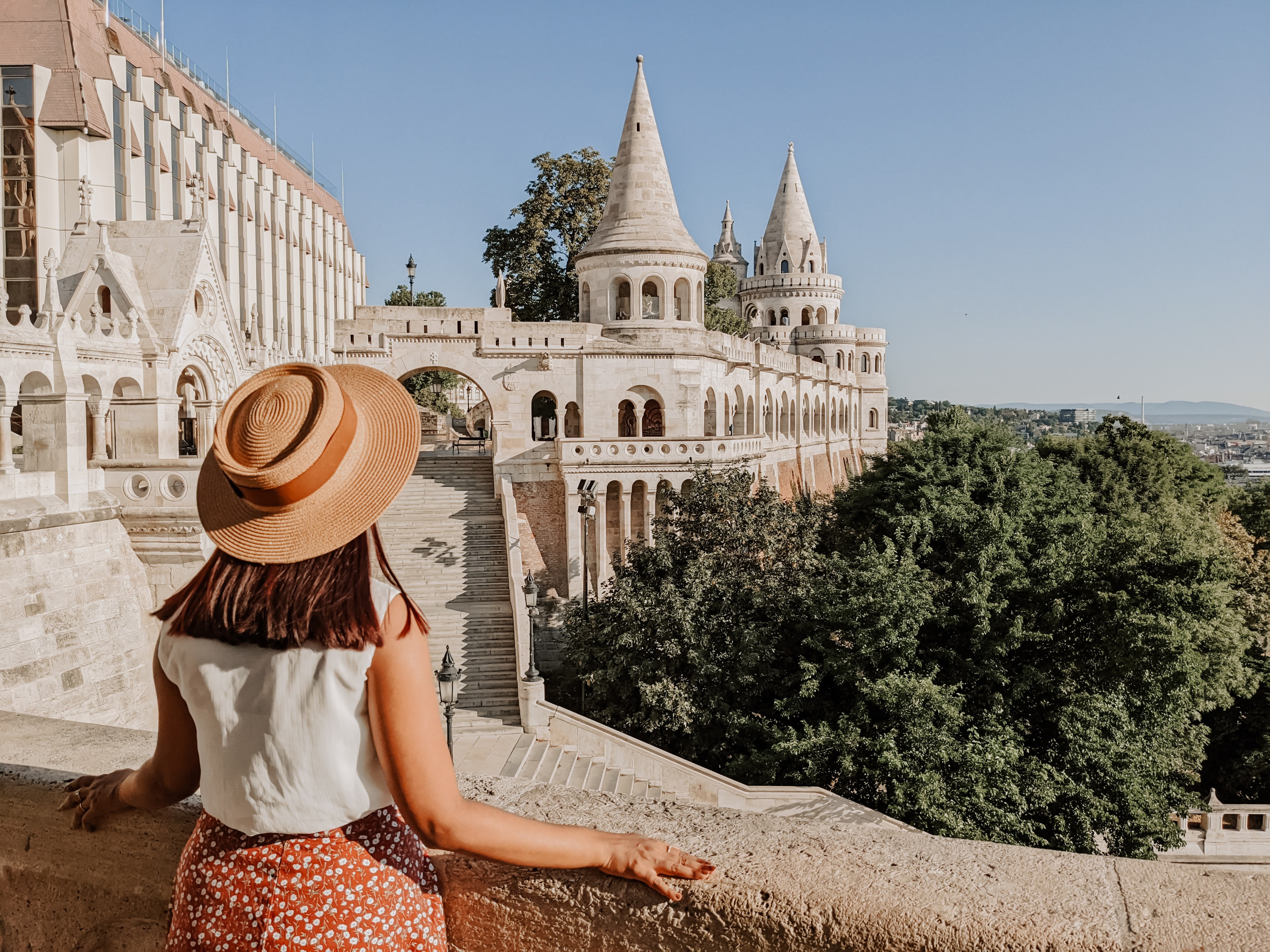
The Fisherman’s Bastion is a terrace located in the Buda Castle District of Budapest, Hungary. It was built between 1895 and 1902, and was designed to be a viewing terrace for visitors to enjoy the panoramic views of the city. The structure is composed of seven towers, each representing one of the seven Magyar tribes that settled in the Carpathian Basin in the 9th century. The towers are connected by a series of terraces and walkways, which offer visitors a variety of vantage points to take in the views.
One of the most striking features of the Fisherman’s Bastion is its ornate architecture. The terrace is made up of a mix of Gothic and neo-Gothic elements, and is adorned with intricate carvings and sculptures. The towers are topped with conical roofs, and are surrounded by battlements and crenellations.
The Fisherman’s Bastion is also known for its picturesque views. From the terrace, visitors can see across the Danube River to the Pest side of the city, including the Hungarian Parliament Building and St. Stephen’s Basilica. On a clear day, it’s even possible to see as far as the Buda Hills and the Gellért Hill.
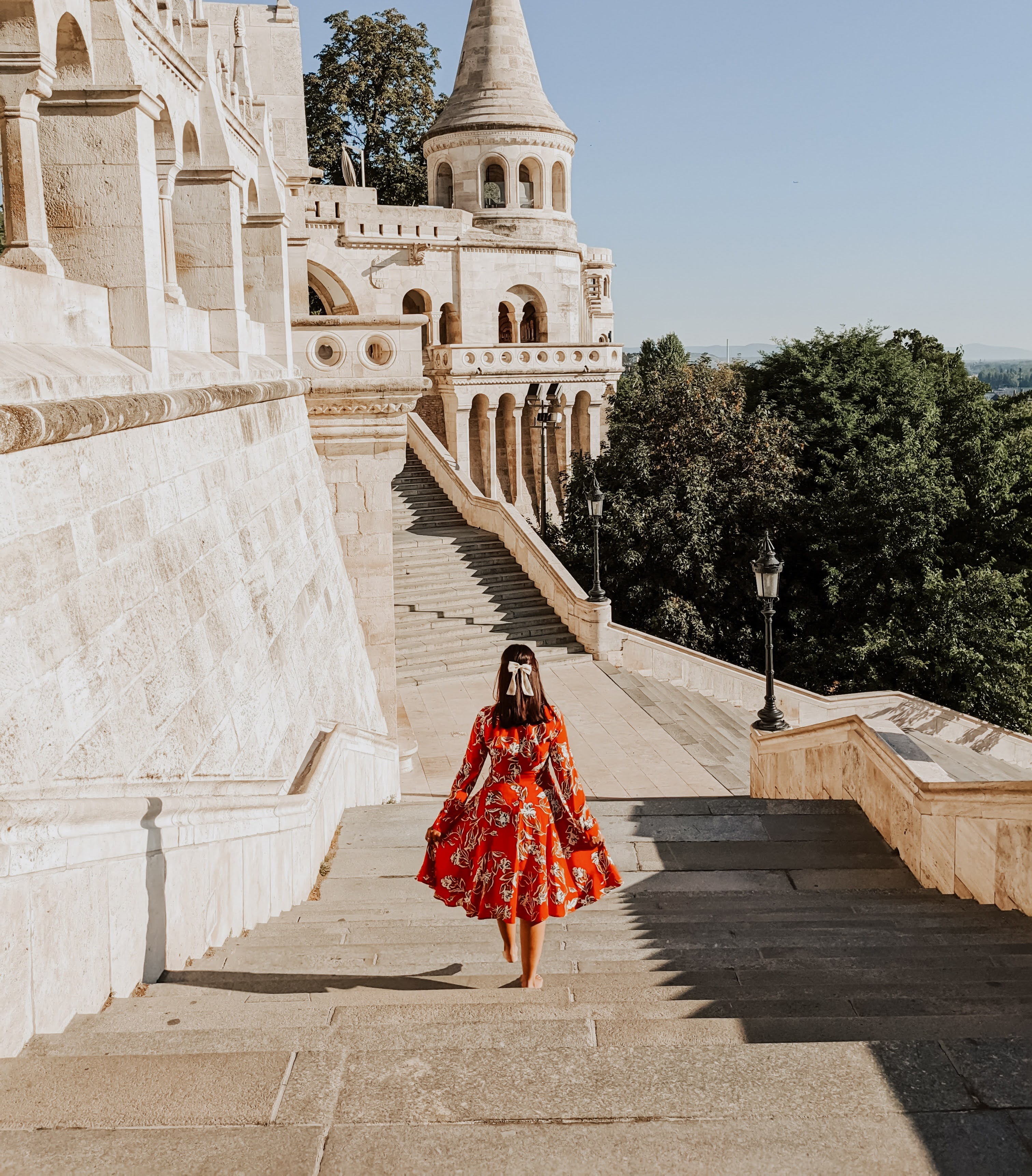
The Fisherman’s Bastion is a popular tourist destination and is open to visitors all year round. Admission to the terrace is free, but there is a fee to climb to the top of the towers. The terrace is also a popular spot for tourists to take photos, and it’s a great place to take a break and relax while enjoying the views.
Fisherman’s Bastion is a neo-Gothic and neo-Romanesque architectural masterpiece, and is considered one of the most beautiful terraces in Europe. It is a must-see attraction for anyone visiting Budapest.
Hungarian Parliament
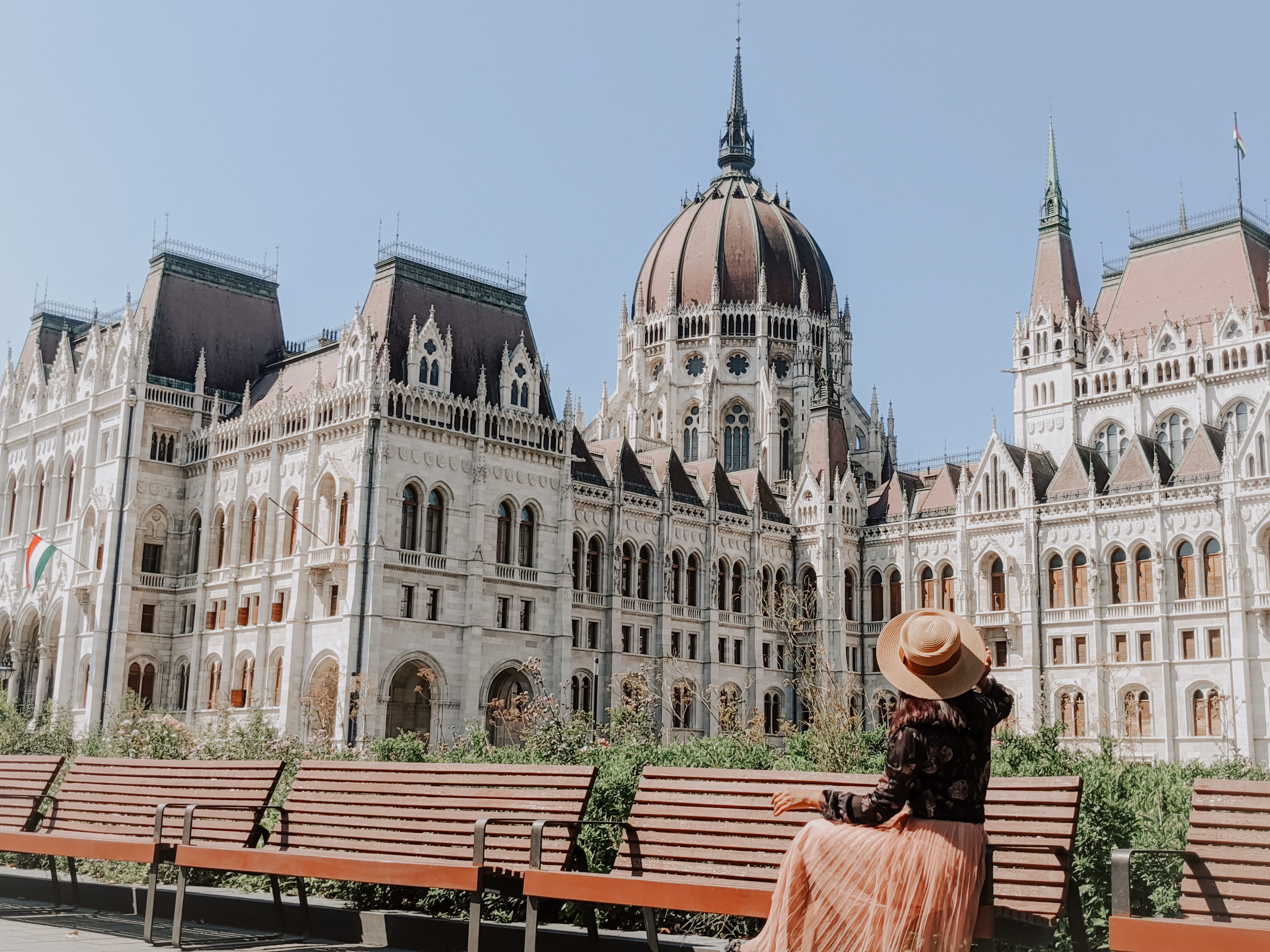
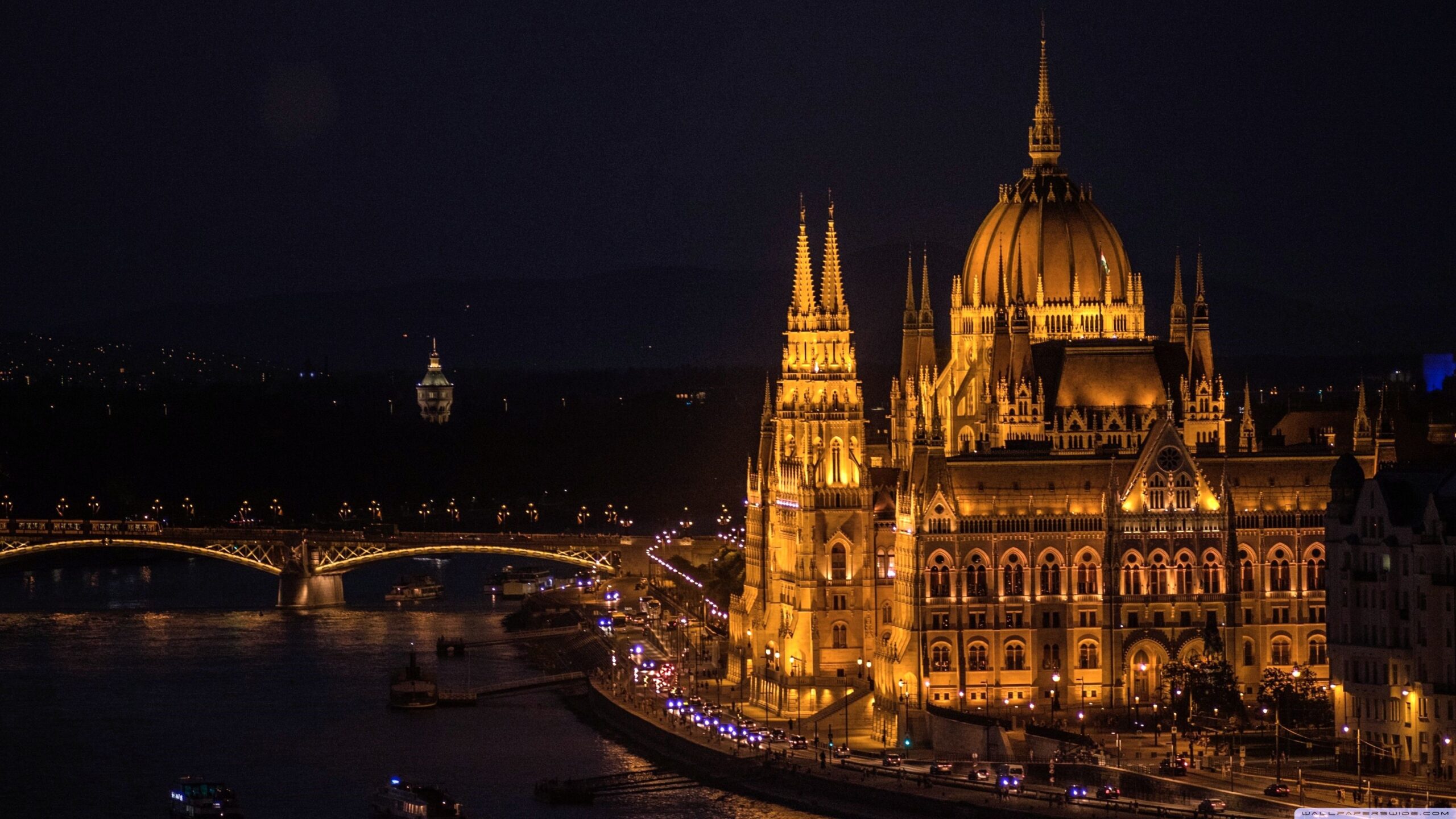
The Hungarian Parliament Building, also known as the Parliament of Budapest, is the seat of the National Assembly of Hungary and one of the city’s most iconic landmarks. It is located on the banks of the Danube River in the heart of Budapest. The building was designed in a Gothic Revival style and is the largest parliamentary building in Europe, with a total floor area of 18,000 square meters.
Construction of the building began in 1885 and was completed in 1904. It was officially opened on the 1000th anniversary of the Hungarian state. The building is 268 meters long and 118 meters wide, with a height of 96 meters. It features a central dome, with a height of 96 meters, and is surrounded by a total of 10 courtyards.
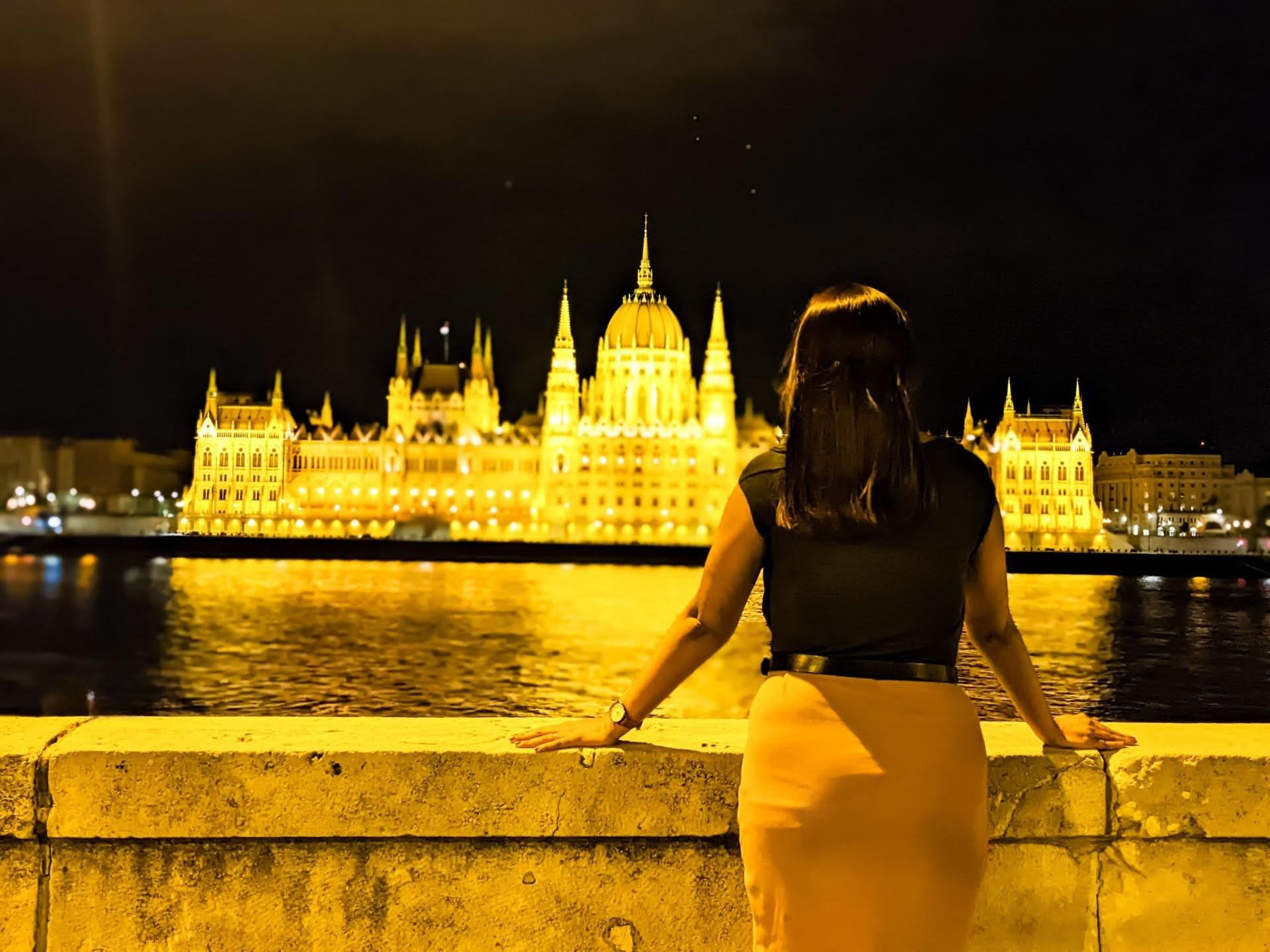
The Hungarian Parliament Building is home to the National Assembly, which is composed of 199 members. Visitors can take a guided tour of the building, which includes the Hungarian Crown Jewels and the Holy Crown of Hungary, as well as the main hall of the National Assembly, where important political debates and legislation are discussed. The building is also open to the public for visits during certain times of the year.
The Hungarian Parliament Building is an architectural masterpiece, and it is considered a symbol of Hungarian democracy and national unity. It is an important landmark for visitors to Budapest and is one of the most visited tourist attraction in the city.
St. Stephen’s Basilica
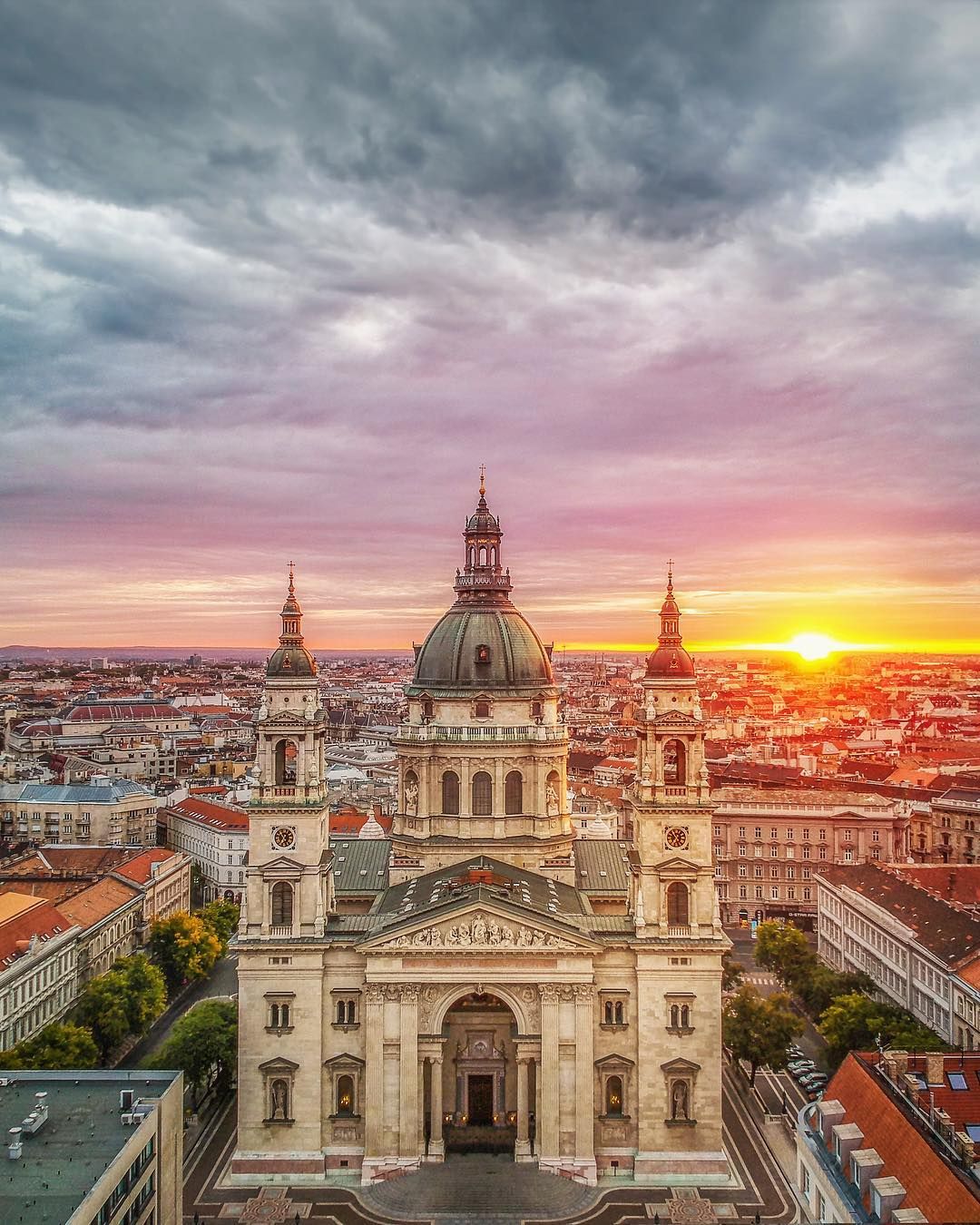
St. Stephen’s Basilica was designed by József Hild and Miklós Ybl, two of Hungary’s most renowned architects of the 19th century. The construction of the basilica began in 1851 and was completed in 1905, taking over 50 years to build. The basilica is built in the Neo-Classical style and is characterized by its grand dome and twin towers.
One of the most striking features of the interior of the basilica is the large fresco of Saint Stephen, which covers the entire ceiling of the main nave. The fresco was painted by Károly Lotz and depicts Saint Stephen holding the Holy Crown of Hungary. The basilica also houses a number of other works of art, including statues, frescoes, and paintings.
The basilica’s most famous relic is the mummified right hand of Saint Stephen, which is kept in a reliquary in the side altar of the basilica. The relic is considered to be a major pilgrimage site for Catholics in Hungary, and it is said to have healing powers. It is also a popular tourist destination, with many visitors coming to view the relic and the other works of art in the basilica.
St. Stephen’s Basilica is also an important center of Hungarian music, with regular concerts and performances being held in the basilica throughout the year. The basilica’s grand organ is considered to be one of the finest in Europe, and it is regularly played during services and concerts.
Széchenyi Baths
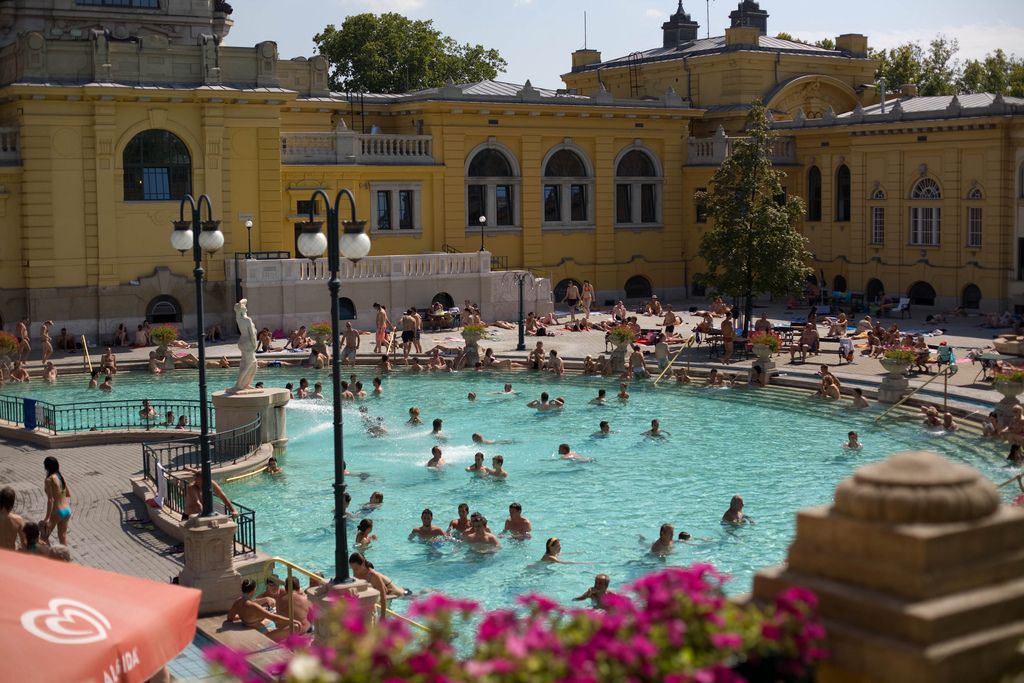
The Széchenyi Baths, also known as the Széchenyi Medicinal Bath, is a historic public bath located in the City Park of Budapest, Hungary. It is one of the largest thermal baths in Europe and one of the most popular tourist attractions in Budapest. The baths were built in 1913 in the Neo-Baroque style and have been in operation ever since.
The baths are fed by two thermal springs, which provide water at temperatures of 38-40°C (100-104°F) and 74-77°C (165-170°F). The water is rich in sulfur and is said to have healing properties for a variety of ailments, including rheumatism and arthritis.
The Széchenyi Baths have several indoor and outdoor pools, including a large thermal pool, a swimming pool, and several smaller pools for relaxation. There are also saunas and steam rooms available for visitors to use. The baths also offer a variety of massage and beauty treatments.
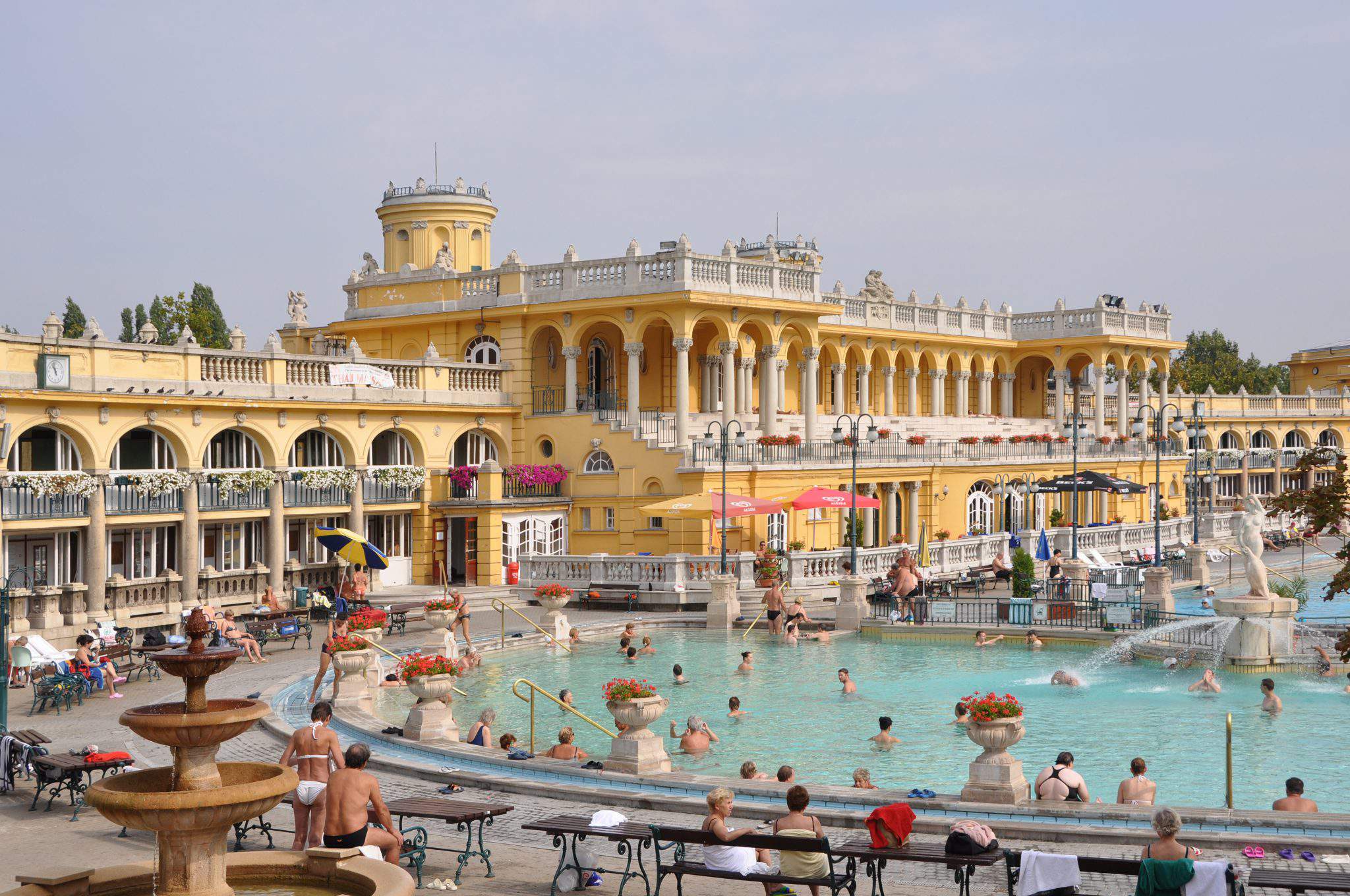
The Széchenyi Baths are also known for their beautiful architecture and gardens. The main building is adorned with ornate mosaics and sculptures, and the surrounding gardens are a popular spot for relaxation and sunbathing.
The Széchenyi Baths are open year-round, and it is a popular destination for both locals and tourists. The baths are considered a must-visit destination for anyone interested in the city’s rich thermal bath culture, and also for those seeking relaxation, wellness and enjoy the beautiful architecture.
Buda castle
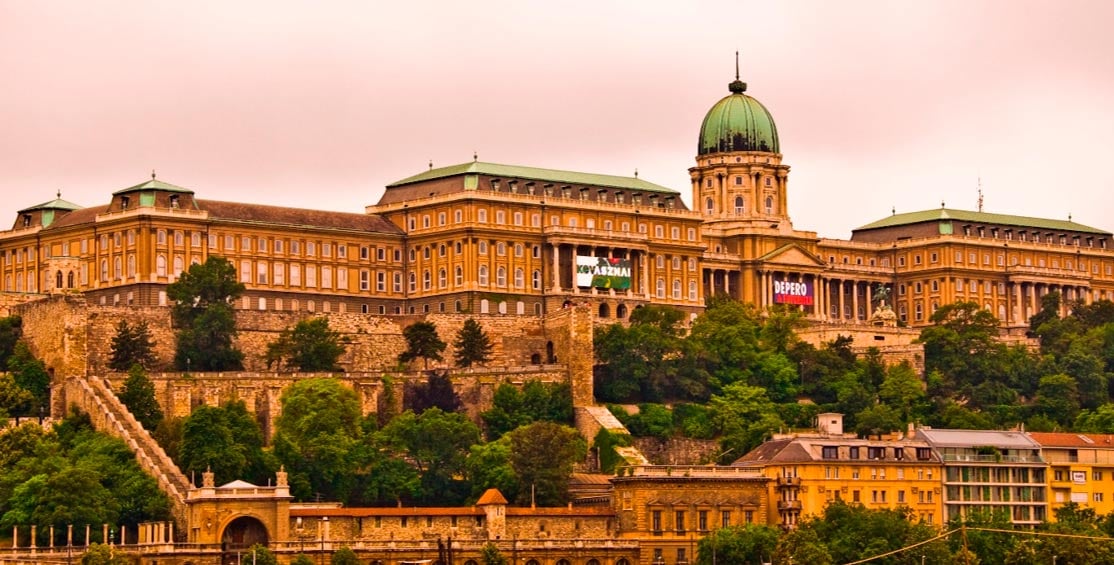
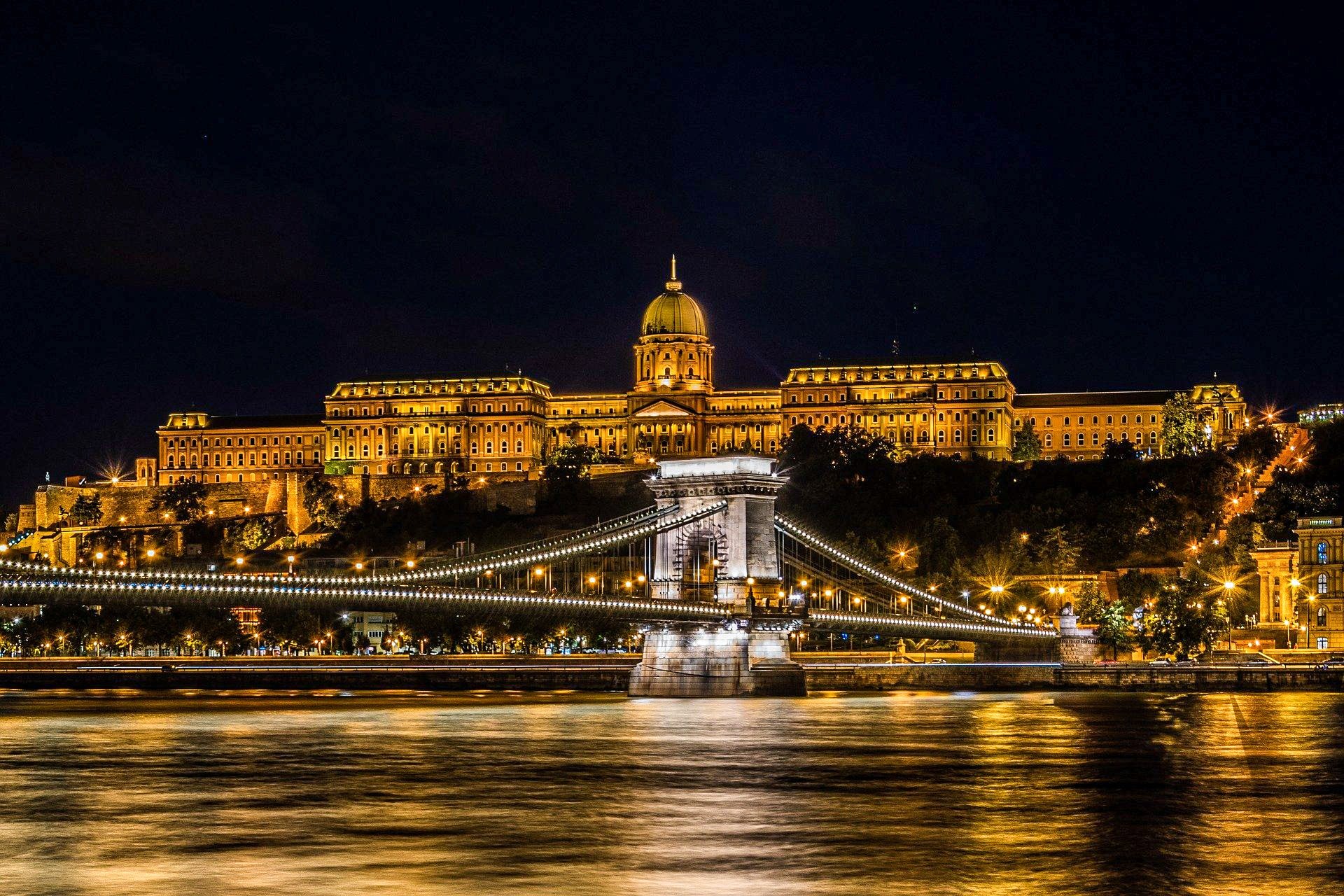
Buda Castle is a historic castle and palace complex located in Budapest, Hungary. It is situated on the southern tip of Castle Hill, on the Buda side of the Danube River. The castle has a long and complex history, with its origins dating back to the 13th century.
Throughout its history, the castle has been expanded and renovated many times. The castle was first built in the 13th century by King Béla IV, but it was destroyed by the Mongols in 1241. It was rebuilt in the 14th century and became the royal palace of the Hungarian kings. In the 15th and 16th centuries, the castle was expanded and fortified. In the 18th century, the palace was rebuilt in the Baroque style.
During World War II, the castle was severely damaged by bombing, and it was not fully restored until the 1980s. Today, the castle is a UNESCO World Heritage Site and is one of the most popular tourist destinations in Budapest. It houses several museums, including the Hungarian National Gallery, the Budapest History Museum, and the Museum of Military History. It also offers visitors panoramic views of the city and the Danube River.
Buda Castle is also home to the Matthias Church, a beautiful medieval church that is known for its ornate architecture and colorful tile roof. The church is named after King Matthias Corvinus, who was responsible for many of the castle’s expansion and renovation in the 15th century.
The Castle Hill is a famous spot to visit and explore, it offers a great view on the city, and it’s not just the Castle, but also a lot of historical buildings, and monuments. Visitors can walk around the castle’s ramparts, stroll through the Castle District, and take in the charming medieval streets and buildings.
St Matthias Church
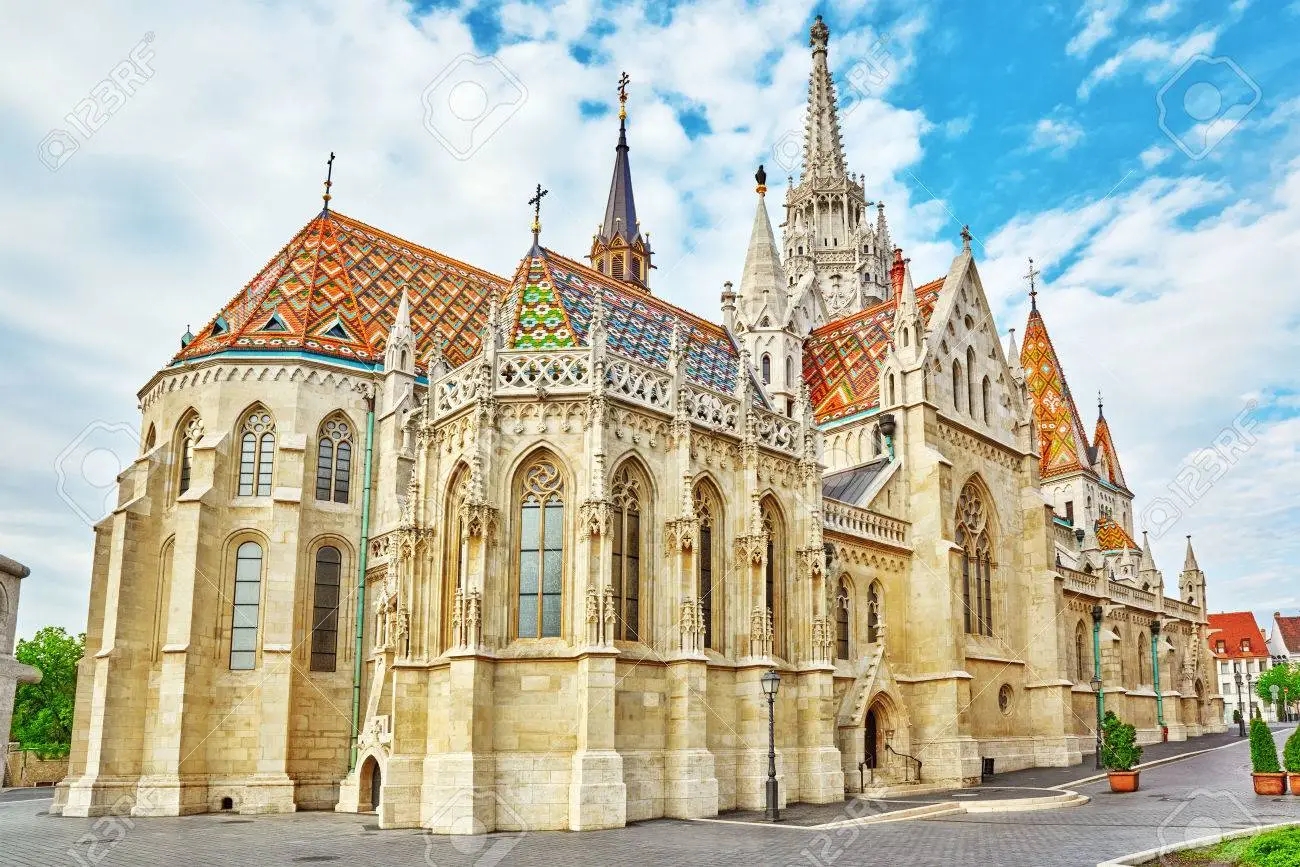
St. Matthias Church (also known as the Church of Our Lady) is a Roman Catholic church located in the Castle District of Budapest, Hungary. It is situated on the southern tip of Castle Hill, next to Buda Castle. The church is named after King Matthias Corvinus, who was responsible for many of the castle’s expansion and renovation in the 15th century.
The church has a long and complex history, with its origins dating back to the 14th century. The first church on this site was built in the Gothic style in the 14th century. It was rebuilt in the late 14th century, after it was destroyed by the Mongols in the 13th century. In the 15th century, King Matthias Corvinus, who was a patron of the arts, ordered the expansion and renovation of the church. The church was expanded and rebuilt in the Baroque style in the 18th century.
One of the most striking features of the St. Matthias Church is its ornate architecture. The church is known for its colorful tile roof, which is decorated with the coats of arms of King Matthias and his wife. The church also features an ornate facade, with intricate carvings and sculptures. Inside, the church is decorated with frescoes, murals, and stained-glass windows.
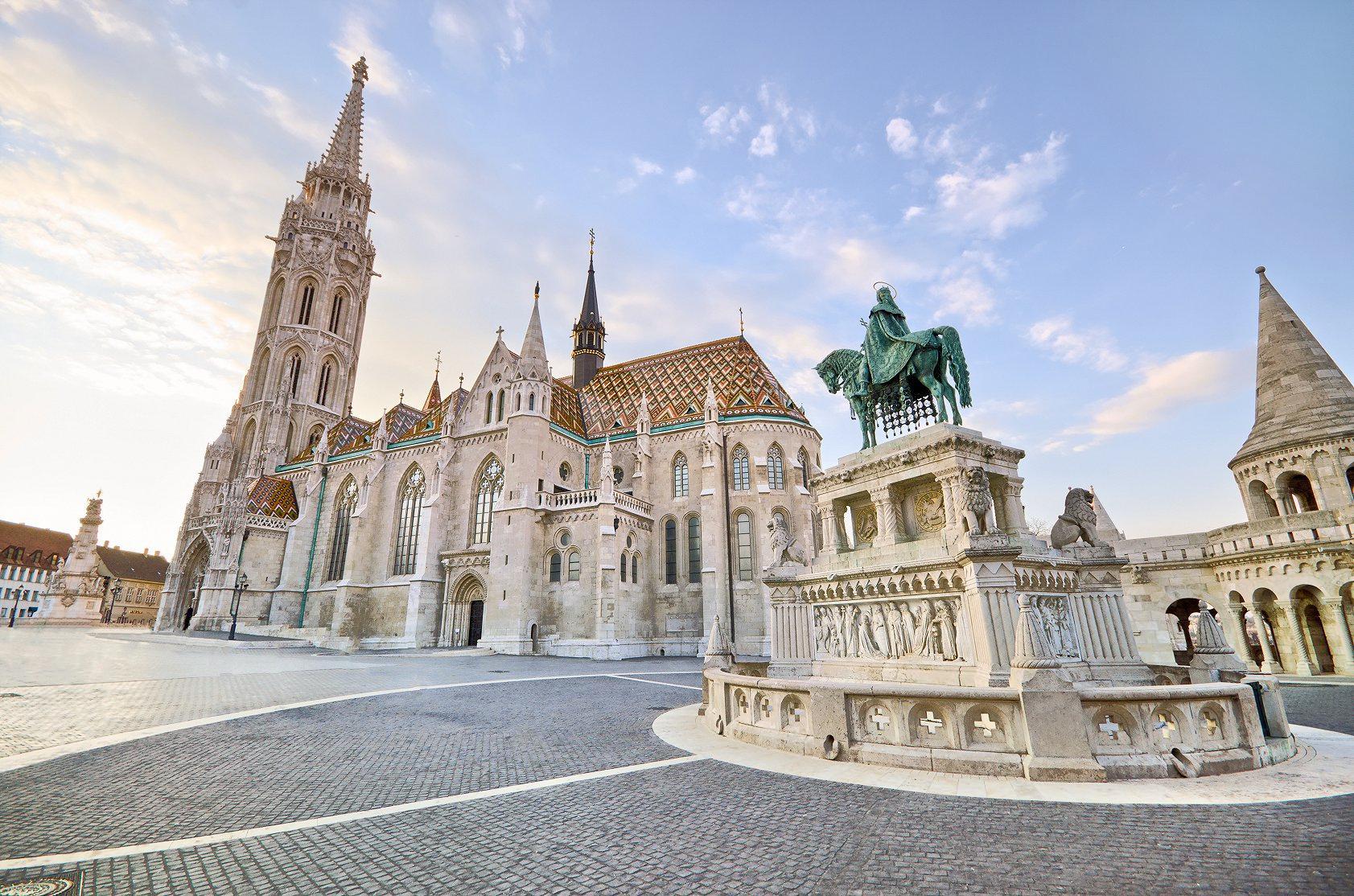
The St. Matthias Church is also notable for its historical significance. It was the site of several important events in Hungarian history, including the coronation of several Hungarian kings and queens. The church also served as a royal chapel for the Habsburgs, who ruled Hungary for several centuries.
The St. Matthias Church is open to visitors all year round and it’s a popular destination for tourists and local alike. Visitors can explore the church’s interior, admire the beautiful art, and take in the rich history of the site. The church is also used for religious services and weddings.
Heroes’ Square
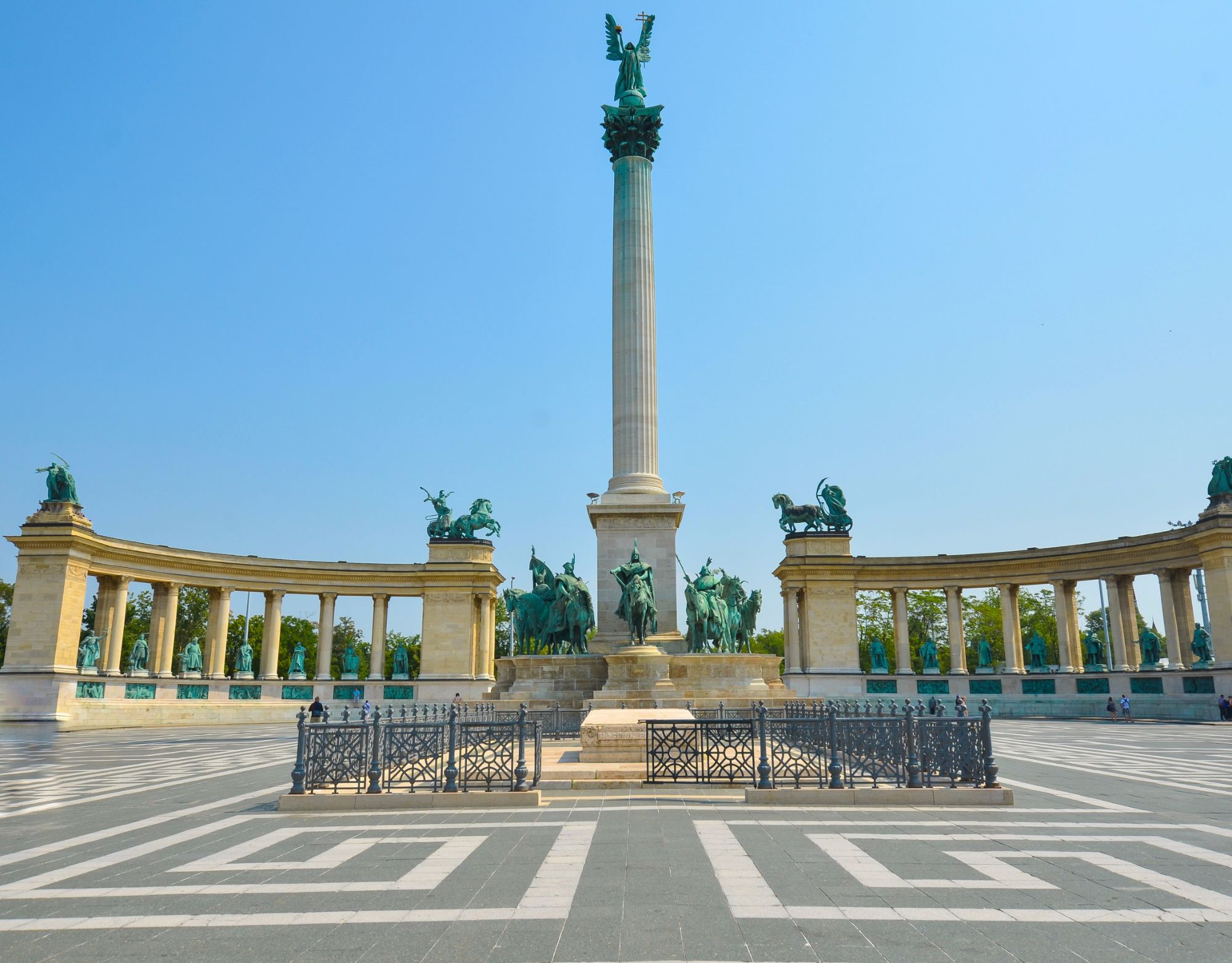
Heroes’ Square, or Hősök tere in Hungarian, is a large public square located in Budapest, Hungary. It is one of the city’s most popular tourist attractions and a symbol of Hungarian nationalism pride. The square was built in 1896 to commemorate the 1,000th anniversary of the arrival of the Magyars, the Hungarian people, in the Carpathian Basin.
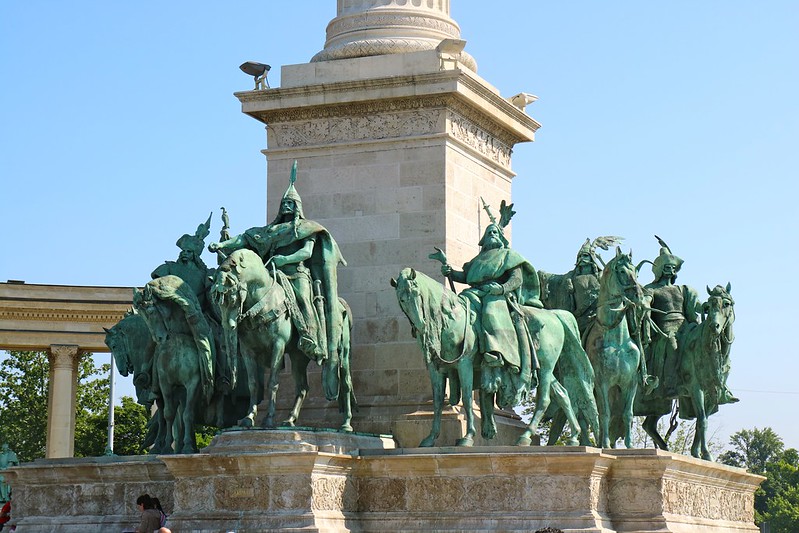
The square is dominated by the Millennium Memorial, a large monument that features statues of the most important figures in Hungarian history, including kings, warriors, and statesmen. The centerpiece of the monument is a 35-meter (115-foot) tall column, which is topped by the archangel Gabriel holding the Holy Crown of Hungary. At the base of the column, there are statues of the seven chieftains of the Magyars, who led the tribe into the Carpathian Basin in 896.
Heroes’ Square is surrounded by several important buildings and institutions, including the Museum of Fine Arts, which is located on the square’s southern side, and the Palace of Arts, which is located on the square’s northern side. The square is also surrounded by beautiful gardens, which are a popular spot for relaxation and picnics.
Heroes’ Square is also a popular spot for public events, such as concerts and festivals, and it is a popular spot for locals and tourists alike. It is considered a must-visit destination for anyone interested in Hungarian history and culture, as well as for those who appreciate the grandeur of the architecture and the beauty of the gardens.
Vajdahunyad Castle
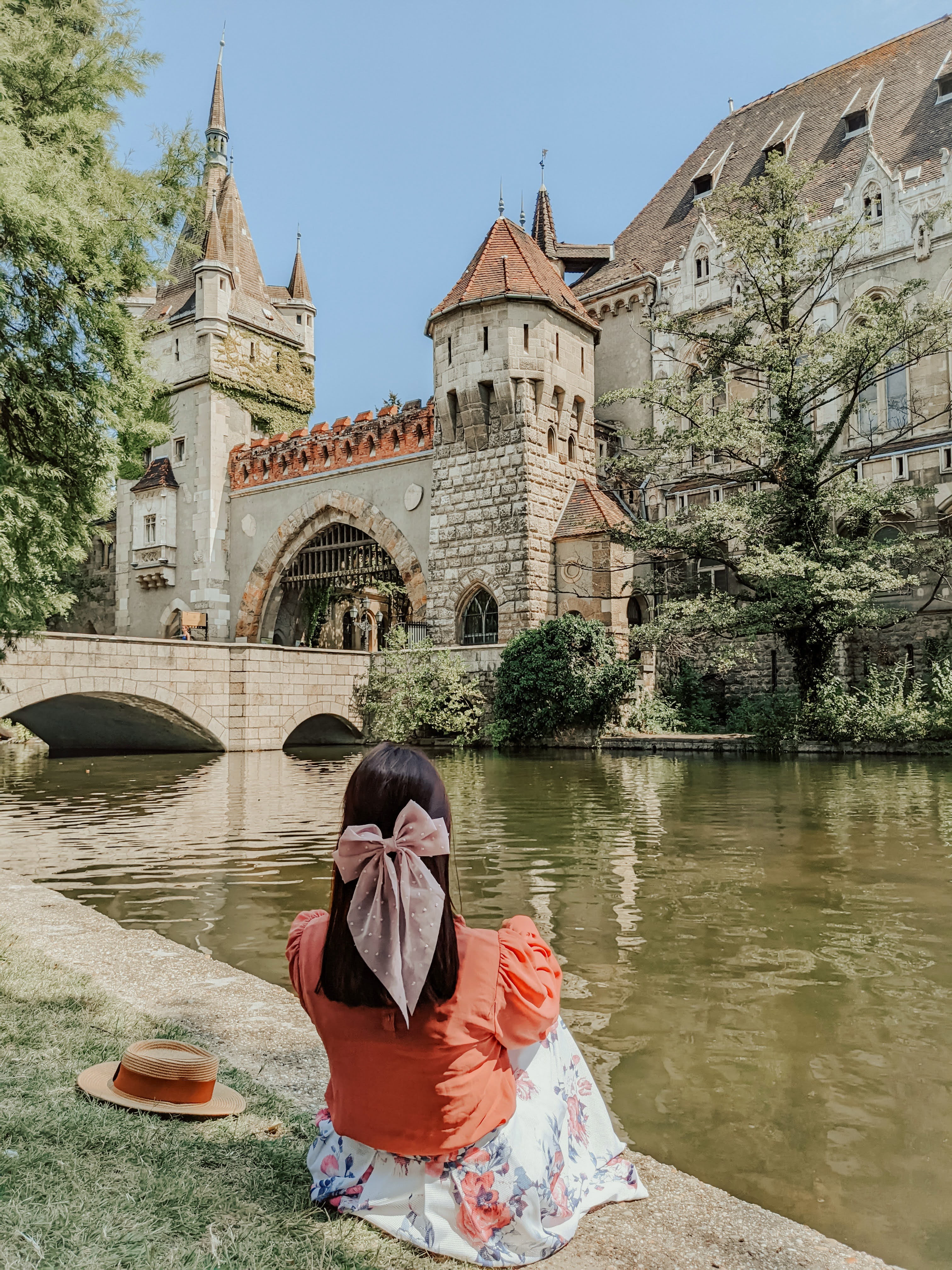
ajdahunyad Castle is a castle located in the City Park of Budapest, Hungary. It is a replica of a castle that is located in Transylvania, Romania. The original castle was built in the 12th century, but it fell into ruin over time. The replica in Budapest was built in 1896 for the Millennial Exhibition, to celebrate the 1000th anniversary of the Hungarian conquest of the Carpathian Basin.
The castle is a unique architectural gem, it is a mix of different architectural styles, it features elements of Gothic, Renaissance, Baroque and Romanesque styles. The castle is a composite of several buildings, with towers, turrets, and battlements, that together create a harmonious and picturesque ensemble.
The castle is also home to several museums, including the Museum of Hungarian Agriculture, which is housed in the castle’s Great Hall. The castle also features a beautiful statue of Anonymus, a medieval chronicler who is said to have been the author of the Gesta Hungarorum, a chronicle of the early Hungarian history.
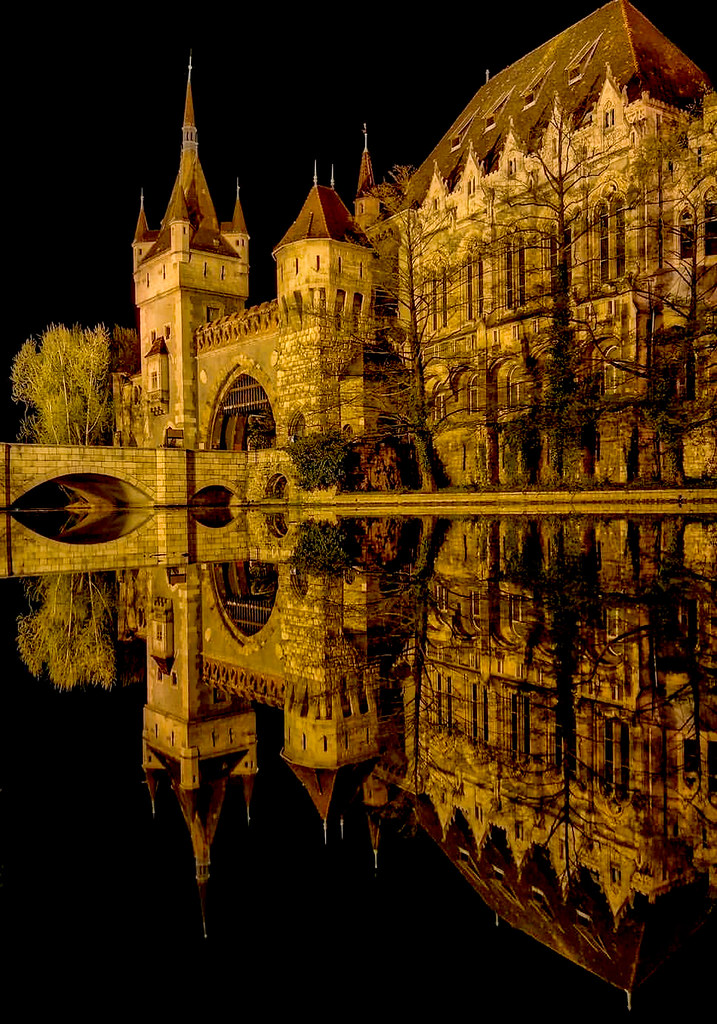
Vajdahunyad Castle is a popular tourist destination and is open to visitors all year round. Visitors can explore the castle’s interior, visit the museums and admire the beautiful architecture and statues. The castle is also a popular spot for festivals and events, such as the Budapest Wine Festival, which is held in the castle’s courtyard every September.
Vajdahunyad Castle is also located in the City Park, which is the largest park in Budapest, it offers a variety of activities such as boating, ice-skating, or just a relaxing stroll. It’s an excellent spot to visit on a nice day, and it’s also a great place to take a break from the hustle and bustle of the city.
Central Market Hall
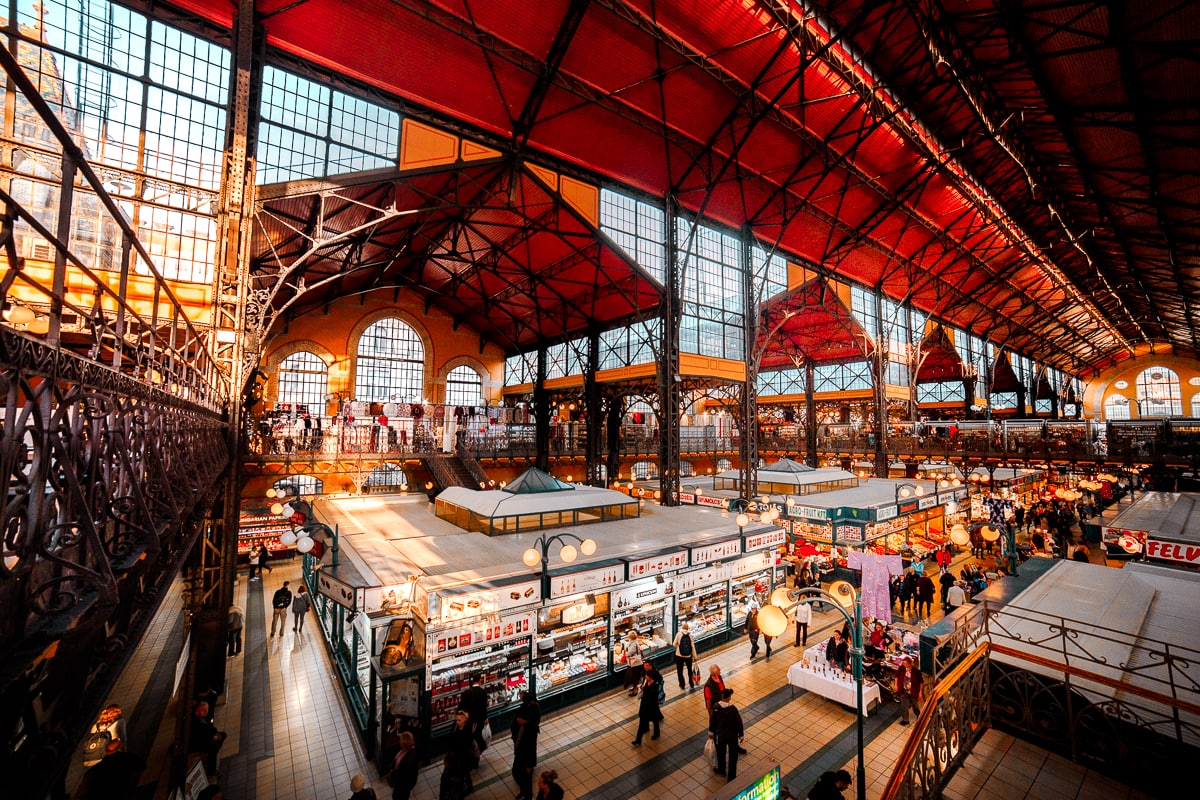
The Central Market Hall, or the Great Market Hall, is a large indoor market located in Budapest, Hungary. It is one of the city’s most popular tourist attractions and a great place to experience Hungarian culture and cuisine. The market was built in 1897 and is one of the largest indoor markets in Europe.
The market is divided into three levels, with the ground floor being the main level and the two upper levels being used for storage. The ground floor is home to a variety of vendors selling a wide range of goods, including fresh produce, meats, cheeses, spices, and traditional Hungarian handicrafts. The upper levels are mainly used for storage, but they also contain a few vendors selling souvenirs and other items.
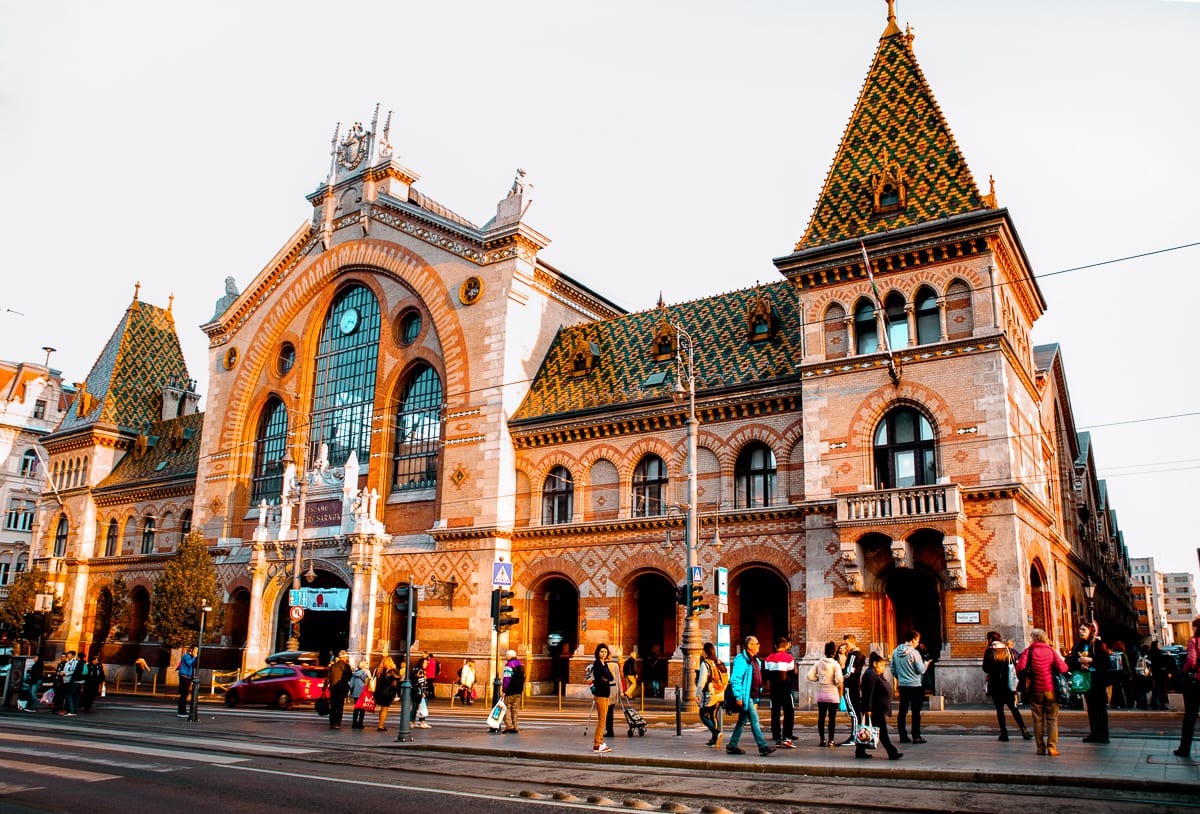
The market is also a great place to try traditional Hungarian foods and drinks. There are several food stands and restaurants located inside the market, where visitors can sample a variety of Hungarian dishes, such as goulash, chimney cake, and lángos, as well as Hungarian wine and pálinka, a traditional Hungarian fruit brandy.
The Central Market Hall is also a great place to learn about Hungarian culture and history. Visitors can talk to the vendors, who are often happy to share stories and information about Hungarian life, customs and traditions. The market is also known for its beautiful architecture and it’s a great spot for photographers.
Margaret Island
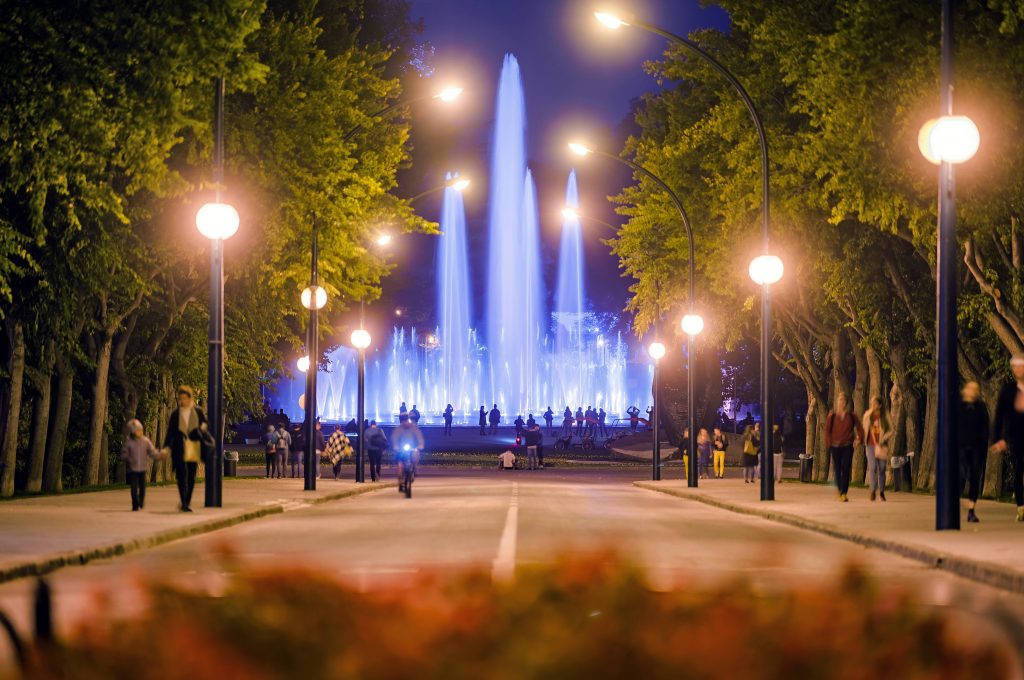
Margaret Island is a 2.5 km long island located in the Danube River in Budapest, Hungary. It is a popular tourist destination and a popular spot for locals to enjoy leisure activities. The island is named after Saint Margaret of Hungary, who lived in a convent on the island in the 13th century.
Margaret Island is a popular spot for recreational activities, and it is known for its beautiful gardens, parks, and recreational facilities. The island is home to several attractions, including a Japanese garden, a musical fountain, a water tower, and a small zoo. There are also several playgrounds, sports fields and running tracks, as well as a spa and swimming complex.
The island is also a great place to relax and enjoy the outdoors. Visitors can take a stroll along the picturesque paths that crisscross the island, or they can sit and enjoy the views of the Danube River and the Buda hills. The island is also a popular spot for picnics, and there are several picnic areas located throughout the island.

Margaret Island is also a popular spot for cultural events, such as concerts and festivals. The island has an open-air theater, which hosts concerts and performances throughout the year.
In conclusion, Margaret Island is a must-visit destination for anyone visiting Budapest. The island is a great place to enjoy nature, relax, and take part in recreational activities. The island is also a great place to experience Hungarian culture and to enjoy the beautiful views of the city.
Szimpla Kert
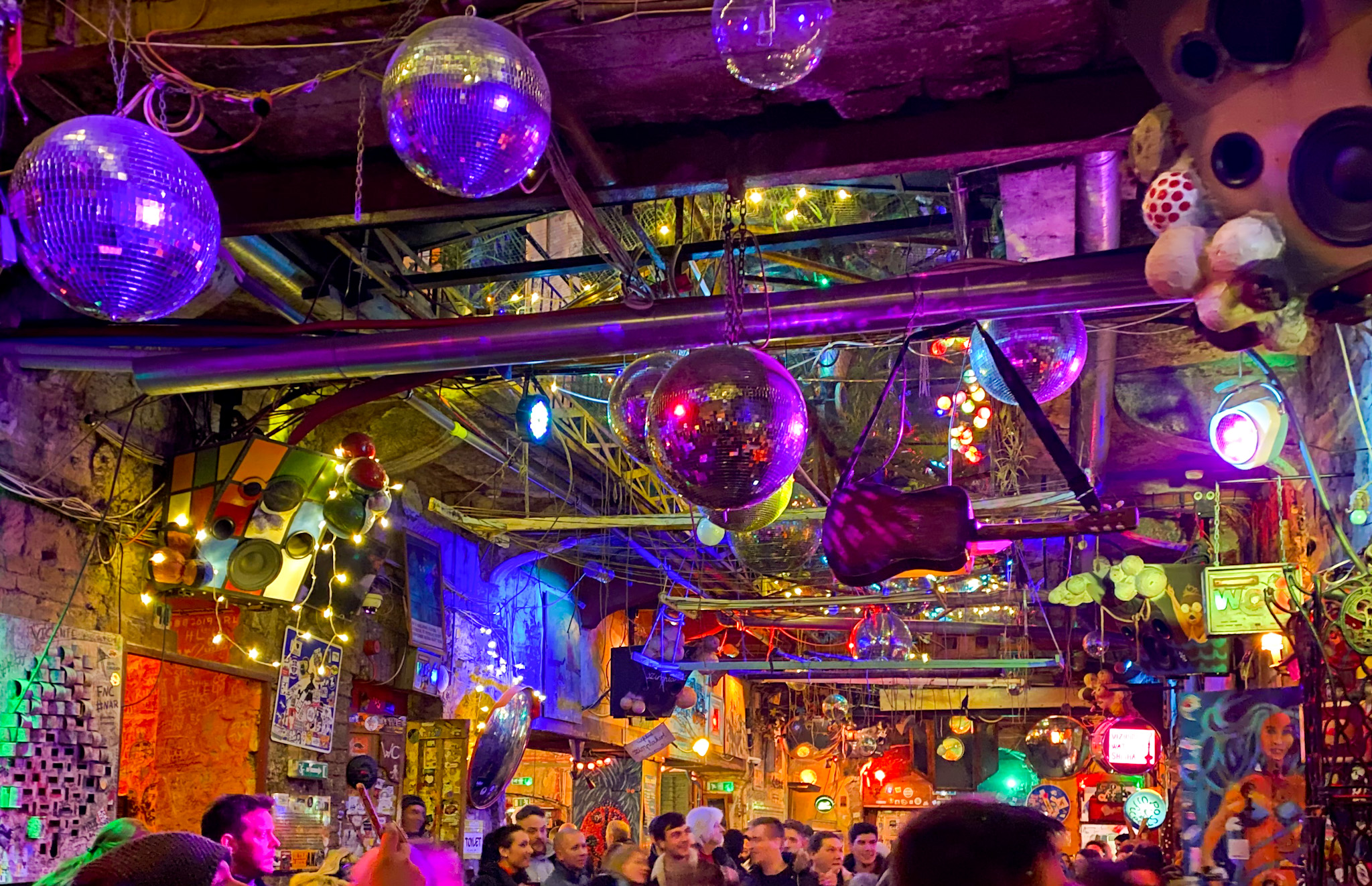
Szimpla Kert is a popular ruin bar located in the Jewish Quarter of Budapest, Hungary. It is considered one of the most famous ruin bars in the city, and it is known for its unique atmosphere and bohemian vibe. A ruin bar is a type of bar that is located in an abandoned or run-down building and is often decorated with an eclectic and colorful mix of furnishings and decorations.
Szimpla Kert was one of the first ruin bars to open in Budapest, and it has become a popular destination for locals and tourists alike. The bar is located in an abandoned factory building and is decorated with a mix of vintage and modern furnishings. The decor includes vintage chandeliers, colorful lights, and an eclectic mix of furniture and decorations, which create a unique and bohemian atmosphere.
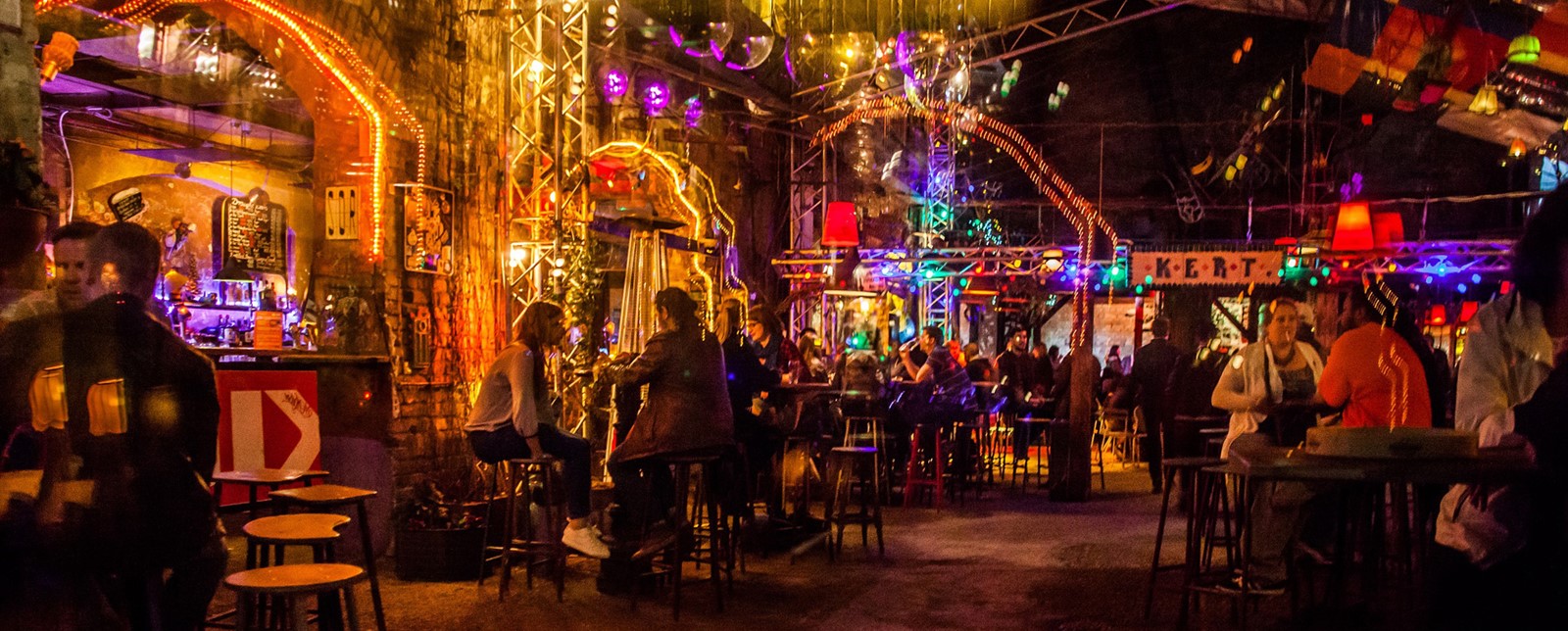
Szimpla Kert has a wide variety of drinks on offer, including Hungarian wine, pálinka, and beer, as well as cocktails and other mixed drinks. The bar also has a small selection of food, including traditional Hungarian dishes like chimney cake and lángos.
Szimpla Kert is also known for its live music and cultural events, which are held regularly throughout the week. The bar also has a small outdoor courtyard and a terrace, which is a great place to relax and enjoy the warm summer evenings.
In conclusion, Szimpla Kert is a must-visit destination for anyone interested in experiencing Budapest’s famous ruin bar culture. The bar offers a unique atmosphere, a wide variety of drinks, and live music and cultural events, making it a perfect spot to relax and enjoy the city’s vibrant nightlife.
New York Cafe

The New York Cafe, also known as the New York Palace Cafe, is a historic cafe located in Budapest, Hungary. It is considered one of the most beautiful cafes in the world and is known for its opulent decor, grand architecture, and elegant atmosphere. The cafe was opened in 1894 and was originally the meeting place of the elite of Hungarian society.
The New York Cafe is located inside the New York Palace, a grand 19th century building that was once the residence of a wealthy Hungarian aristocrat. The cafe is decorated in a lavish Art Nouveau style, and features a grand marble staircase, ornate chandeliers, and intricate frescoes and murals on the ceiling. The cafe has a large seating area, with tables and chairs arranged around a central dance floor, as well as several smaller private rooms for more intimate gatherings.
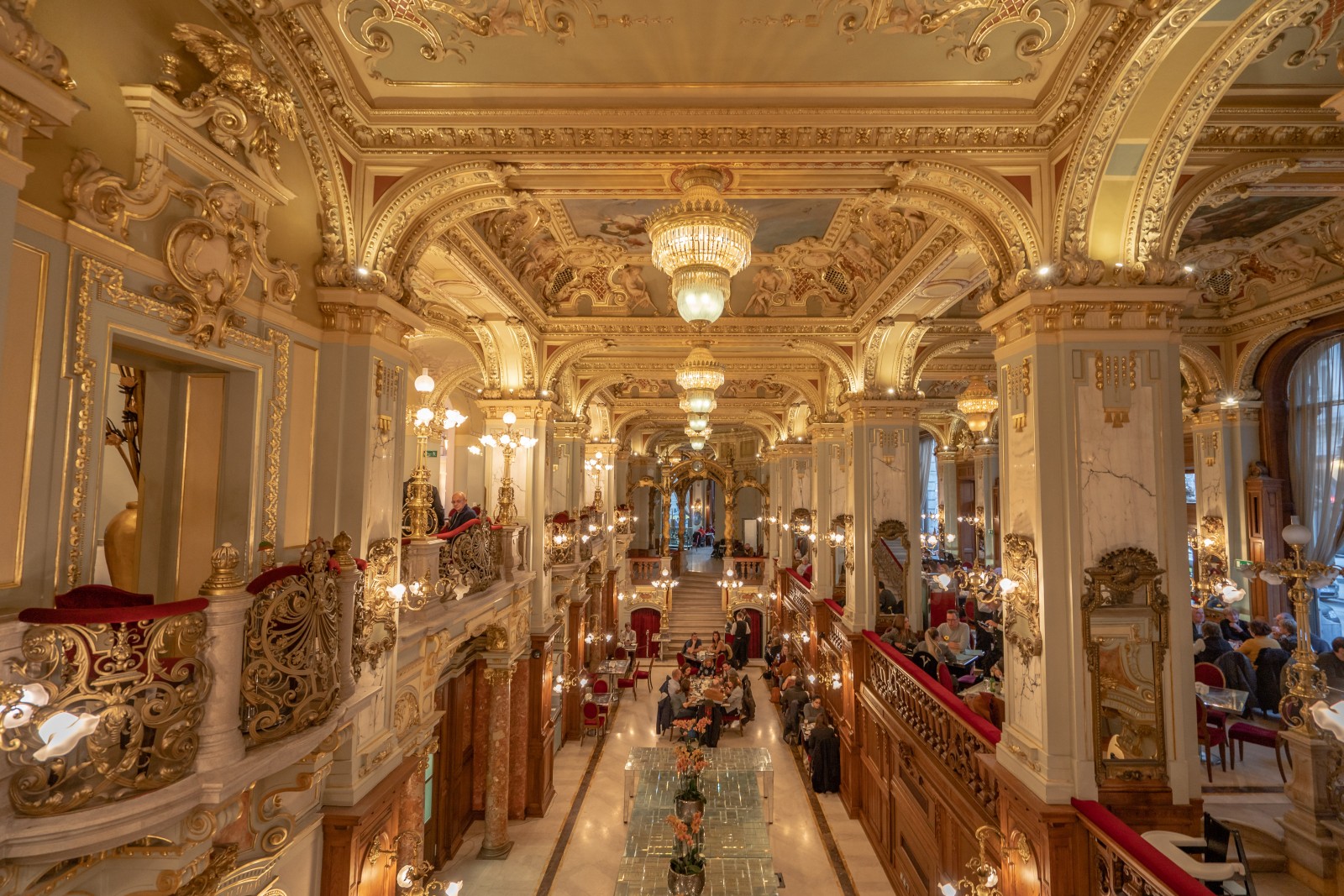
The New York Cafe is famous for its traditional Hungarian cuisine and its extensive selection of pastries, cakes and coffee. It is also known for its live music performances and its elegant atmosphere, making it a popular spot for special occasions and romantic dinners.
After the World War II, New York Cafe was nationalized and became a state-run establishment, it lost its splendor and prestige. In the 90s, it was finally returned to its private owners and underwent a complete renovation, restoring it to its former glory. Today, the New York Cafe is a popular tourist destination and is considered one of the most beautiful cafes in the world.
Liberty Bridge
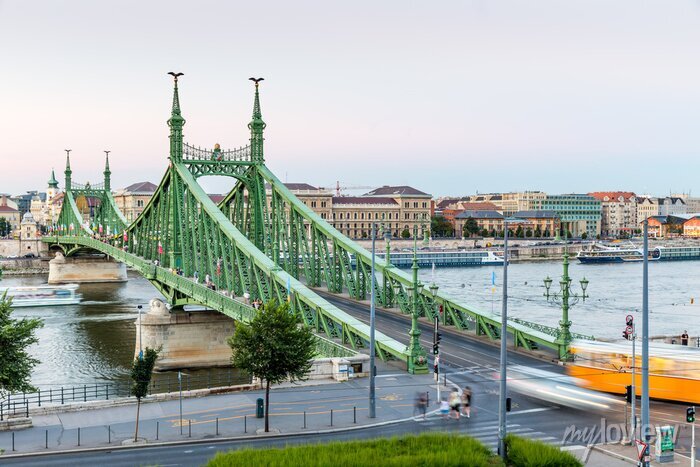
The Liberty Bridge (Szabadság híd in Hungarian) is a bridge located in Budapest, Hungary that spans the Danube River. It connects the two sides of the city, Buda and Pest, and is the third oldest bridge in Budapest. It was built between 1894 and 1896, during the period of the Austro-Hungarian Empire.
The Liberty Bridge is a steel truss bridge, with four main spans and two side spans, it is 333 meters long and 20 meters wide. It is known for its Art Nouveau style, with ornate lamps, railings and a central section decorated with allegorical figures and inscriptions. The bridge’s most striking feature is the four pairs of large cast-iron figures that adorn the bridge’s four piers, depicting the Turul bird, a mythical bird in Hungarian folklore, and the allegory of Industry and Commerce.

The bridge was closed during World War II, and was severely damaged by bombing. It was rebuilt after the war and was reopened in 1946. It was also closed for renovations in the early 2000s, and was reopened in 2001.
The Liberty Bridge is a popular spot for tourists and locals alike, it offers a great view of the city and the Danube river, it’s a great spot for photographers and visitors looking for a peaceful stroll. The bridge is also a popular spot for festivals and events, such as the Budapest Wine Festival, which is held on the bridge every September.
The Liberty Bridge is a key transportation link in the city and is used by both cars and pedestrians. It is also a stop on the city’s tram line, as well as a bike-rental station.
Chain Bridge
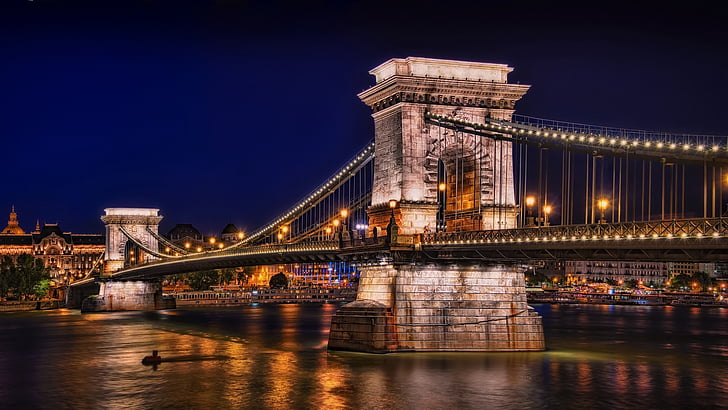
The Chain Bridge (Széchenyi Lánchíd in Hungarian) is a suspension bridge that spans the Danube River in Budapest, Hungary. It connects the two sides of the city, Buda and Pest, and is the first permanent bridge to span the river. It was designed by the English engineer William Tierney Clark and the Scottish engineer Adam Clark, and was built between 1839 and 1849.
The Chain Bridge is a steel suspension bridge, with two main spans and two side spans, it is 375 meters long and 20 meters wide. It is known for its elegant design, with two stone towers, each adorned with lions, and steel chains suspending the roadway. The bridge’s most striking feature is the two large stone lions that guard the bridge’s two entrances.
The Chain Bridge was a key transportation link in the city and was used by both cars and pedestrians. It was closed during World War II and was severely damaged by bombing. It was rebuilt after the war and was reopened in 1949. The bridge was also closed for renovations in the early 2000s, and was reopened in 2001.
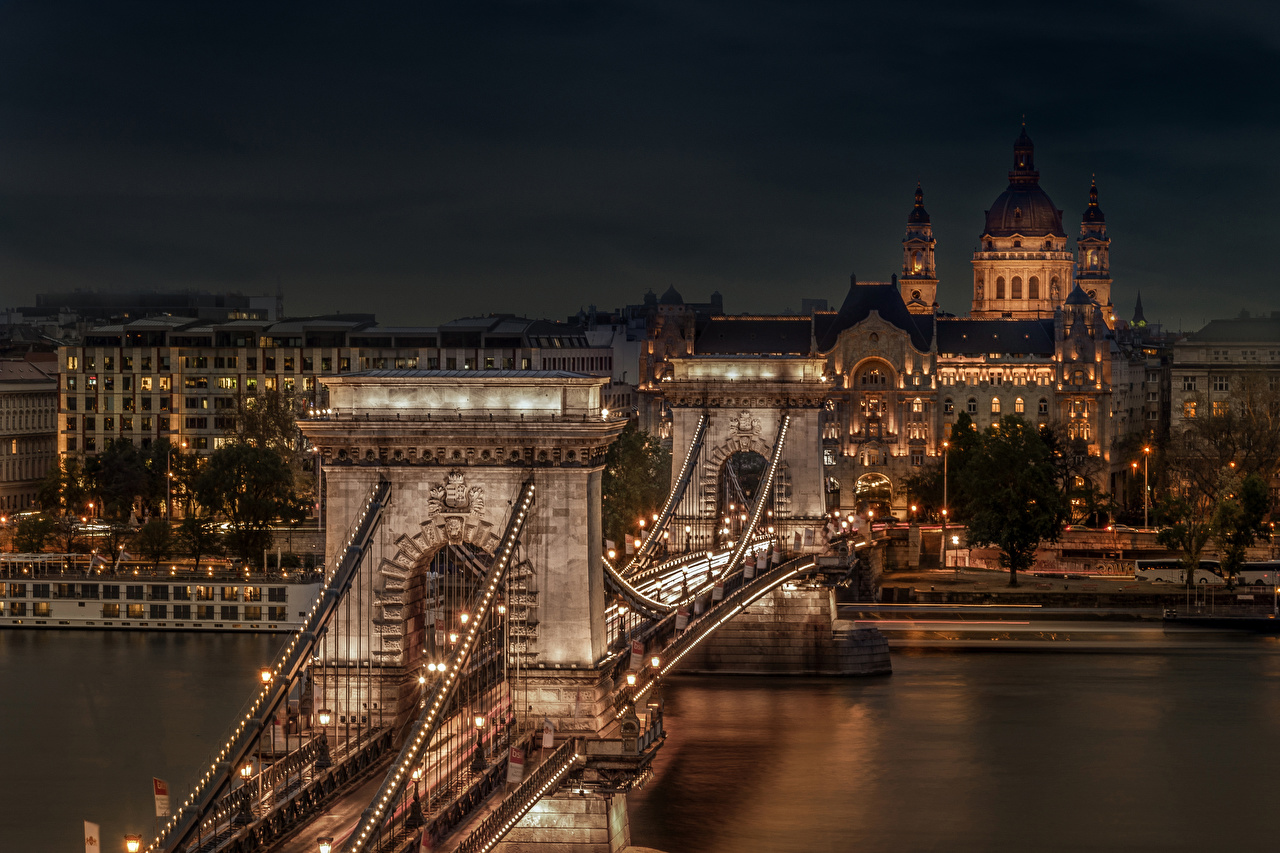
The Chain Bridge is a popular spot for tourists and locals alike, it offers a great view of the city and the Danube river, it’s a great spot for photographers and visitors looking for a peaceful stroll. The bridge is also a popular spot for festivals and events, such as the Budapest Wine Festival, which is held on the bridge every September.
The Chain Bridge is also a key transportation link in the city and is used by both cars and pedestrians. It is also a stop on the city’s tram line, as well as a bike-rental station. It is considered one of the most iconic landmarks of Budapest and a symbol of the city.
Danube Shoes
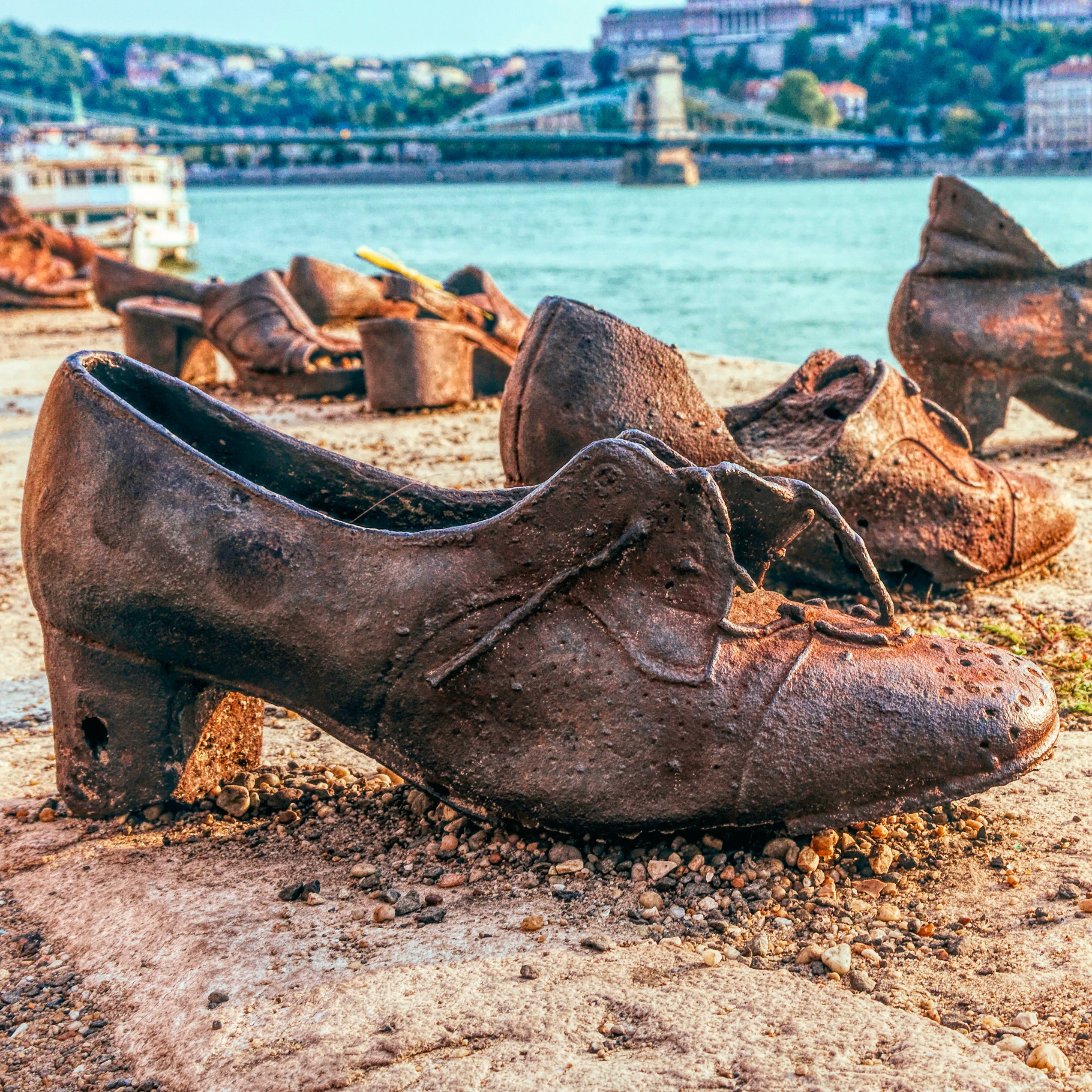
“Danube Shoes” is a sculpture installation located in the Danube River in Budapest, Hungary. It is a series of cast-iron shoes, placed on the riverbank, to commemorate the Jewish victims of the Holocaust who were shot and thrown into the river by Arrow Cross militiamen during World War II.
The sculpture was created by the Hungarian artist Can Togay and the Hungarian-Israeli artist Gyula Pauer in 2005. It consists of 60 pairs of iron shoes, representing men, women, and children, and arranged on the riverbank. The shoes are made of iron and are placed on the embankment of the Danube River, facing the water, as a symbol of the victims who were shot and thrown into the river by the Arrow Cross, the Hungarian fascist party during the War.
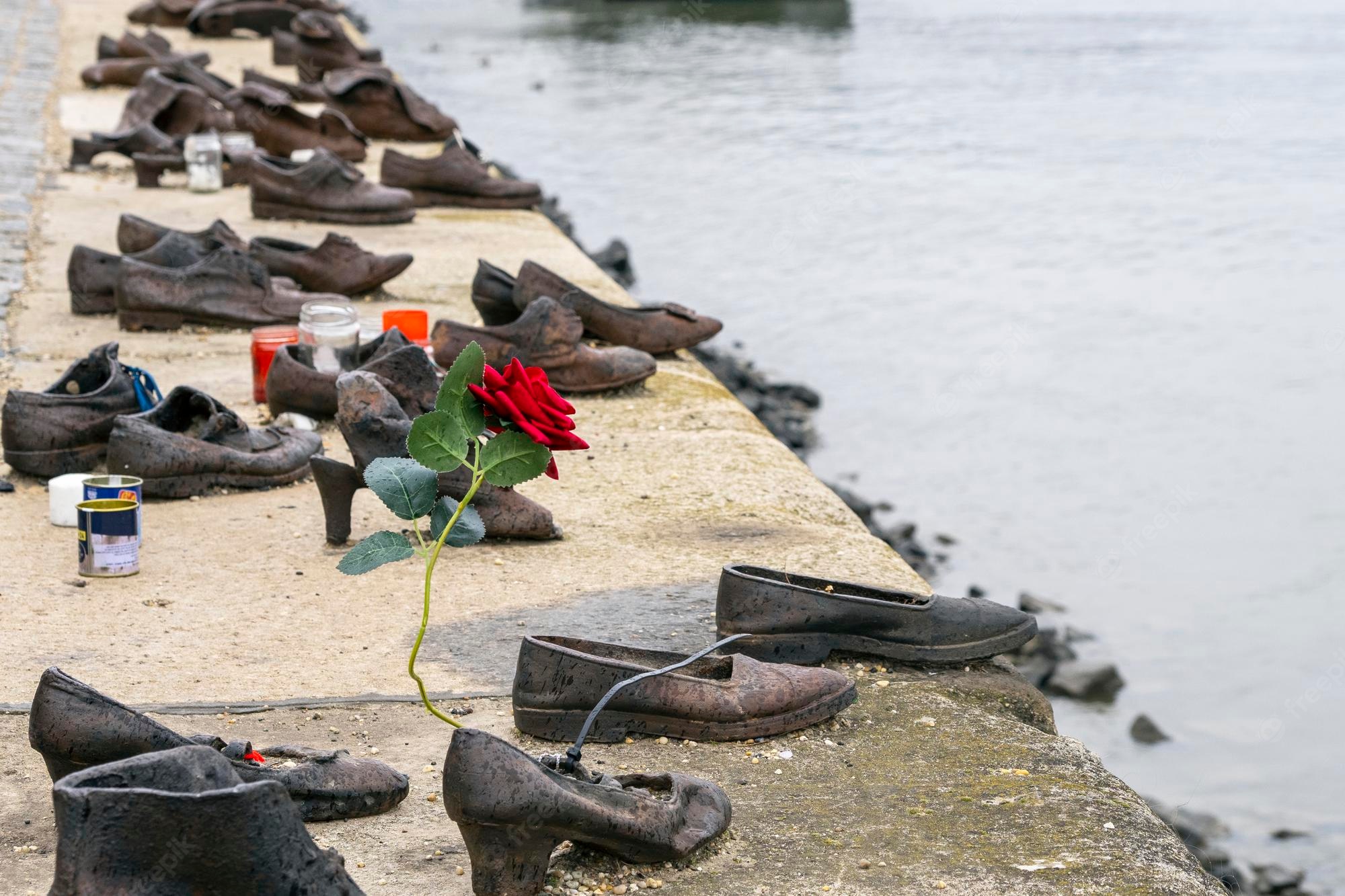
The installation serves as a powerful and poignant reminder of the atrocities committed during the Holocaust, and it is a powerful statement on the importance of remembering the past and standing against hate and intolerance.
The sculpture has become a popular tourist destination and a place of pilgrimage for many, it is a place for reflection, and a reminder of the tragic history of the Holocaust. It is located at the Pest side of the river, near the Hungarian Parliament Building and St. Stephen’s Basilica. Visitors can walk along the riverbank to view the installation and take a moment to remember the victims of the Holocaust.
The Ruin Bars
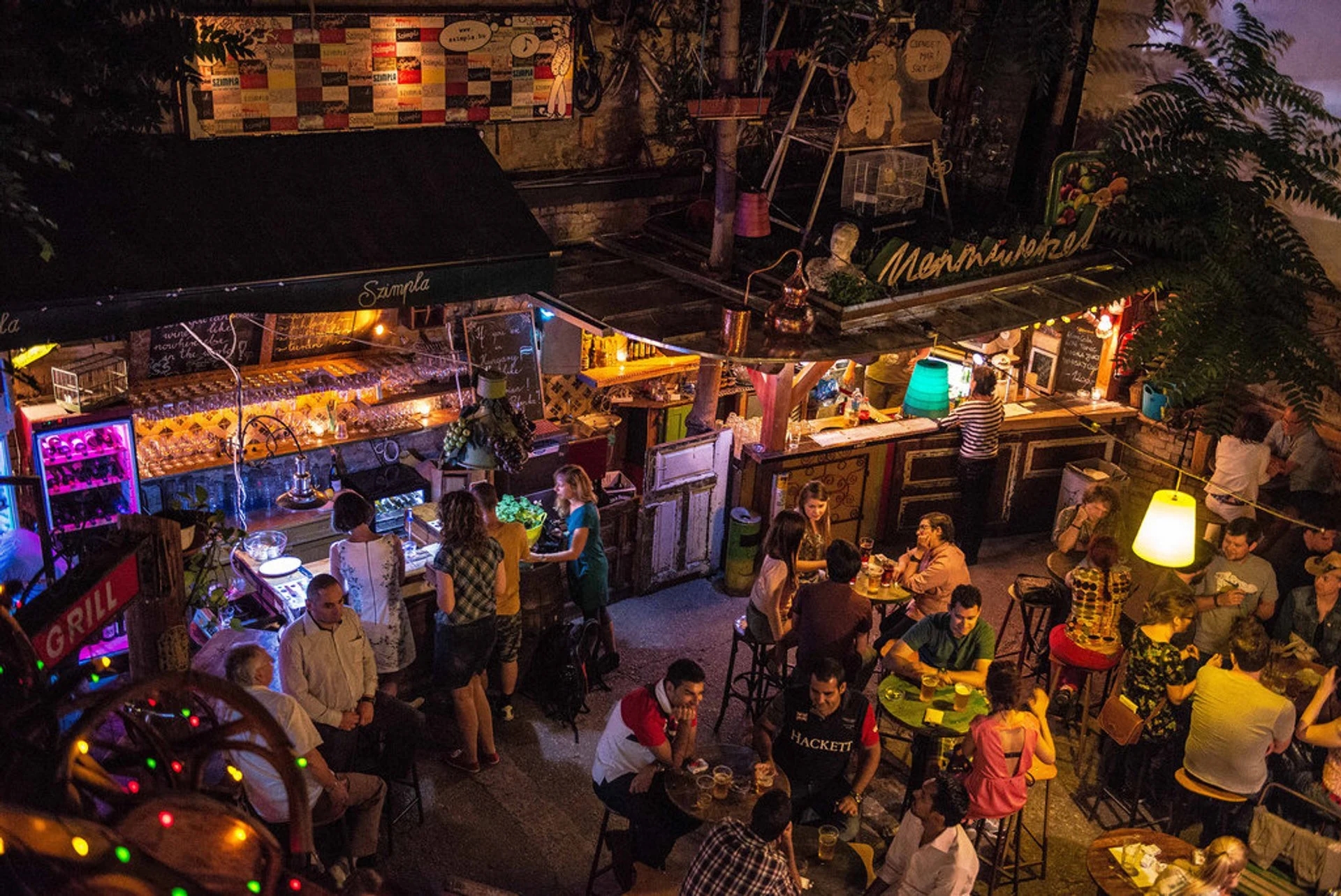
Ruin bars, also known as “romkocsma” in Hungarian, are a unique type of bar and nightlife venue located in the city of Budapest, Hungary. They are typically set up in abandoned or rundown buildings, such as former factories, warehouses, or apartment buildings, and are known for their eclectic and bohemian atmosphere.
The first ruin bar, Szimpla Kert, opened in 2002, since then many more ruin bars have opened in the city, each with their own unique style and atmosphere. The bars often feature a mix of vintage and reclaimed furniture, graffiti and street art, and an overall eclectic and bohemian vibe. Many of the bars also feature outdoor seating areas, live music, and a variety of food and drink options.
The ruin bars have become a popular destination for tourists and locals alike, and are considered to be a symbol of the city’s vibrant nightlife. They are known for their laid-back and relaxed atmosphere, and are a great place to meet new people and try new things.
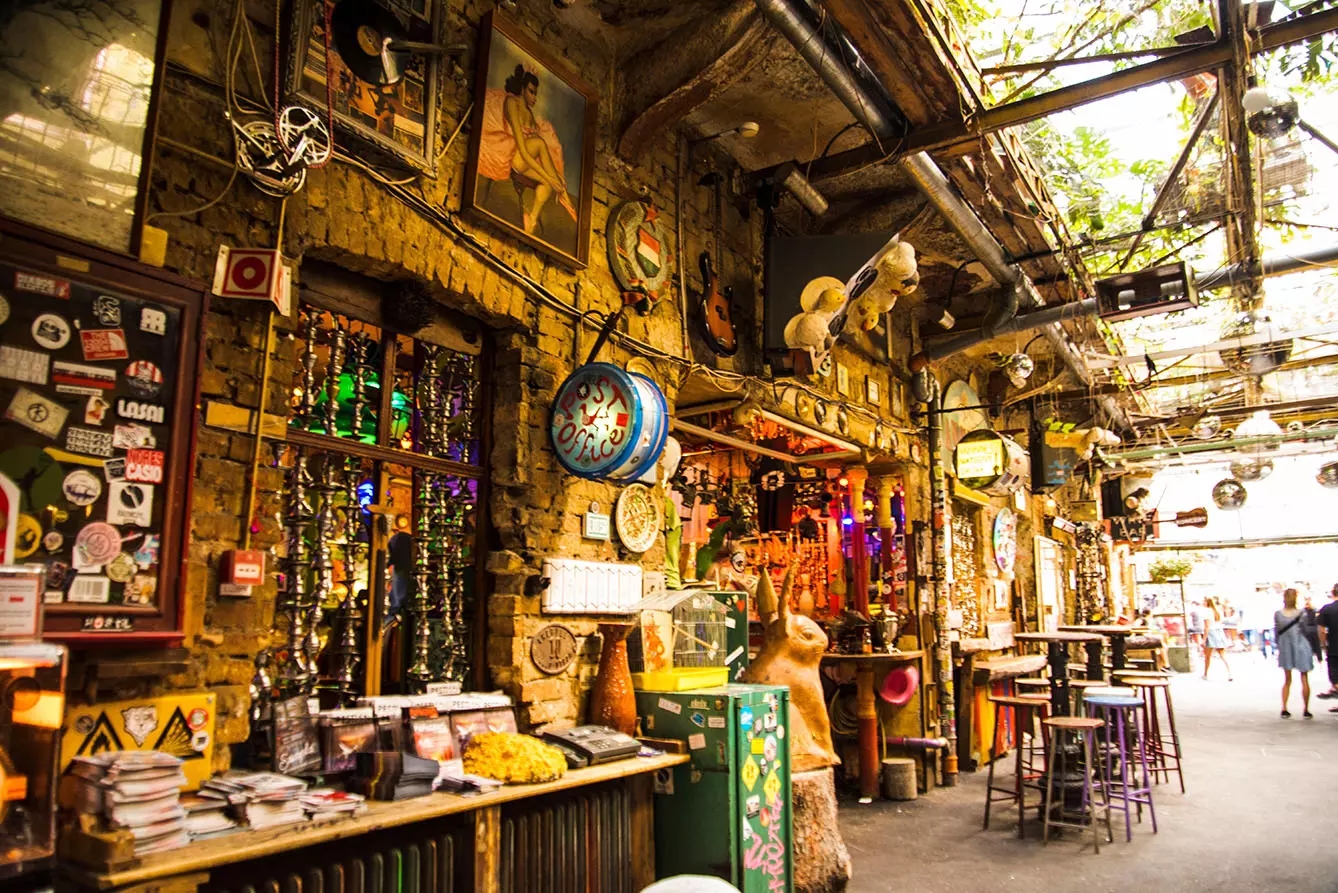
The ruin bars are located in the city’s 7th district, also known as the “Party District” or “Jewish District” and are spread around different streets such as Kazinczy, Akácfa, and Dob streets, where visitors can explore and discover the bars, and enjoy a drink or two in a unique and relaxed atmosphere.
Visitors should note that the ruin bars can get quite crowded, especially on weekends, so it’s advisable to arrive early or make a reservation if possible. Also, the bars are not just for drinking, many of them have food options, and some of them even have art galleries or live music performances.
Try the Local Street Food: Chimney Cake, Goulash and Langosh
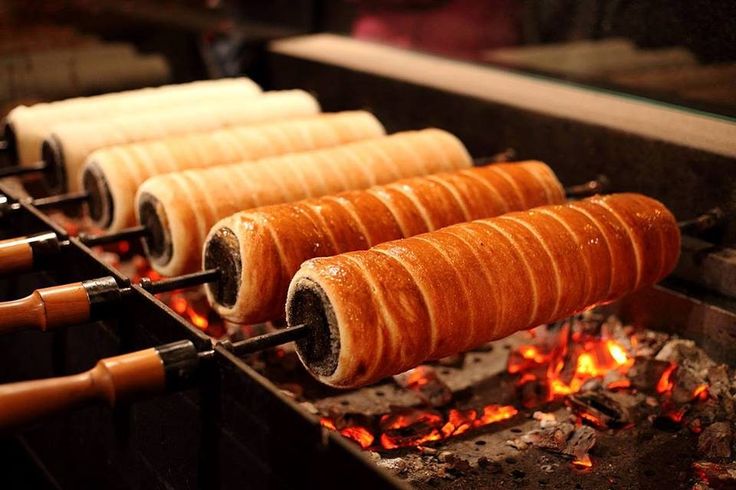
Chimney Cake is a traditional Hungarian pastry made from dough that is wrapped around a cylinder-shaped baking spit and then roasted over an open flame. It is coated with a mixture of cinnamon and sugar or various toppings such as cocoa powder, nuts, or seeds. It is also known as “Kürtőskalács” in Hungarian, and it’s a popular street food in Budapest, you can find vendors selling them in many places around the city.

Goulash is a traditional Hungarian stew made with beef or pork, onions, paprika, and other spices. It is typically served in a bowl with bread or dumplings on the side. It is considered to be the national dish of Hungary and is a popular street food in Budapest. It is also a traditional food and can be found in most Hungarian restaurants.
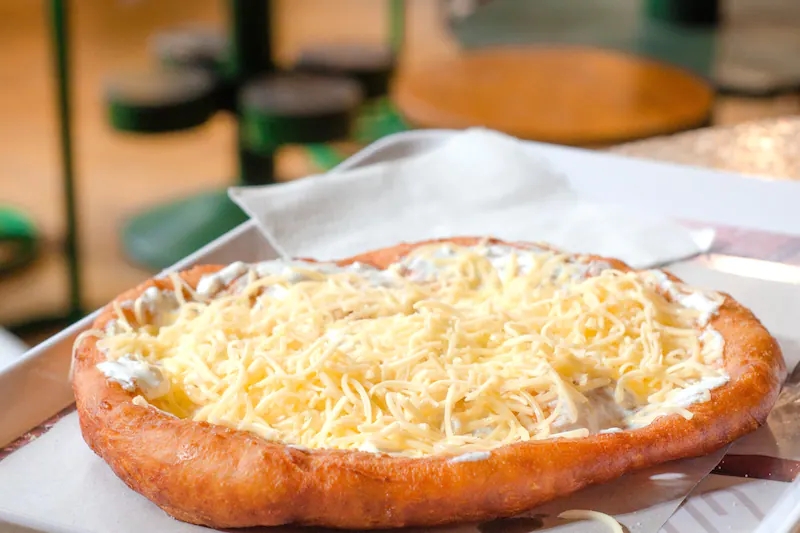
Langosh is a traditional Hungarian deep-fried dough, similar to a doughnut. It is made from a simple dough of flour, yeast, and water, which is deep-fried and then topped with a variety of sweet or savory toppings such as sour cream, cheese, or garlic butter. It is a popular street food in Budapest and can be found at many street vendors and food stands throughout the city.
All three street food options are delicious and will give you a taste of traditional Hungarian cuisine while visiting Budapest. They are also relatively cheap and easy to find, and will give you a chance to try some of the local specialties in a relaxed and casual setting.
Check out to get more inspired…