Bonn is a charming city with a rich history and a vibrant cultural scene. It is home to a number of important historical and cultural sites, including the Beethoven House, where the famous composer was born, and the Bonn Minster, a Gothic church dating back to the 12th century. The city also has a number of excellent museums, including the Bundeskunsthalle, which houses an extensive collection of art and artifacts from around the world, and the Museum Koenig, which is dedicated to natural history.
In addition to its cultural heritage, Bonn is also a major center for higher education and research. It is home to several universities, including the University of Bonn, which is one of the oldest and most prestigious universities in Germany. The city is also home to a number of research institutes, including the Max Planck Institute for Radio Astronomy and the Fraunhofer Institute for Open Communication Systems.
The city also offers a vibrant nightlife and a wide range of shopping and dining options. There is a large variety of restaurants, cafes and bars that offer a diverse range of cuisine, from traditional German dishes to international fare. Bonn also has a bustling nightlife scene, with plenty of bars and clubs to choose from.
DRACHENBURG CASTLE
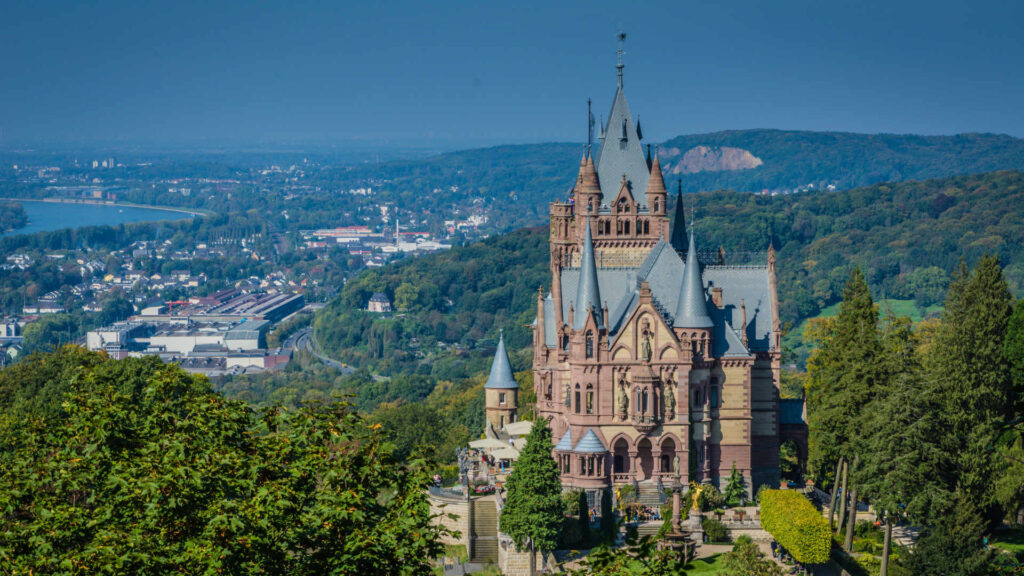
Drachenburg Castle is a 19th century castle located in the town of Königswinter, just outside of Bonn, Germany. The castle was built by a wealthy businessman, Baron Stephan von Sarter, in the late 19th century. It was intended as a private residence, but was never actually lived in by the Baron.
The castle is a beautiful example of neo-Gothic architecture and features a variety of towers, turrets, and battlements. Inside, visitors can explore the castle’s grand halls and rooms, which are filled with rich furnishings and decor. There are also several exhibitions and displays that provide information about the castle’s history and the life of Baron von Sarter.
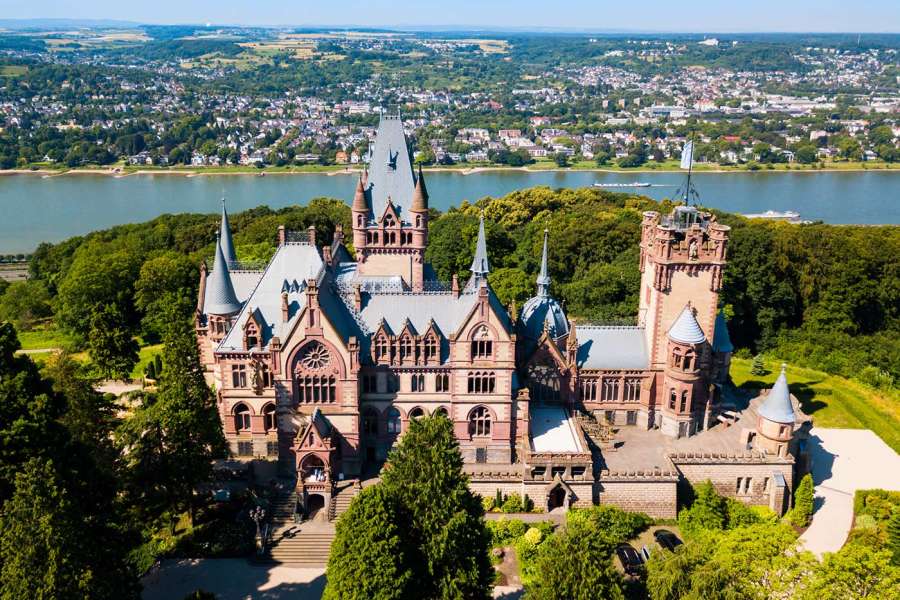
Drachenburg Castle also features a terraced garden that offers panoramic views of the surrounding landscape. The garden is a popular spot for visitors to relax and enjoy the scenery, and there are several walking trails that lead through the surrounding woods.
The castle is easily accessible by public transport, the castle is served by a cable car, and is open to the public year-round. Guided tours of the castle are also available, providing visitors with an opportunity to learn more about its history and architecture. Read more what to do and how to get there in DRACHENBURG CASTLE
CHERRY BLOSSOM AVENUE
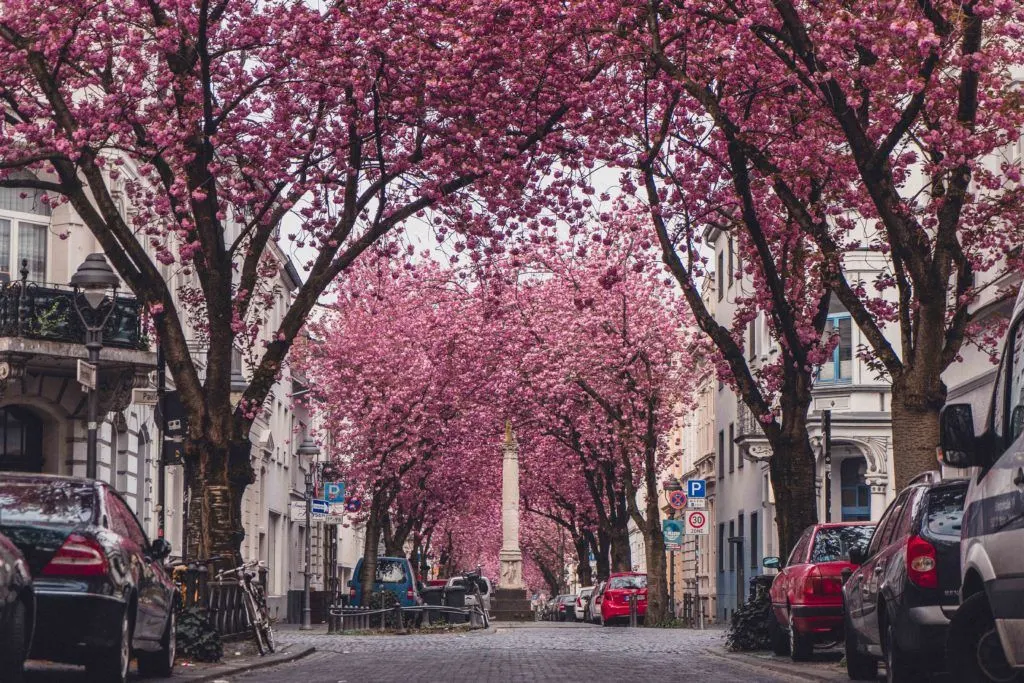
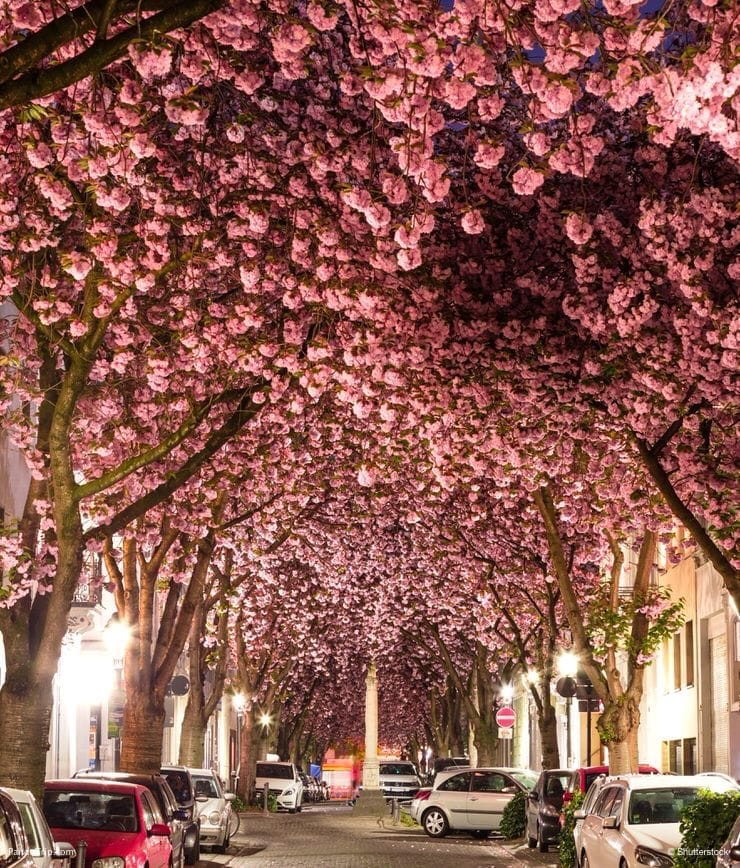
The Cherry Blossom Avenue in Bonn, Germany is a popular tourist attraction and a must-see for visitors to the city in spring. It is a section of the Rhine riverbank promenade that is lined with cherry blossom trees. The trees typically bloom in April, and during this time the avenue is a beautiful sight to behold, with the cherry blossoms in full bloom, creating a picturesque pink and white canopy overhead.
The Cherry Blossom Avenue is a popular spot for locals and tourists alike. Many people come to take a stroll along the promenade and admire the cherry blossoms, and it’s common to see people taking photos and enjoying picnics under the trees. The atmosphere is lively and joyful, and the avenue is often crowded during the blooming season.
The Cherry Blossom Avenue is located in the city center, between the Kennedy Bridge and the Alte Zoll road bridge. It is easily accessible by public transportation, and there are several parking lots nearby. The blossoms typically last for about two weeks, so it’s best to plan your visit accordingly if you want to see them in full bloom.
BEETHOVEN HAUS
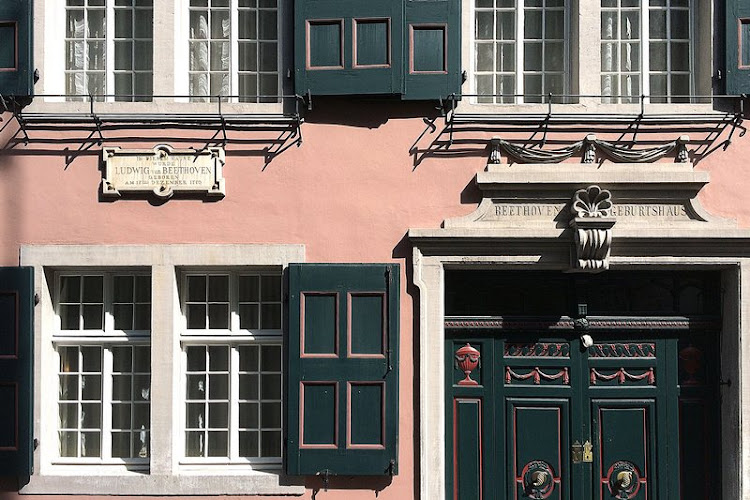
The Beethoven Haus in Bonn, Germany is a museum dedicated to the life and work of the famous composer Ludwig van Beethoven. The house where Beethoven was born in 1770 was turned into a museum in 1889, making it one of the oldest music museums in the world.
The museum’s collection includes original manuscripts, letters, and personal items belonging to Beethoven, as well as a large collection of first editions of his music. Visitors can also see a replica of the composer’s living quarters, which gives an idea of how he would have lived and worked. The museum also has a research library and an auditorium, where regular concerts and events are held.
The Beethoven Haus is located in the city center of Bonn, close to the Rhine river and the old town. It is easily accessible by public transport and there are several parking facilities nearby. Visitors can take guided tours of the museum, which provide an in-depth look at the composer’s life and work. The museum also has a gift shop and a café, where visitors can take a break and enjoy a drink or a snack.
POPPELSDORF PALACE
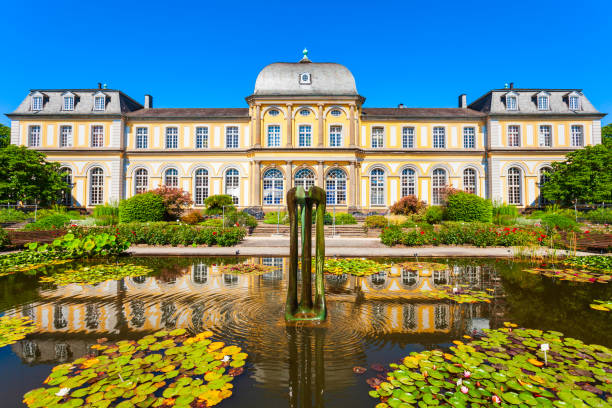
Poppelsdorf Palace, also known as Schloss Poppelsdorf, is a palace located in the city of Bonn, Germany. It was built in the 18th century and was used as a residence for the Elector and Archbishop of Cologne. The palace is a fine example of the rococo architecture style.
The palace was mostly destroyed during the second world war and rebuilt in the 1950s, it currently serves as the main building of the University of Bonn’s Botanical Garden, which is one of the oldest botanical gardens in Germany. The palace contains exhibition rooms, laboratories, and classrooms.
The palace is open to the public, visitors can explore the palace’s grand halls, gardens and the Botanical Garden. Guided tours of the palace and garden are also available. The palace is easily accessible by public transport, and there are several parking facilities nearby.
BONN MINSTER
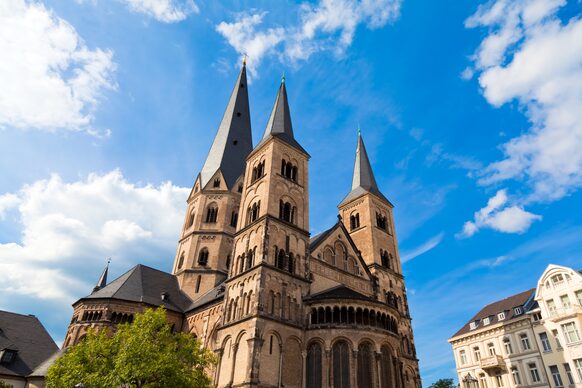
Germany. The building dates back to the 12th century, and is considered one of the most important examples of Romanesque architecture in the region. The Minster’s impressive façade is decorated with intricate carvings and sculptures, and the interior is adorned with beautiful frescoes and stained glass windows.
The church has undergone several renovations and additions over the centuries, with the most significant being in the 18th and 19th centuries. During this time, the Minster was expanded and given a more Baroque-style interior. The most notable feature of the interior is the high altar which was created by the famous German sculptor, Peter von Cornelius.
OLD TOWN HALL
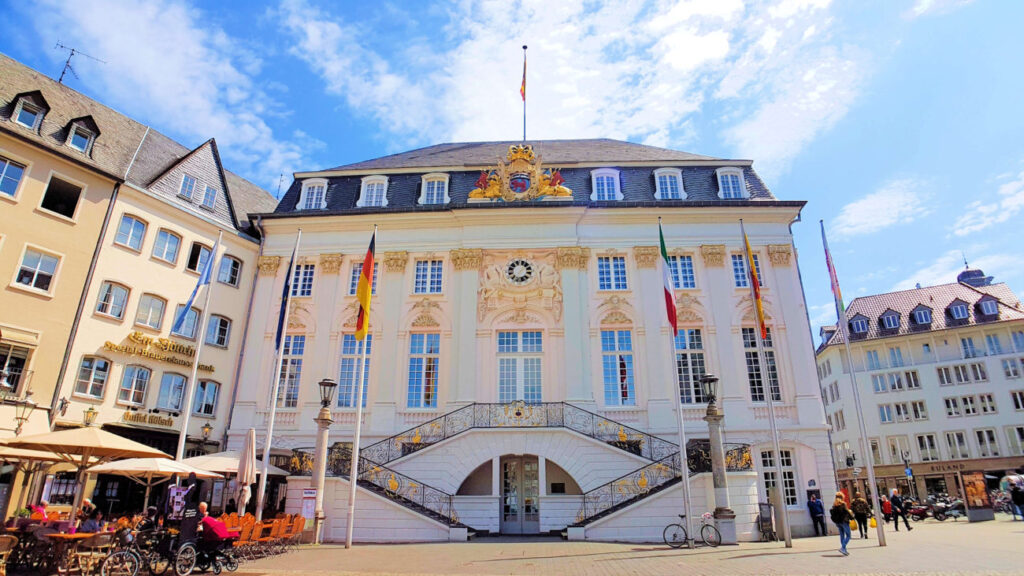
he Old Town Hall in Bonn, Germany is a historic building located in the city center. It was built in the 16th century in the Renaissance style and served as the city’s main administrative center for many years. The building is a striking example of the architectural style of the period, with ornate facades and a tall clock tower that dominates the city’s skyline.
The Old Town Hall is a three-story building, with a grand entrance on the ground floor and a large central hall on the upper floors. The hall is decorated with frescoes and paintings, and contains a variety of historical artifacts, including a 17th-century astronomical clock. The clock tower, which stands at a height of about 50 meters, houses a carillon of 48 bells, which chime every hour.
The Old Town Hall also has a beautiful Renaissance courtyard, which is open to the public. The courtyard is surrounded by arcades and is adorned with sculptures, fountains, and other decorative elements.
MUSEUM KOENIG
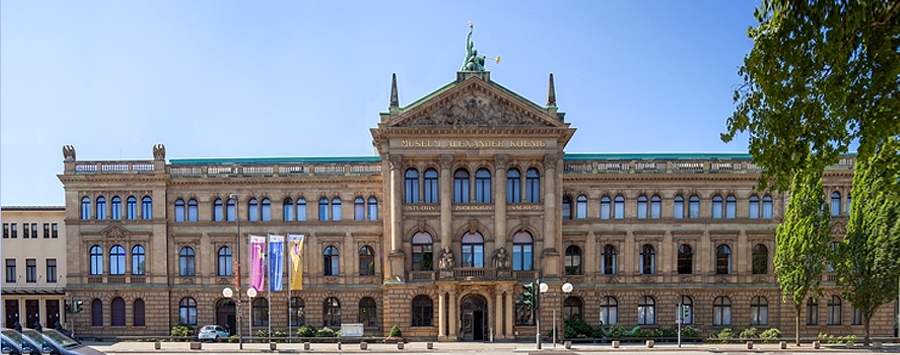
The Museum Koenig is a natural history museum located in Bonn, Germany. It is one of the most important natural history museums in the country and is home to a wide variety of specimens, including fossils, minerals, and live animals.
The museum was founded in 1820 and was originally housed in the city’s town hall. It was later moved to a new building, which was specifically designed to house the museum’s collections. The building is located in the city center and is easily accessible by public transportation.
The museum has a wide variety of exhibits, including a large collection of fossils from the Eifel region, including the famous fossils of the Archaeopteryx. The museum also has a significant collection of minerals, including crystals and gemstones, as well as a large collection of live animals, including insects, reptiles, and amphibians.
BOTANICAL GARDEN
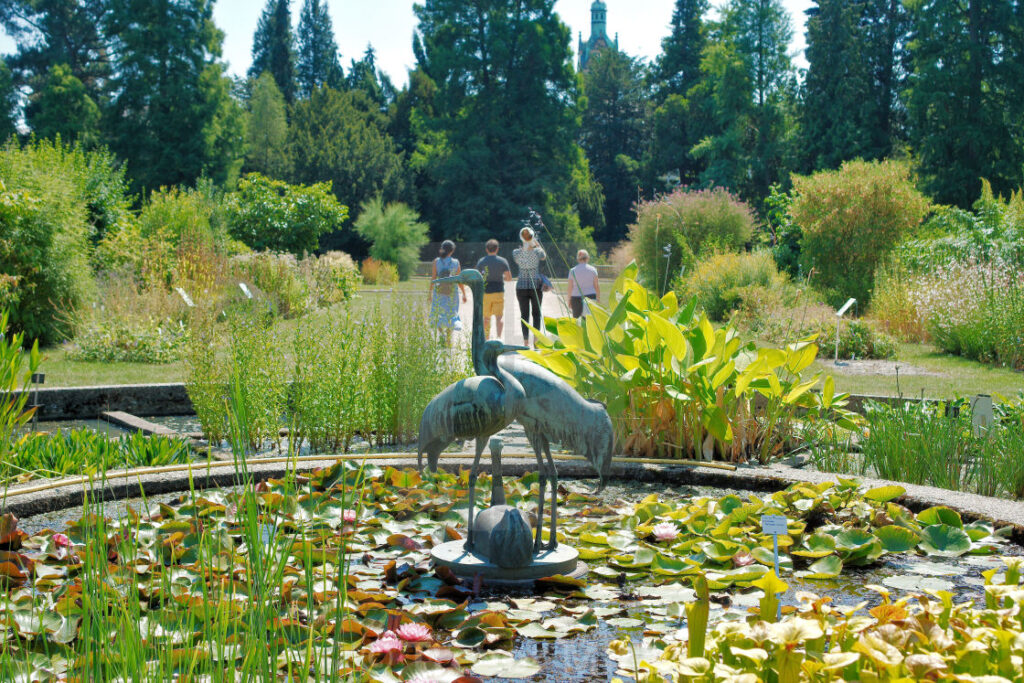
The Botanical Garden in Bonn, Germany is a beautiful and diverse garden that is dedicated to the cultivation, study and conservation of plants. It is one of the oldest botanical gardens in Germany, having been founded in 1818 by the University of Bonn. The garden is located in the heart of the city, and is easily accessible by public transportation.
The garden covers an area of around 33 hectares and is home to a wide variety of plants from all over the world, including a large collection of tropical plants, cacti and succulents, and Mediterranean plants. The garden also has a number of specialized gardens and greenhouses, including a rock garden, a palm house and a tropical greenhouse.
The Botanical Garden is also home to a number of research and educational facilities, including a herbarium, a library and a laboratory. The garden also offers a variety of educational programs for school groups and other organizations.
KUNSTMUSEUM BONN
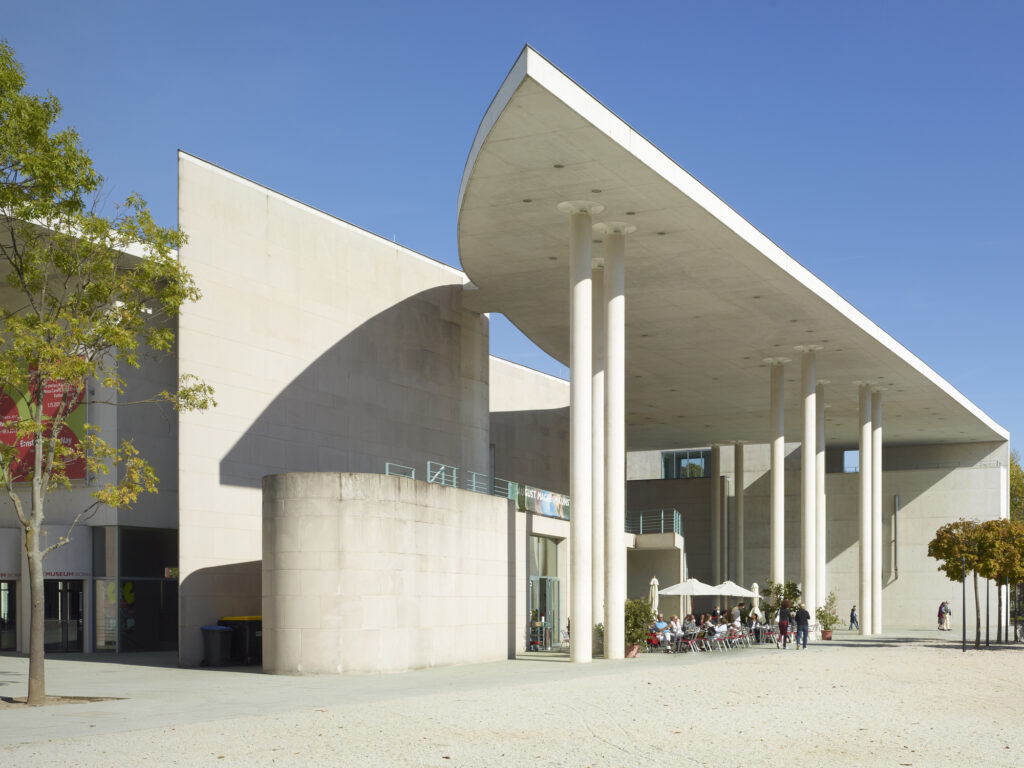
he Kunstmuseum Bonn is an art museum located in Bonn, Germany. It is one of the most important art museums in the region and is home to a wide variety of works of art from different periods and styles.
The museum was founded in 1883 and has a collection of over 20,000 works of art, including paintings, sculptures, graphic art and decorative art. The collection spans from the Middle Ages to contemporary art, with a strong focus on German art. The museum also has a number of temporary exhibitions throughout the year, which showcase the works of both well-known and emerging artists.
The museum’s permanent collection is divided into several galleries, each dedicated to a different period or style of art. Some of the highlights of the collection include works by famous German artists such as Franz von Lenbach, Max Ernst, and Joseph Beuys. The museum also has a collection of international art, including works by Vincent van Gogh, Paul Cézanne, and Edvard Munch.
HAUS DER GESCHICHTE BONN
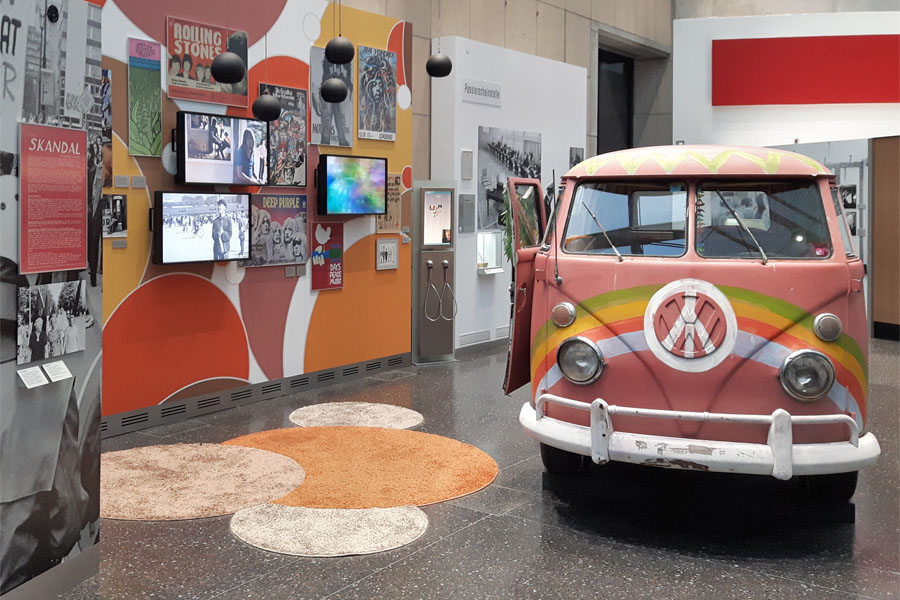
The Haus der Geschichte (House of History) in Bonn, Germany, is a museum that focuses on the history of Germany from the end of World War II to the present day. The museum is located in the city center and is easily accessible by public transportation.
The museum was founded in 1987 and has a collection of over 600,000 objects, including photographs, documents, and artifacts that tell the story of Germany’s history. The permanent exhibits are divided into several themes, including the division of Germany during the Cold War, the rise and fall of the Berlin Wall, and the reunification of East and West Germany.
The museum also has a number of temporary exhibitions throughout the year, which explore different aspects of German history. These exhibitions are often interactive, and use a variety of multimedia tools to bring the history to life.
The Haus der Geschichte also offers a variety of educational programs for schools and other groups. These programs are designed to help visitors of all ages understand and appreciate the history of Germany. The museum has a library which contains a wide range of books and journals on German history and culture.