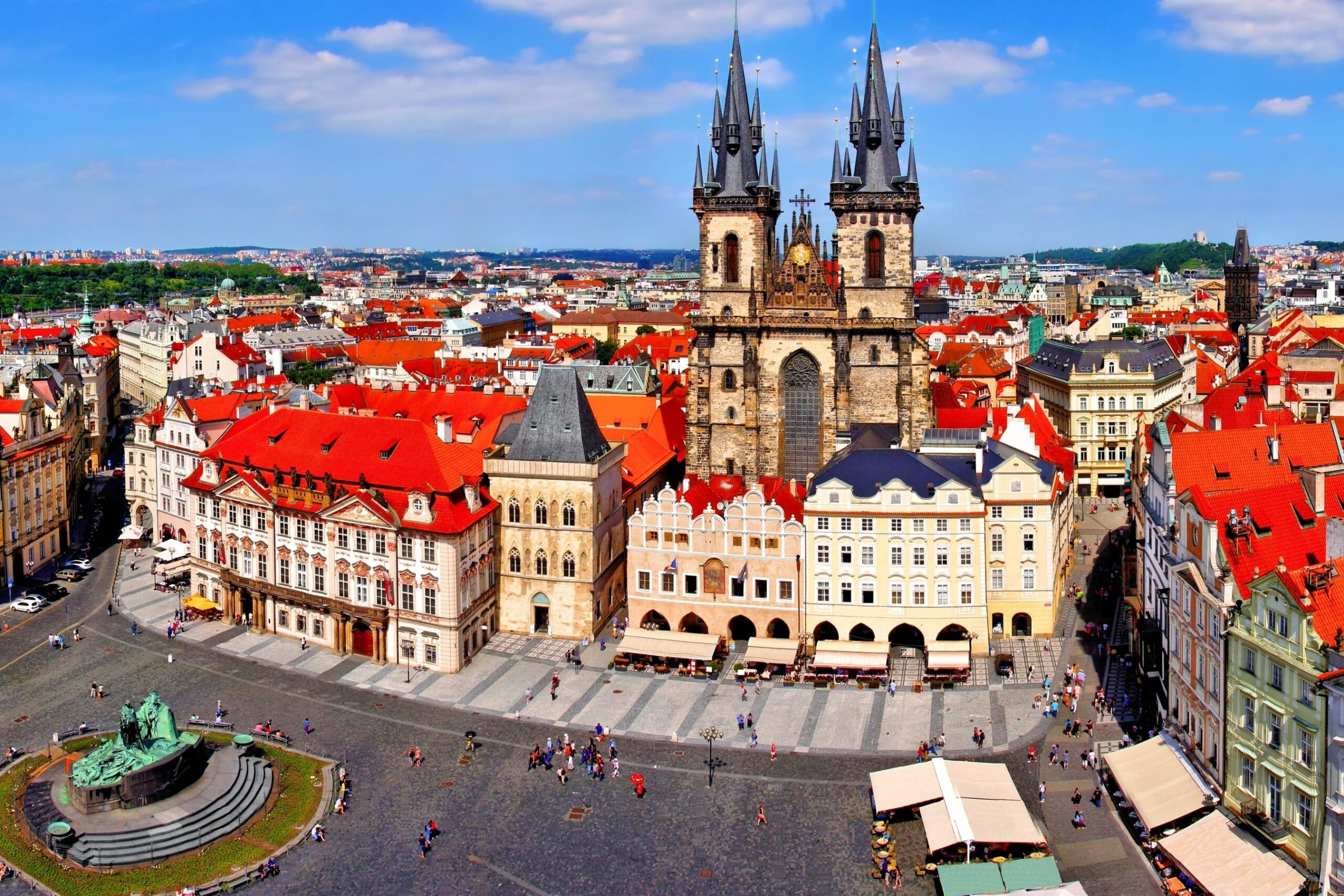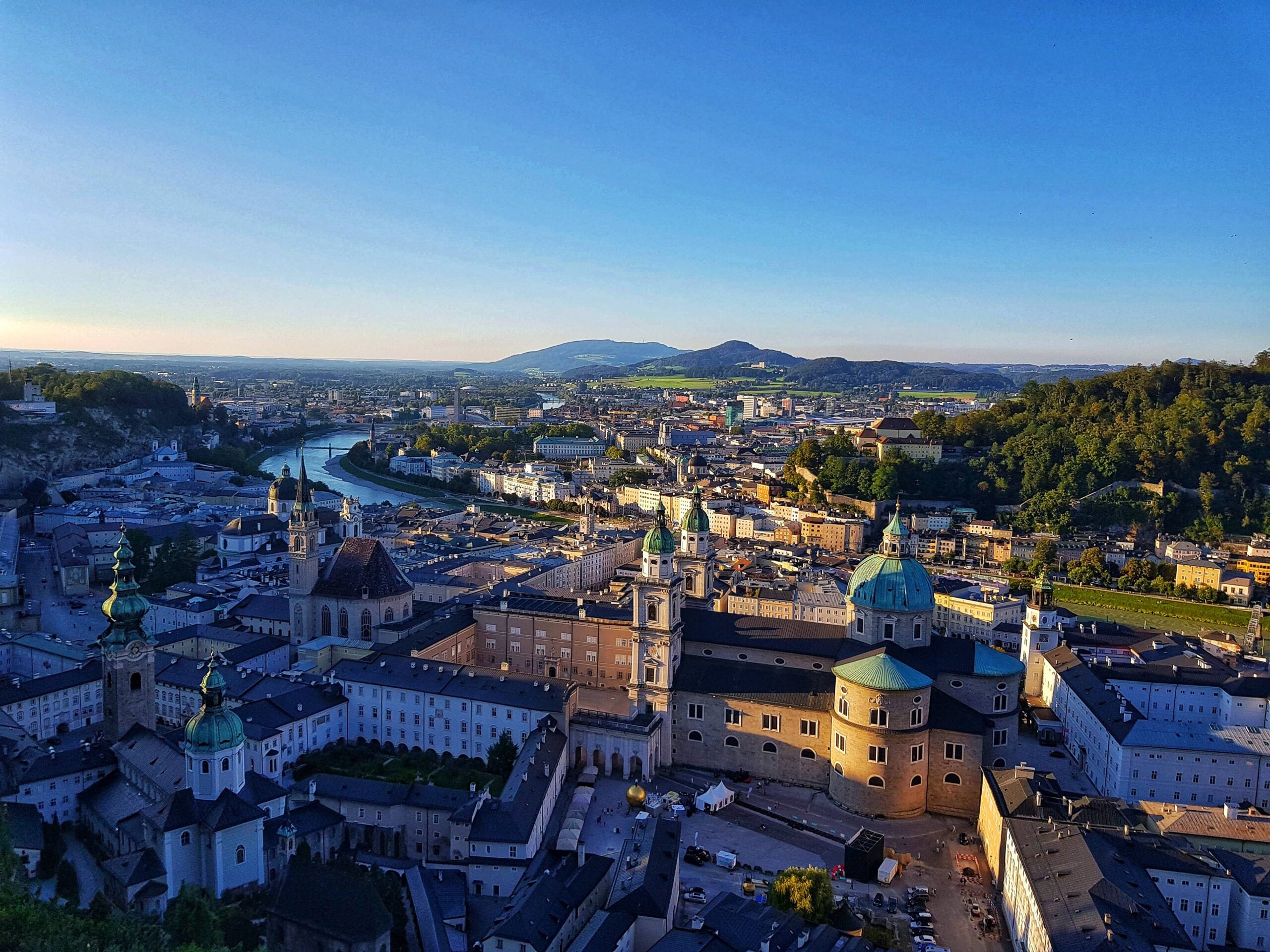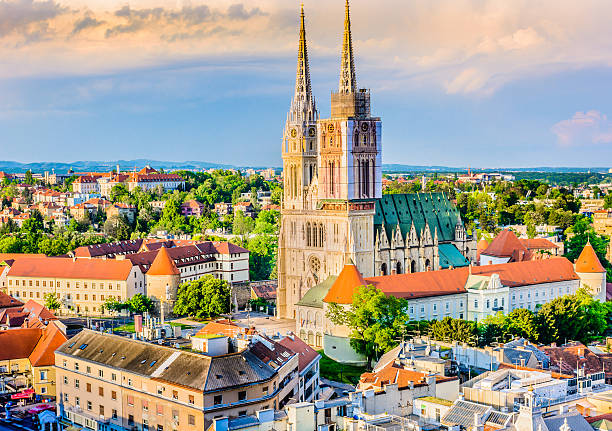
Zagreb has a rich history, dating back to Roman times. The city’s Old Town, also known as “Gradec and Kaptol,” is home to many historic landmarks, including the Gothic St. Mark’s Church, the Baroque Church of St. Catherine, and the medieval Stone Gate. The city also boasts several museums, including the Croatian Museum of Naive Art and the Museum of the City of Zagreb, which provide insight into the city’s past and present.
The city is also known for its parks and gardens, including the Maksimir Park, which is the oldest public park in Croatia, and the Botanical Garden, which is home to over 10,000 plant species. Additionally, Zagreb is also a popular destination for shopping and dining, with many markets, shops, and restaurants located throughout the city.
Zagreb also has a vibrant cultural scene, with many theaters, galleries, and music venues. The city is home to the Croatian National Theater and the Zagreb Philharmonic Orchestra, as well as many smaller theater and music groups. Overall, Zagreb is a diverse and exciting city with much to offer visitors.
Jelacic Square
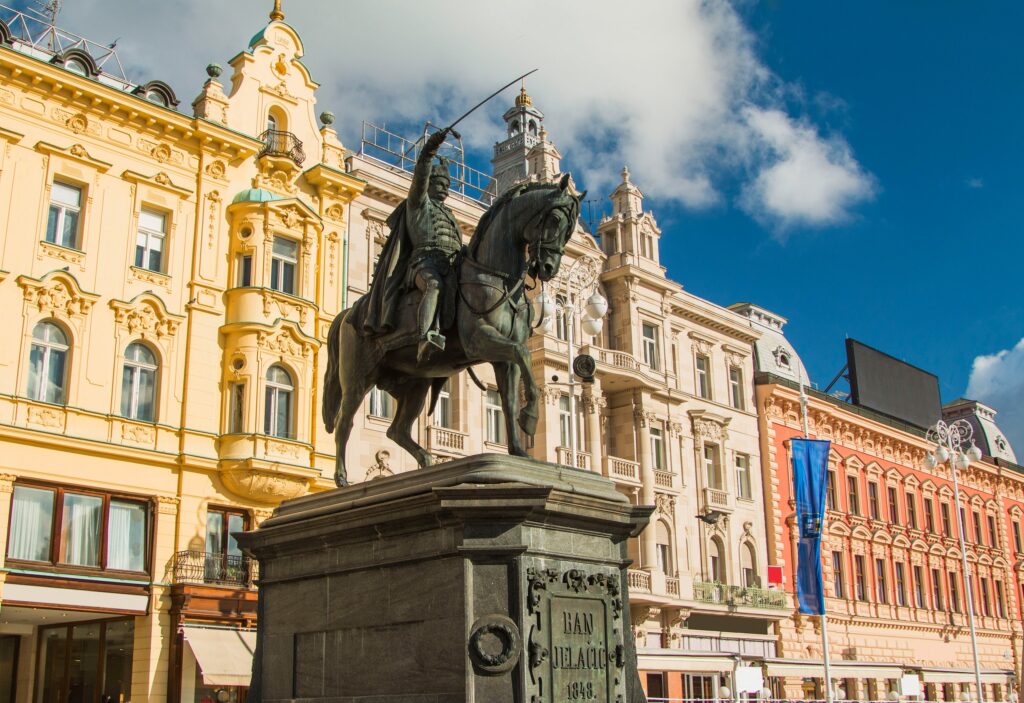
Jelacic Square, also known as Trg bana Jelacica, is the main square in the city of Zagreb, Croatia. It is located in the heart of the city, and is considered the central hub of Zagreb’s social and political life. The square is named after Josip Jelacic, a 19th-century Croatian general and politician who played an important role in the country’s history.
The square is surrounded by many historic buildings, including the Gothic-style St. Mark’s Church, the Art Nouveau building of the Croatian National Theater, and the neo-Renaissance palace that now houses the Croatian Government. The square also features a statue of Jelacic on horseback, which was erected in 1866 as a tribute to his role in Croatian history.
Jelacic Square is also a popular gathering place for locals and tourists alike, and is often the site of festivals, fairs, and other events. On a daily basis, the square is bustling with street vendors and street performers, cafes, restaurants and shops.
Zagreb Cathedral
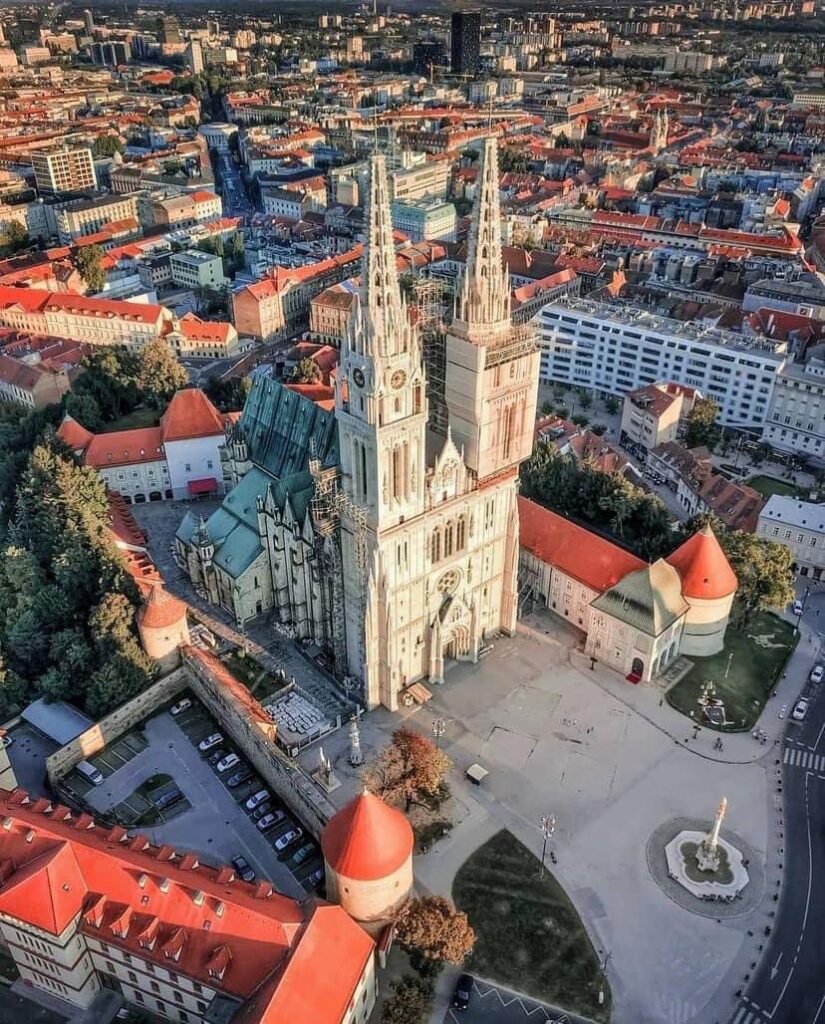
The Zagreb Cathedral, officially known as the Cathedral of the Assumption of the Blessed Virgin Mary, is a Roman Catholic cathedral located in the heart of Zagreb, Croatia. It is the tallest building in the city and serves as the principal church of the Archdiocese of Zagreb. The cathedral is also the final resting place of several Croatian kings and bishops.
The cathedral has a long history, dating back to the 11th century. The current structure, however, is a combination of Gothic and Renaissance styles and was built in the 13th century. The Cathedral has been damaged and renovated over the centuries, and most of the present-day structure dates back to the 19th century.
The interior of the cathedral is richly decorated with frescoes, sculptures, and works of art, including a painting of the Assumption of the Virgin Mary by Francesco da Santacroce, which is considered one of the most important works of art in Croatia. The cathedral also features several chapels, including the Chapel of St. John the Baptist, which contains the tomb of Blessed Aloysius Stepinac, the Archbishop of Zagreb during World War II.
The Zagreb Cathedral is open to visitors daily, and it is a must-see attraction for anyone visiting the city. The cathedral offers panoramic views over the city from the bell tower, which is open to the public.
St. Mark’s Church
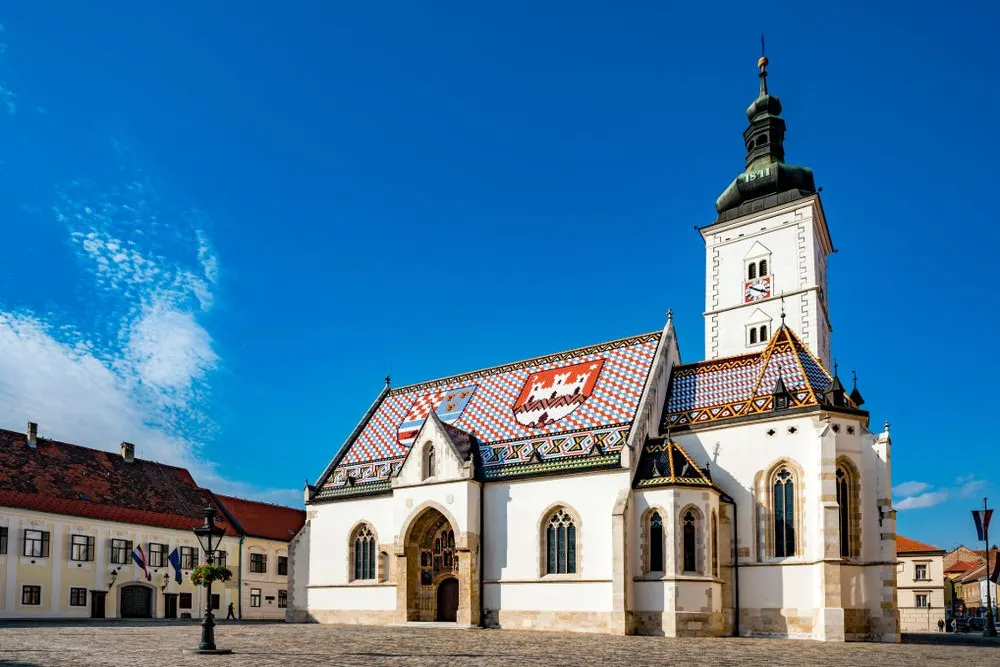
St. Mark’s Church (Crkva sv. Marka) is a Gothic-style church located in the historic district of Gradec in Zagreb, Croatia. It is one of the city’s most recognizable landmarks and is known for its colorful, tiled roof that features the coat of arms of Croatia, Dalmatia, and Slavonia.
The church was built in the 13th century and underwent several renovations and expansions over the centuries. The church was severely damaged in the 1880 Zagreb earthquake, but was rebuilt and restored to its original Gothic style. The church’s interior is also richly decorated with frescoes, sculptures, and works of art.
St. Mark’s Church is located on St. Mark’s Square (Trg sv. Marka), which is one of the most picturesque squares in Zagreb. The square is surrounded by historic buildings, including the Old City Hall, which now houses the Museum of the City of Zagreb, and the Baroque-style St. Catherine’s Church.
The church is open to visitors year-round and it is a popular spot for tourists and locals alike. The church is also a popular spot to take photos of the colorful tiled roof, which is unique in Zagreb and Croatia.
Archaeological Museum
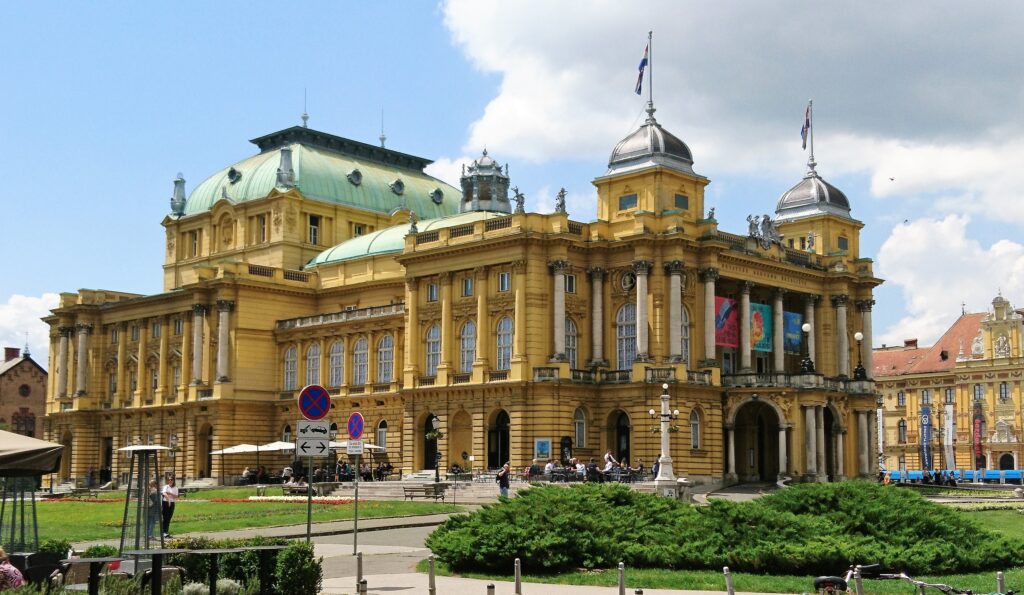
The Archaeological Museum in Zagreb, Croatia is a museum dedicated to the study and display of archaeological artifacts from the region. The museum’s collections include artifacts from the prehistoric and ancient periods, as well as from the medieval and modern eras. The museum also features temporary exhibitions and educational programs for visitors of all ages.
It was founded in 1836 and is the oldest museum of its kind in Croatia. The museum’s collections include over 400,000 artifacts, covering a wide range of periods and cultures. Some of the highlights of the collection include prehistoric tools and weapons, ancient Greek and Roman pottery.
Lotrscak Tower
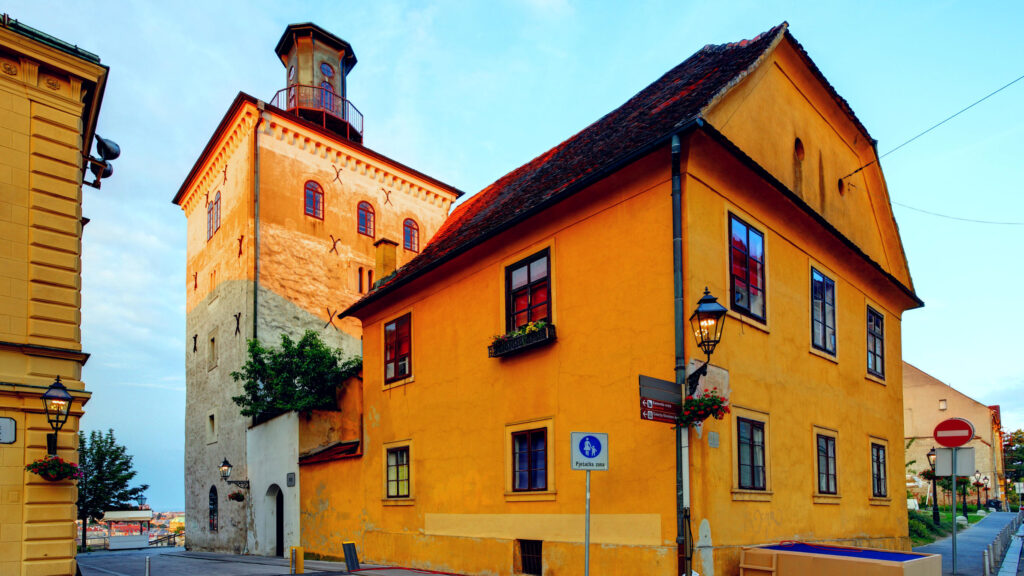
The Lotrščak Tower is a popular tourist attraction in Zagreb and is considered a symbol of the city. It is located in the historic Gornji Grad (Upper Town) district, which is a UNESCO World Heritage Site. The tower is cylindrical in shape and stands at a height of 26 meters. It has a distinctive red-tiled roof, and its walls are made of stone and brick.
One of the most notable features of the Lotrščak Tower is the cannon that is fired every day at noon. This tradition dates back to the 19th century and is a way to mark the time for the citizens of Zagreb. Visitors can witness the cannon firing and enjoy the view of the city from the tower’s terrace.
The tower also houses a small museum that tells the history of the tower and the city’s fortifications. Visitors can see various artifacts, such as weapons and tools that were used in the past. The museum also has a collection of photographs and documents that give an idea of the tower’s past.
The Lotrščak Tower is open to visitors all year round, though the timings may vary depending on the season. The admission fee is relatively low and the view from the top is well worth the price. Visitors can climb the tower’s spiral staircase to reach the terrace, where they can take in the breathtaking views of the city.
Market Dolac
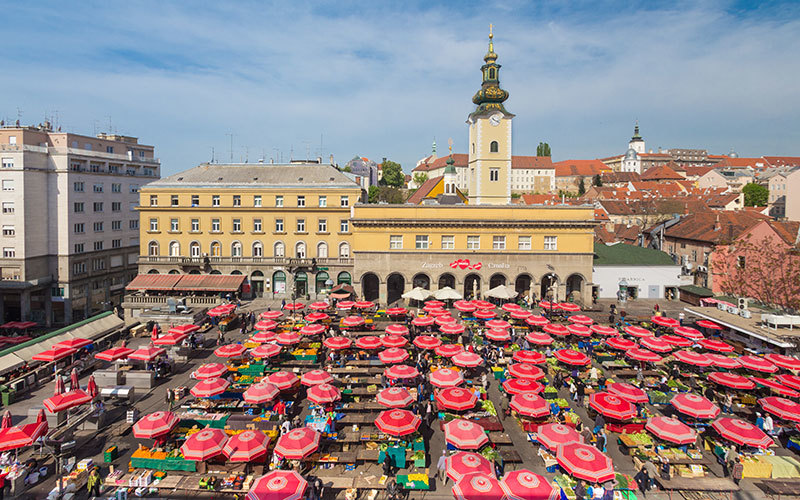
Dolac Market is a large open-air market located in the center of Zagreb, Croatia. It is considered one of the most famous and most visited markets in the city, and is known for its wide variety of fresh produce, meats, cheeses, and other local products. The market is situated in the Gornji Grad (Upper Town) district and is open daily, except Sundays.
The market is divided into two sections: the upper section, which is located on the square, and the lower section, which is located in a covered area beneath the square. The upper section is the more popular of the two and is where the majority of the vendors are located. Here you can find fresh fruits and vegetables, meats, cheeses, bread, and other local delicacies. The lower section is where you can find fish, flowers, and other items.
The Dolac Market is also known for its vibrant atmosphere and is a great place to experience the local culture. You can see vendors selling their products and locals doing their daily shopping. Many vendors have been selling their products for generations, and the market has a real community feel to it.
Visitors can also find souvenirs, traditional Croatian costumes, and even handmade crafts in the market. Dolac market is a must-see for anyone visiting Zagreb and is a great way to experience the local culture and taste the local produce.
Stone Gate
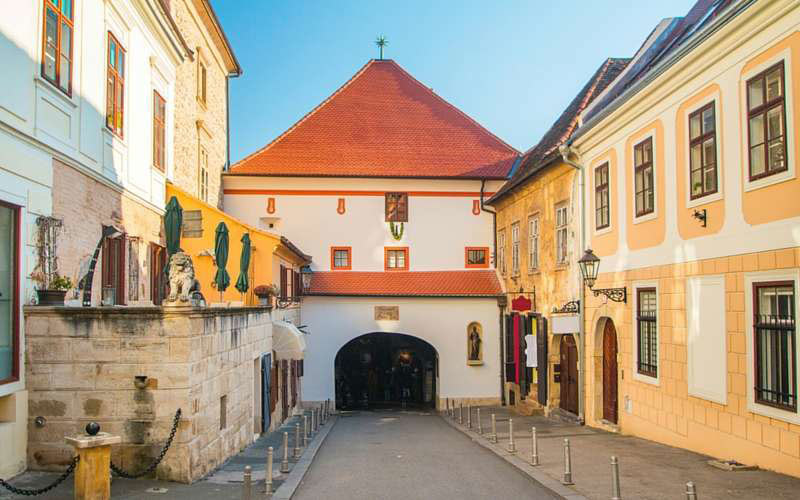
The Stone Gate is a historic monument in Zagreb, Croatia. It is located in the Gornji Grad (Upper Town) district and is considered one of the most important landmarks of the city. The gate is a Gothic structure that was built in the 13th century and is the only remaining gate from the medieval fortifications of the city.
The Stone Gate is a two-story building that was originally a part of the city’s fortifications, but later it was used as a chapel, and a place of worship. The upper floor of the gate is dedicated to the Virgin Mary, and it contains a fresco dating back to the 14th century, which is considered one of the most important works of art in Croatia. The fresco depicts the Virgin Mary with the baby Jesus and is surrounded by saints and angels.
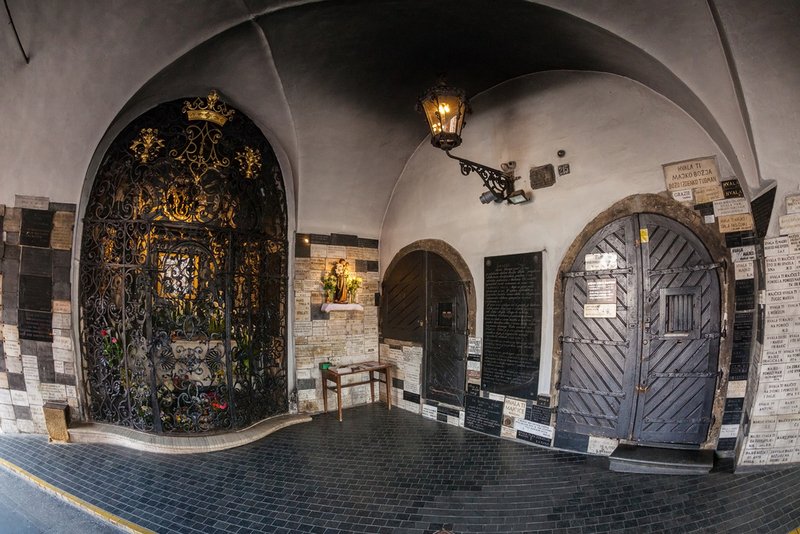
The Stone Gate is also known for its legend. According to the legend, in the 17th century, the Virgin Mary appeared in a vision to a young girl, who was praying in front of the fresco. The girl reported that the Virgin Mary had told her that the city would be saved from a great fire if the people would light candles in her honor in front of the fresco. And as the legend goes, the city was indeed saved from a great fire, and since then, the tradition of lighting candles in front of the fresco has continued.
The Stone Gate is open to visitors all year round, though the timings may vary depending on the season. The admission fee is relatively low and visitors can climb the stairs to the upper floor to see the fresco and have a view of the city from the terrace.
Mimara
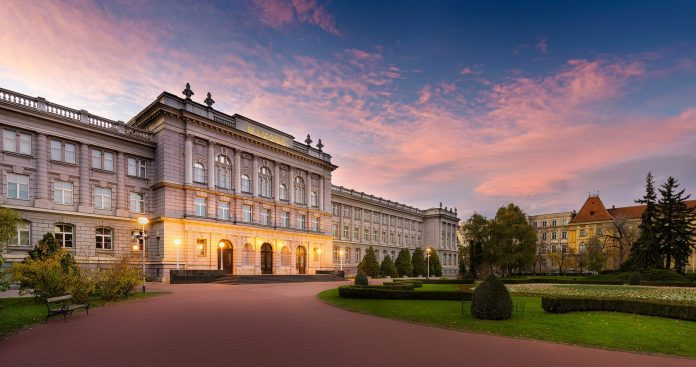
The Mimara Museum (officially: the Mimara Museum of the Arts) is an art museum located in Zagreb, Croatia. It was founded by Wiltrud and Ante Topić Mimara, a wealthy couple who donated their extensive art collection to the city of Zagreb. The museum is located in a beautiful 19th-century neo-Renaissance palace and is home to over 3,500 works of art from various periods and cultures.
The collection of the Mimara Museum is quite diverse and includes works of art from ancient Egypt, Greece and Rome, as well as European art from the Middle Ages to the 20th century. The museum also has an important collection of Asian art, including Chinese porcelain and Japanese prints. The collection also includes works by famous artists such as Rembrandt, Rubens, Monet, Degas and many others.
One of the most famous works in the collection is the “Crucifixion” by the Italian Renaissance artist, Antonello da Messina. This painting is considered one of the most important works of art in Croatia, and it is on permanent display at the museum.
The Mimara Museum is open to visitors all year round, though the timings may vary depending on the season. The admission fee is relatively low and the museum is accessible for people with disabilities. The museum also offers guided tours in several languages, and audio guides are available in Croatian, English, German and French.
Museum of Broken Relationships

The Museum of Broken Relationships is a unique museum located in Zagreb, Croatia. It was founded by artist Olinka Vištica and artist and psychotherapist Dražen Grubišić in 2010. The museum is dedicated to the theme of failed relationships and the emotions that come with them. It features a collection of personal objects and stories donated by people from all over the world who have gone through a break-up.
The museum is a non-profit organization and relies on donations from individuals and institutions. The collection includes a wide range of objects, from everyday items such as a toothbrush, a teddy bear, or a wedding dress to more unusual items such as a collection of love letters, a voodoo doll, or a pair of crutches. Each object is accompanied by a story that explains the significance of the object and the emotions that come with it.
The Museum of Broken Relationships is not only a place to see interesting objects, but also a place to reflect on one’s own experiences and emotions. It aims to create a space for visitors to explore the complexities of human relationships and the emotions that come with them. The museum also hosts temporary exhibitions, and events such as lectures, workshops and performances.
Botanical Garden of the Faculty of Science
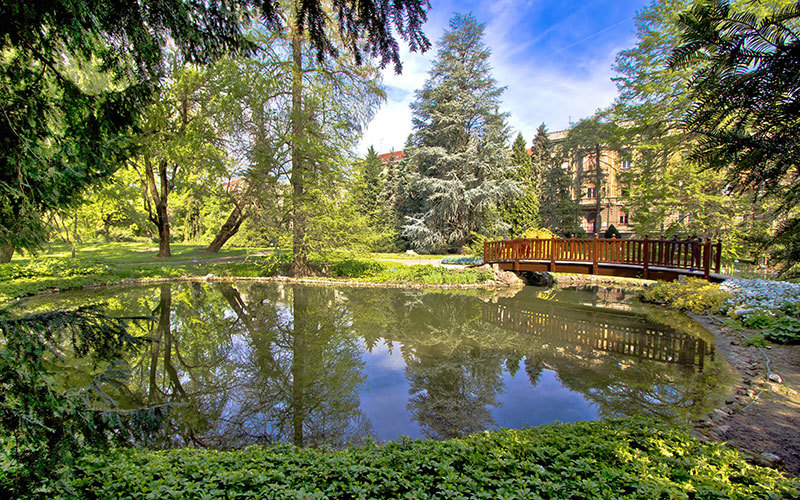
The Botanical Garden of the Faculty of Science in Zagreb is a botanical garden located in Zagreb, Croatia. It is affiliated with the Faculty of Science of the University of Zagreb and serves as a research and educational resource for the study of botany and plant biology. The garden features a wide variety of plant species from around the world, including a large collection of native Croatian plants. It is also a popular spot for visitors to the city, offering a peaceful and natural environment in which to explore the beauty and diversity of the plant world.