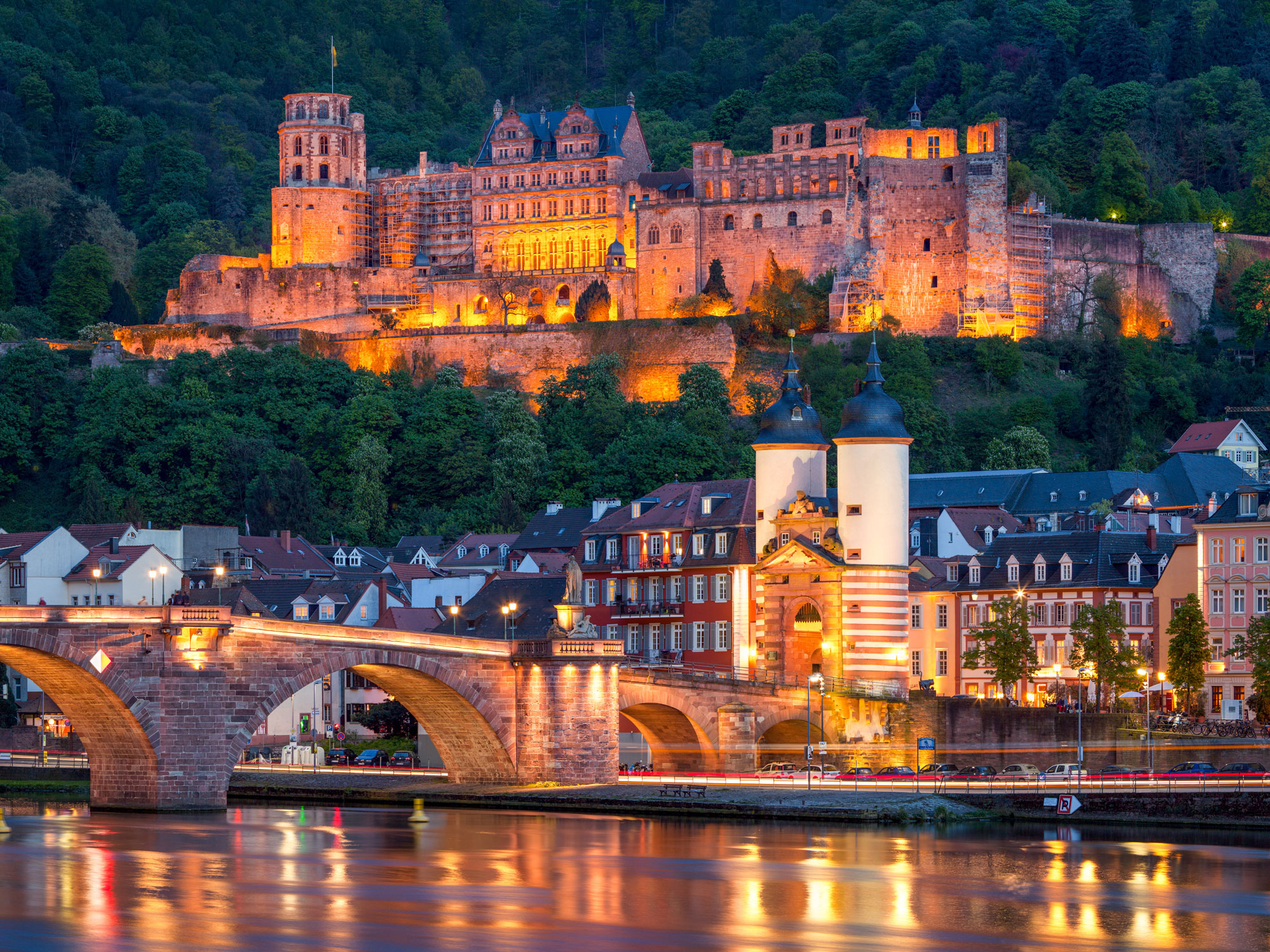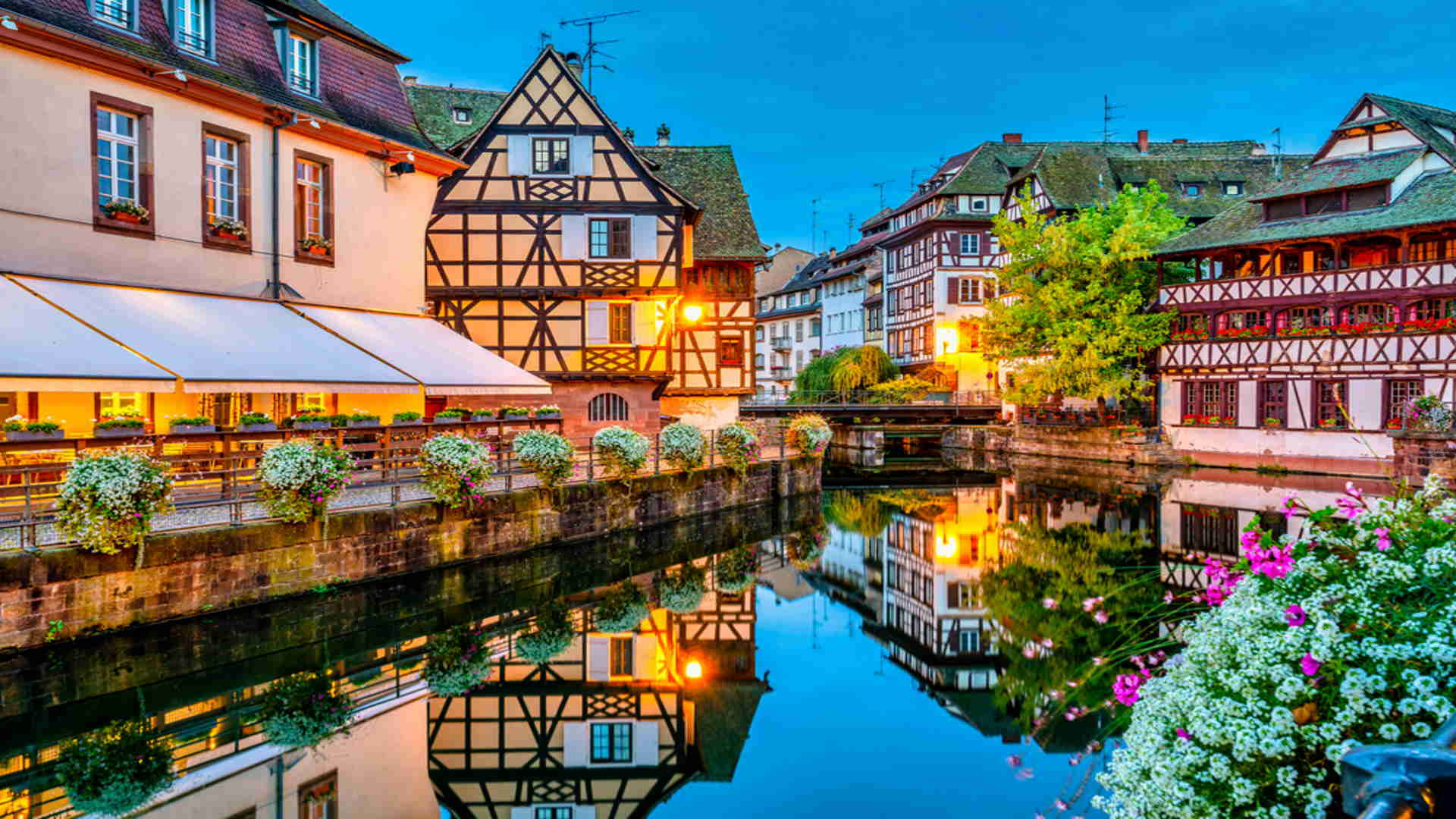
Strasbourg is a city rich in history, with roots dating back to the Roman Empire. It has played a significant role in the development of Europe, serving as a center of learning and commerce for centuries. In the Middle Ages, the city was a prosperous trading center, attracting merchants from all over Europe. Today, Strasbourg is a thriving city with a population of over 270,000 people. In addition to being the seat of the European Parliament, it is home to many other international organizations, including the Council of Europe and the European Court of Human Rights.
Culture and art are integral parts of life in Strasbourg. The city is home to several museums, including the Museum of Modern and Contemporary Art, which houses works by some of the world’s most famous artists. In addition, the city is known for its vibrant music scene, with numerous concerts and festivals taking place throughout the year. Strasbourg is also famous for its cuisine, with local specialties such as tarte flambée, a thin-crust pizza-like dish, and baeckeoffe, a slow-cooked stew made with potatoes, onions, and meat.
Strasbourg is a city of great natural beauty, with several parks and gardens, including the Parc de l’Orangerie, which is one of the largest parks in France. The city is also a popular destination for boating, with several rivers and canals running through it, including the Rhine and the Ill. Whether you are interested in history, culture, or just exploring the great outdoors, Strasbourg has something for everyone.
Cathédrale Notre Dame de Strasbourg
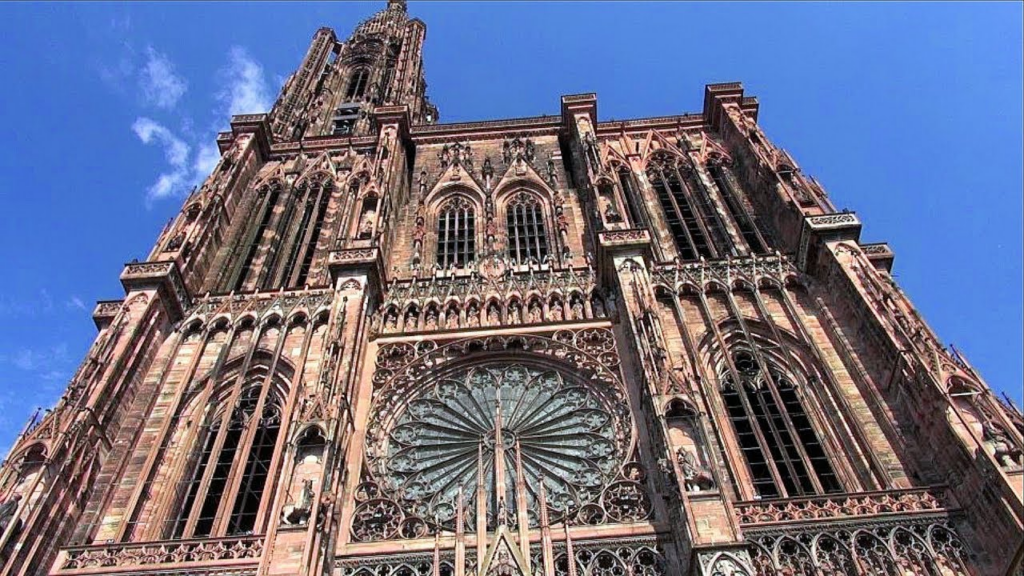
Notre-Dame Cathedral (Cathédrale Notre-Dame de Strasbourg) is a historic cathedral located in the heart of Strasbourg, France. It is considered one of the finest examples of Gothic architecture and is one of the city’s most recognizable landmarks. The cathedral was built in the 13th and 14th centuries and has undergone several renovations over the centuries. It is famous for its intricate carvings and stained glass windows, which depict scenes from the life of Christ and other religious themes.
One of the most notable features of Notre-Dame Cathedral is its astronomical clock, which dates back to the 16th century. The clock is considered one of the most complex and sophisticated of its kind and continues to fascinate visitors to this day. In addition to its historical and architectural significance, Notre-Dame Cathedral is also an important spiritual center for the people of Strasbourg, with regular Masses and other religious services held within its walls.
Petite-France
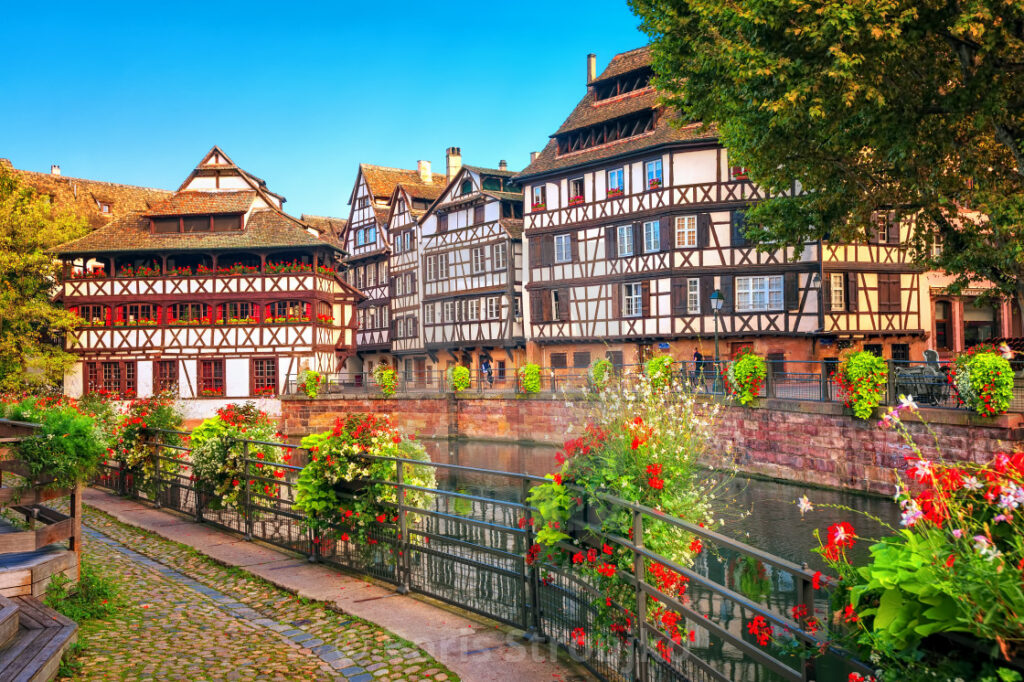
Petite France is a neighborhood in Strasbourg, France known for its picturesque half-timbered houses and narrow, winding streets. The neighborhood is located along the Ill River and was once a center of the city’s tanning and fishing industries. Today, Petite France is one of the most popular tourist destinations in Strasbourg, attracting visitors with its charming and historic atmosphere.
Petite France is famous for its well-preserved medieval architecture, with many of the houses and buildings dating back to the 16th and 17th centuries. Visitors can stroll along the narrow streets and appreciate the intricate details of the half-timbered buildings, including intricate carvings and painted facades. The neighborhood is also home to several historic watermills, which were once used to grind grain, and the St. Pierre-le-Jeune Protestant Church, one of the oldest Protestant churches in France.
In addition to its historical significance, Petite France is also known for its picturesque setting along the Ill River, with several cafes and restaurants offering outdoor seating and beautiful views of the water. Whether you are interested in history, architecture, or just seeking a charming and relaxed atmosphere, Petite France is an enjoyable destination in Strasbourg.
Palais Rohan
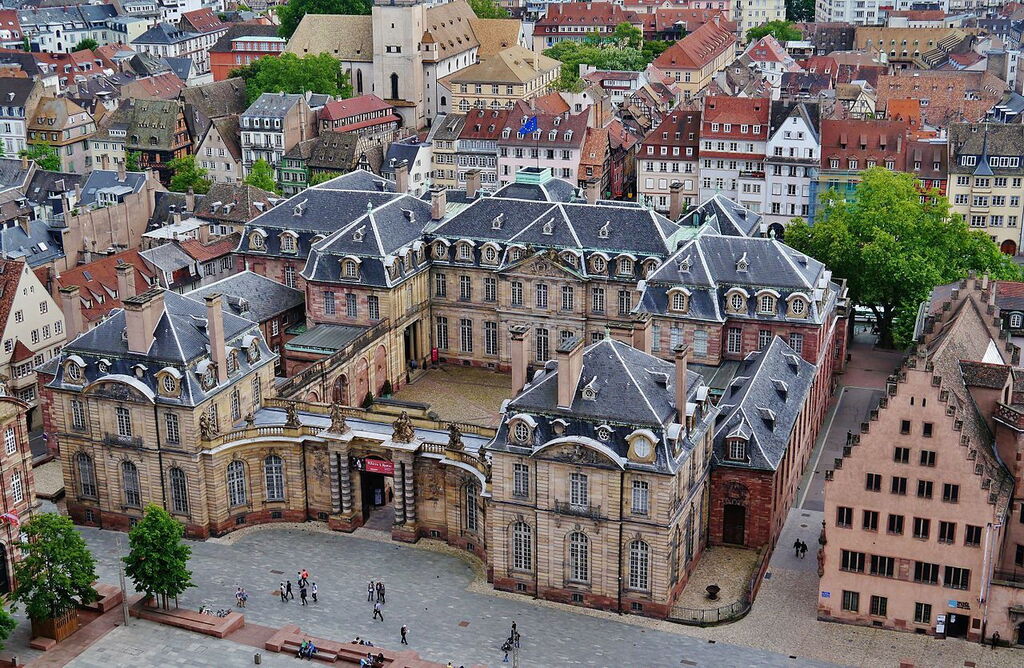
The Palais Rohan is a grand 18th-century palace located in Strasbourg, France. It was built for the Rohan family, one of the most influential and wealthy families in the region at the time, and has served various purposes over the centuries, including as a royal palace and a museum. Today, the Palais Rohan is home to several important cultural institutions, including the Museum of Decorative Arts and the Museum of Fine Arts.
The Palais Rohan is considered one of the finest examples of French baroque architecture and is known for its grand facades, elaborate interior design, and ornate details. Visitors can admire the palace’s impressive entrance hall, with its marble columns and gilded moldings, as well as its grand staircase, which is adorned with frescoes and sculptures. The palace’s state apartments are also notable, with their elaborate decor and fine furnishings.
Place Kléber
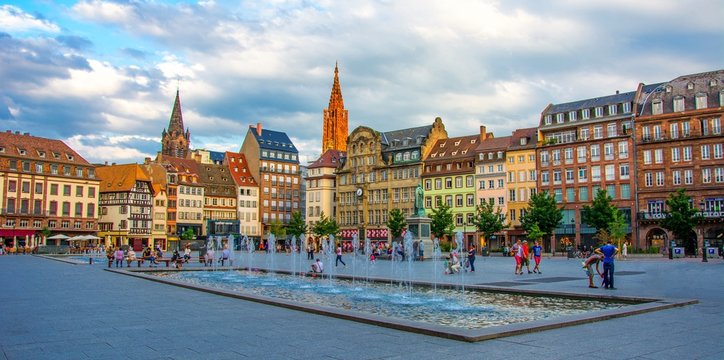
Place Kléber is a public square located in the heart of Strasbourg, France. Named after General Jean-Baptiste Kléber, a French military hero of the French Revolution, it is one of the largest and most central squares in the city. The square is surrounded by historic buildings and is a popular gathering place for both locals and visitors.
Place Kléber is located near several of Strasbourg’s most famous landmarks, including the Palais Rohan, the Notre-Dame Cathedral, and the Petite France neighborhood. The square is also home to a large statue of General Kléber, which was erected in his honor in 1827. The statue stands on a pedestal surrounded by a fountain and is a popular spot for photos and selfies.
Alsatian Museum
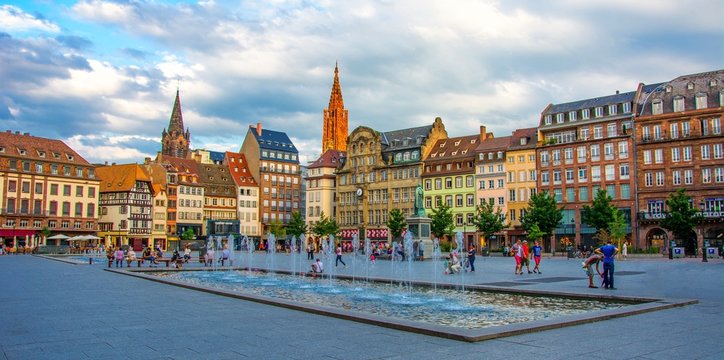
The Alsatian Museum, also known as the Musée Alsacien, is a museum located in Strasbourg, France dedicated to the culture, history, and traditions of Alsace. Alsace is a region in eastern France that has a rich cultural heritage, blending elements of French and German influences. The museum showcases the diverse aspects of Alsatian life, from its traditional costumes and textiles to its art, crafts, and folklore.
The Alsatian Museum is housed in several historic buildings in the heart of Strasbourg, including half-timbered houses and townhouses from the 16th and 17th centuries. The museum’s collections include over 20,000 objects, including furniture, ceramics, paintings, and sculptures, as well as traditional crafts and tools used in everyday life. Visitors can learn about the region’s rich cultural heritage, including its traditions, festivals, and customs, through interactive exhibits and displays.
Ponts Couverts de Strasbourg
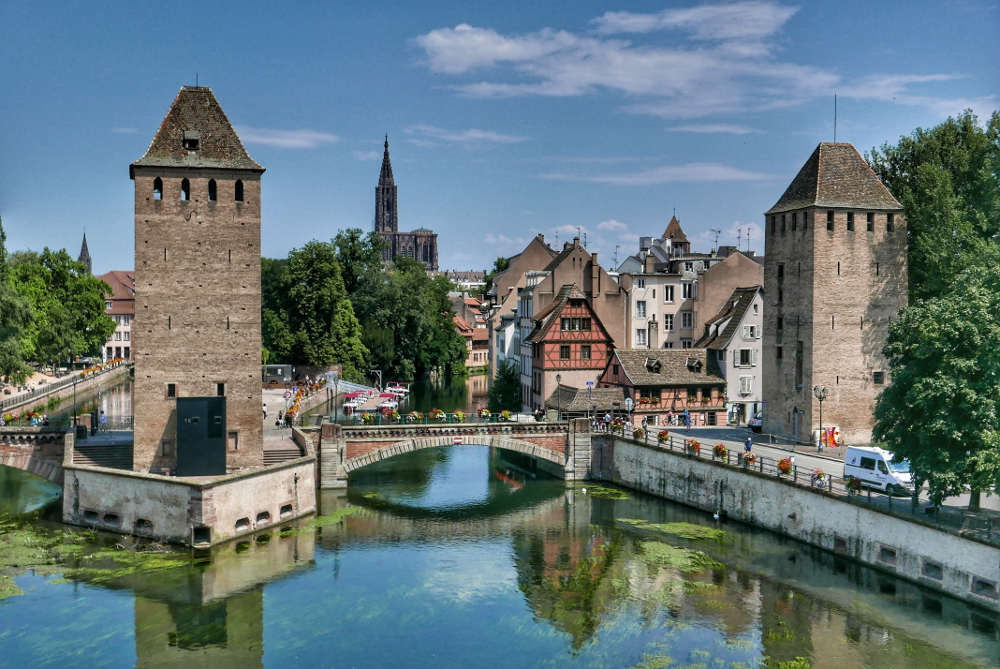
he Ponts Couverts is a group of three bridges and several towers in the center of Strasbourg, France. The bridges are covered and connect the Grande Ile (Great Island), the historic center of Strasbourg, to the right bank of the Ill River. The Ponts Couverts, which date back to the 14th century, are considered one of the most important medieval monuments in the city and are one of its most distinctive landmarks.
The Ponts Couverts are characterized by their large stone arches and covered walkways, which provide protection from the elements and offer stunning views of the river and surrounding city. The bridges are also surrounded by several towers, including the Tour de la Grosse Horloge, which once served as a prison and now houses a museum. Visitors can cross the bridges and explore the towers, taking in the breathtaking views of Strasbourg and the surrounding countryside.
Parc de l’Orangerie
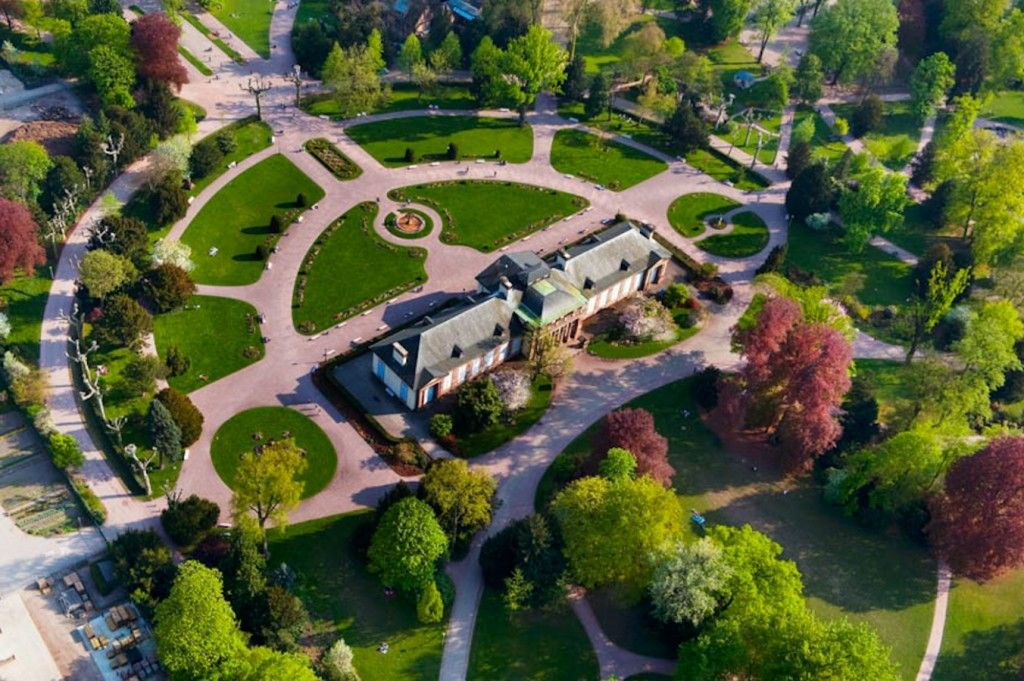
Parc de l’Orangerie is a public park located in the center of Strasbourg, France. The park is situated on the western edge of the Grande Ile (Great Island), the historic center of Strasbourg, and is one of the city’s largest and most popular green spaces.
The park covers an area of approximately 40 hectares and is characterized by its large open lawns, winding paths, and several lakes and ponds. Visitors can enjoy a leisurely walk or picnic in the park, or take part in a variety of recreational activities, such as fishing, boating, or simply relaxing by the water’s edge. The park is also home to a wide variety of wildlife, including ducks, swans, and other waterfowl, as well as several species of trees and shrubs, making it a haven for nature lovers.
In addition to its natural beauty, the Parc de l’Orangerie is also home to several historic landmarks and cultural attractions. Visitors can explore the Palais des Congrès et des Expositions, a convention center located within the park, or visit the Musée d’Art Moderne et Contemporain, a museum of modern and contemporary art located nearby.
Église Saint-Pierre-le-Jeune
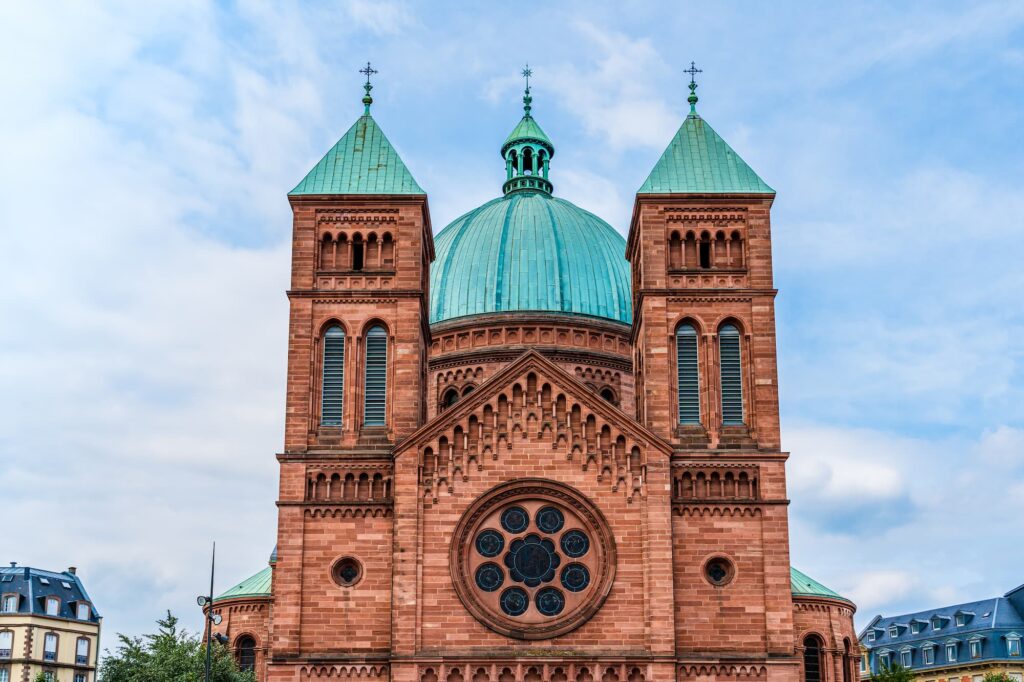
St. Peter’s Church is located in the heart of the city of Strasbourg, in the Alsace region of France. It is one of the oldest churches in the city, with a history that dates back over a thousand years. The original church was built in the Romanesque style in the 12th century, and over the centuries it has undergone several renovations and expansions. Despite these changes, the church has managed to maintain its original character and charm.
One of the most notable features of St. Peter’s Church is its beautiful stained-glass windows. These windows date back to the 14th and 15th centuries and depict scenes from the life of Christ and various saints. Another notable feature is the church’s elaborate carved stone portal, which was added in the 13th century. This portal is considered to be one of the finest examples of Romanesque art in the region.
Place du Marché-aux-Cochons-de-Lait
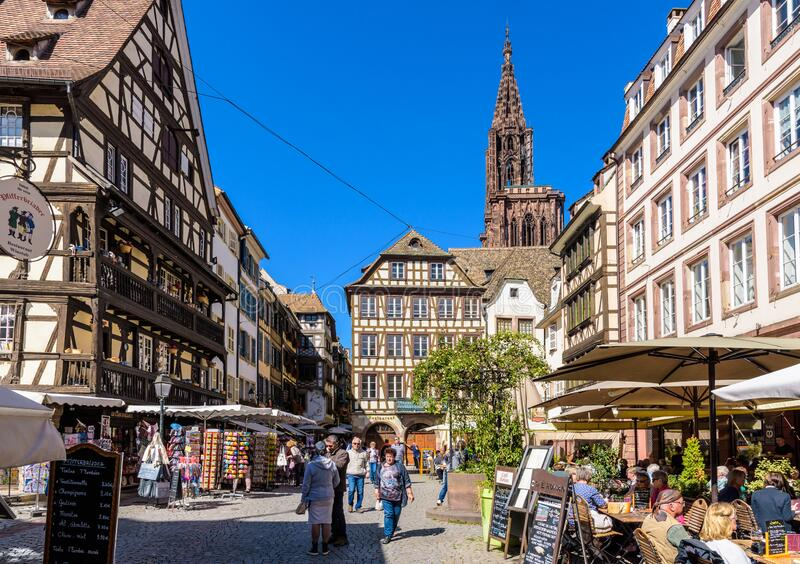
Place du Marché-aux-Cochons-de-Lait is a square located in the city of Strasbourg, France. The square gets its name from the “Market of Milk Pigs” which was held there in the past. It is located in the heart of the city’s old town, near the famous cathedral and other historic landmarks.
The square is surrounded by half-timbered buildings from the medieval era and is a popular spot for tourists and locals alike. It is a lively area, filled with cafes, restaurants and shops selling local products and souvenirs. The square is also known for its weekly market, which takes place every Saturday, where visitors can find a variety of fresh produce, cheese, meats and other local specialties.
Place du Marché-aux-Cochons-de-Lait is a great place to start exploring the city of Strasbourg and its rich history. Whether you’re interested in trying the local cuisine, shopping for souvenirs or simply enjoying the atmosphere, this square has something for everyone.
Quartier Krutenau
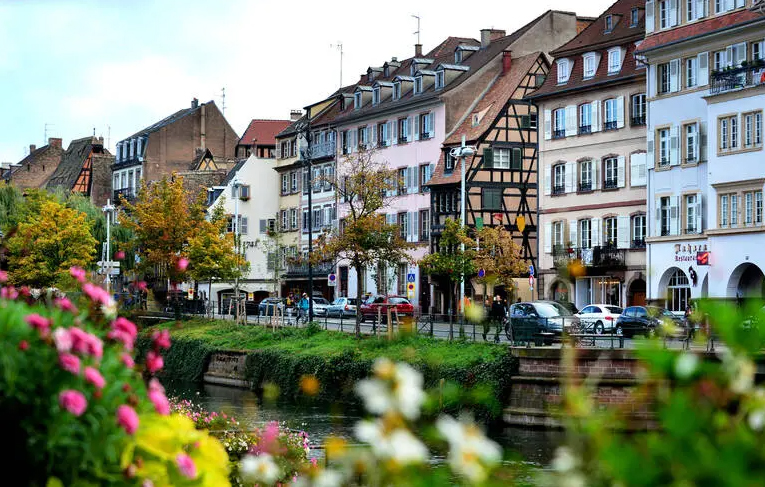
Krutenau is a neighborhood located in the city of Strasbourg, France. It is located in the heart of the city’s old town and is known for its narrow, winding streets, half-timbered buildings and charming squares. Krutenau is one of the oldest neighborhoods in Strasbourg and has a rich history dating back to the Middle Ages.
Today, Krutenau is a popular destination for tourists, who come to explore its picturesque streets, visit its historic landmarks and sample its excellent cuisine. The neighborhood is home to a variety of cafes, restaurants, and bars, which serve traditional Alsatian dishes, local beers and wines. It is also home to several museums, including the Museum of Modern and Contemporary Art, which showcases works by artists from the region.
Palais de l’Europe
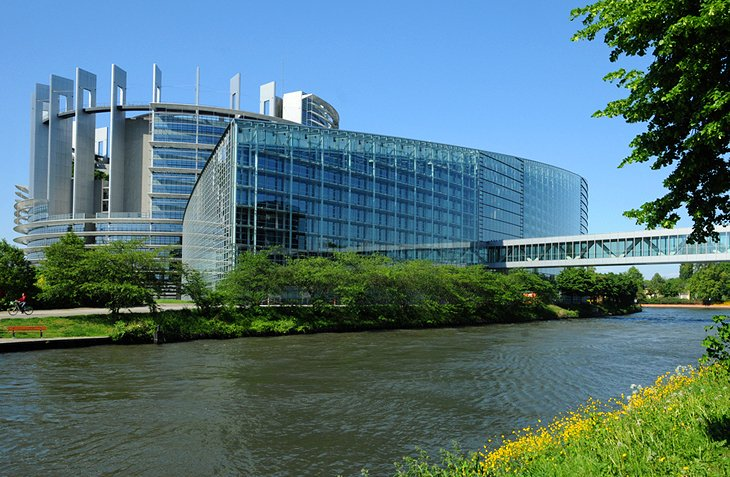
The Palais de l’Europe is a building located in the city of Strasbourg, France. It is the home of the Council of Europe, which is an international organization dedicated to promoting human rights, democracy and the rule of law across Europe. The Council of Europe was founded in 1949 and has its headquarters in Strasbourg, where it operates one of the largest international parliamentary assemblies in the world.
It is a modern building that was built in the 1970s and is located in the heart of the city’s European Quarter, near other important European institutions such as the European Parliament and the European Court of Human Rights. The building is characterized by its distinctive, curved facade and its large central dome, which is a prominent feature of the city’s skyline.
Inside, the Palais de l’Europe is equipped with state-of-the-art technology and facilities, including plenary halls, meeting rooms and offices, which are used by the Council of Europe’s member states, parliamentary assembly and secretariat. The building is open to visitors, who can learn more about the work of the Council of Europe and its role in promoting human rights, democracy and the rule of law across Europe.
Place Gutenberg
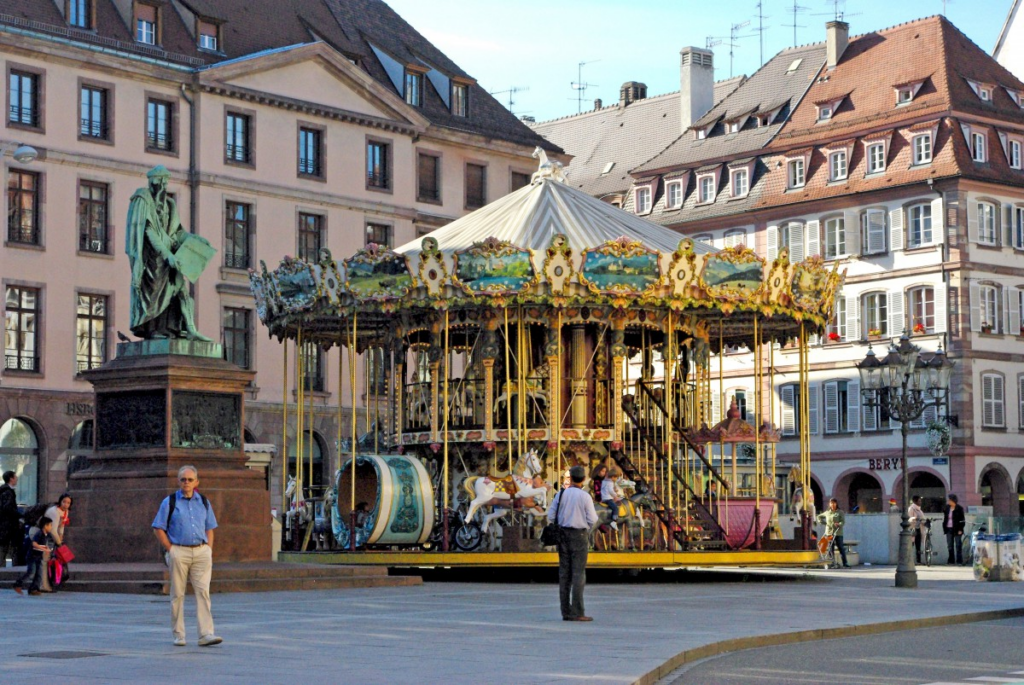
Place Gutenberg is a square located in the city of Strasbourg, France. It is named after Johannes Gutenberg, the inventor of the printing press, who was born in Mainz, Germany (near Strasbourg). The square is located in the heart of the city’s old town and is surrounded by historic buildings and landmarks.
Place Gutenberg is a lively and bustling area, and is a popular spot for locals and tourists alike. It is home to a variety of cafes, restaurants and shops, which offer a range of local products and souvenirs. The square is also the site of several events and festivals throughout the year, such as the famous Strasbourg Christmas market, which attracts visitors from all over the world.
In addition to its lively atmosphere, Place Gutenberg is also an important historical and cultural site. It is located near several other landmarks, such as the famous Strasbourg Cathedral and the Palais Rohan, and is a great starting point for exploring the city’s rich history and heritage. Whether you’re interested in shopping, dining, or simply soaking up the atmosphere, Place Gutenberg is a must-visit destination in Strasbourg.